Lưu ý: Bản dịch của mục này hiện đang được kiểm tra chất lượng, vì vậy một số nội dung tạm thời chỉ hiển thị bằng tiếng Anh.
Mục từ này chưa được dịch sang ngôn ngữ của bạn, vì vậy nội dung gốc được hiển thị bên dưới.
dreaming
/ˈdɹiː.mɪŋ/
The word carries a dual energy: one rooted in the subconscious biology of sleep, and another rooted in conscious aspiration or delusion.
When used as an aspiration, it suggests a gap between current reality and a desired future. It feels softer and more hopeful than "planning" or "strategizing," often implying a sense of longing or yearning.
In its adjective form, it describes a state of detachment from the physical world. This can be positive (ethereal and wonderful) or negative (naive and disconnected from reality), depending on whether the context is romantic or critical.
💬Trò chuyện
Still dreaming of that new gaming rig, Leo?
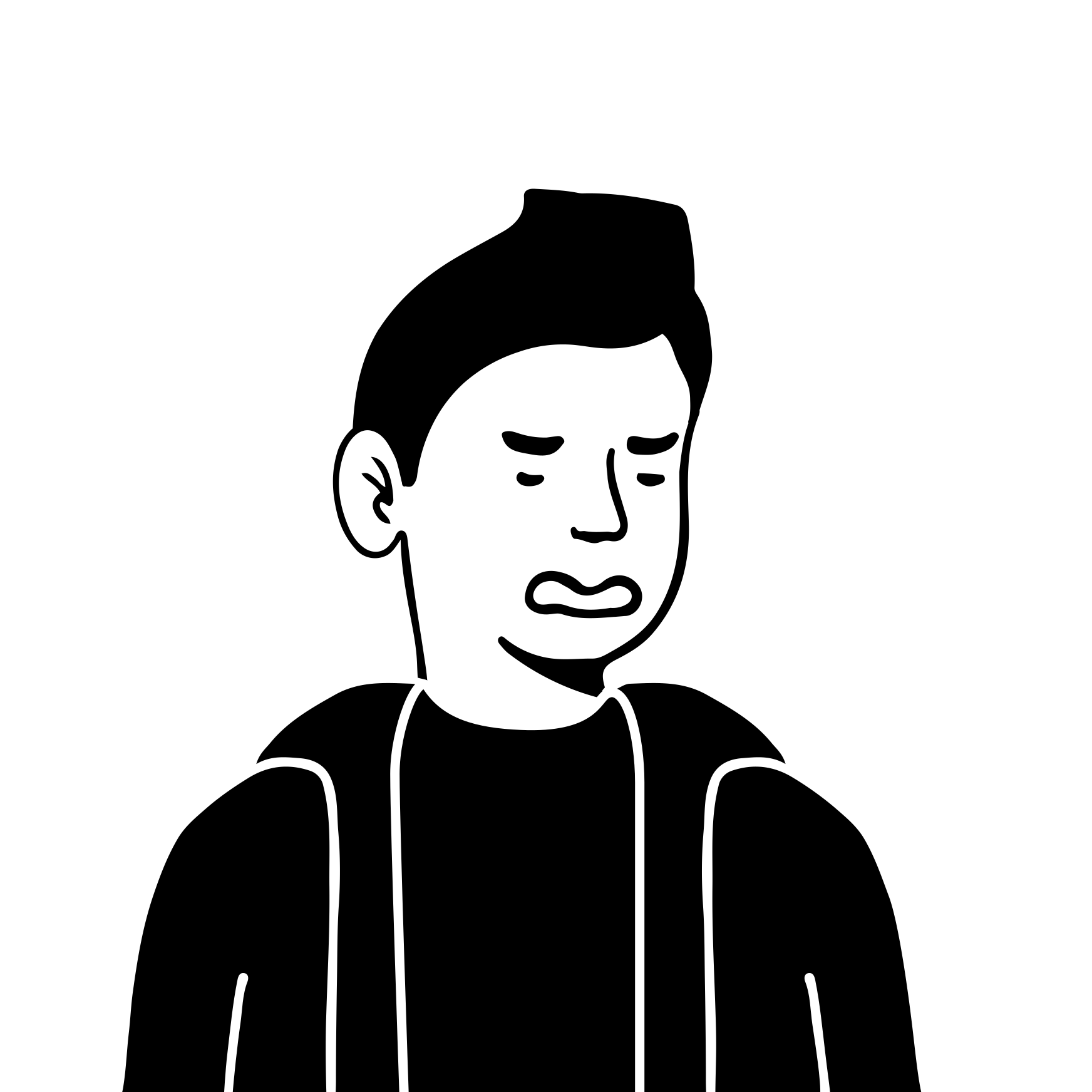

Nah, just dreaming of a world without homework. More realistic.
Ý nghĩa
Ví dụ
I was dreaming about flying over the city when my alarm went off.
Stop dreaming and start working if you actually want to get promoted.
She spent the whole afternoon dreaming of a quiet cottage in the countryside.
I can't believe I'm actually here; it feels like a dreaming state of mind.
He was dreaming of winning the championship for years.
He was dreaming of winning the championship for years.
The child lay still, dreaming of dragons and magic swords.
You are dreaming if you think this project will be finished by tomorrow.
Cụm từ kết hợp
lucid dreaming
The state of being aware that you are dreaming while you are dreaming, and sometimes being able to control the dream.
day dreaming
A state of being lost in thought, often about pleasant things, while awake.
dreaming mind
The part of the brain or consciousness that is active during sleep and generates dreams.
dreaming state
The condition or phase of being asleep and experiencing dreams.
Researchers have identified specific brainwave patterns associated with the dreaming state.
Thành ngữ & Tục ngữ
Từ nguyên
The word 'dreaming' is the present participle of the verb 'to dream'. The word 'dream' itself has Old English origins, stemming from 'drøm', meaning 'joy, merriment; a dream, vision'. It is related to Old Norse 'draumr' and Gothic 'draumeis'. The sense of 'a series of thoughts, images, and sensations occurring in a mind during sleep' developed in Old English. The modern usage, referring to an aspiration or ambition, emerged in the late 14th century.