man
[mɛn]
এই শব্দটি একটি নির্দিষ্ট জৈবিক পরিচয় এবং একটি সার্বজনীন সমষ্টিগত পরিচয়ের মধ্যে সেতুবন্ধন হিসেবে কাজ করে। যখন এটি একজন প্রাপ্তবয়স্ক পুরুষকে বর্ণনা করতে ব্যবহৃত হয়, তখন এটি লিঙ্গ এবং বয়স নির্দেশকারী একটি মূর্ত বিশেষ্য হিসেবে কাজ করে। অন্যদিকে, যখন এটি পুরো প্রজাতিকে বোঝায়, তখন এটি একটি বিমূর্ত বিশেষ্যে পরিণত হয় এবং প্রায়শই মানুষের সামগ্রিক অভিজ্ঞতাকে উপস্থাপন করতে কোনো আর্টিকেল ছাড়াই ব্যবহৃত হয়।
একটি ক্রিয়া হিসেবে ব্যবহৃত হলে, শব্দটির অর্থ পরিচয় থেকে উপযোগিতার দিকে পরিবর্তিত হয়। এটি কোনো নির্দিষ্ট কাজ সম্পাদনের জন্য একটি কার্যকরী ভূমিকা পালন করাকে বোঝায়, যেখানে কাজটি সম্পাদনকারী ব্যক্তির লিঙ্গ এখানে মুখ্য নয়। বিশেষ্য থেকে ক্রিয়ায় এই রূপান্তরটি পুরুষত্ব এবং শ্রম, প্রতিরক্ষা ও পরিচালনগত তত্ত্বাবধানের কর্তব্যের মধ্যে ঐতিহাসিক সম্পর্ককে ফুটিয়ে তোলে।
💬Casual Conversation
Do you think the man in the portrait is a real person?
তুমি কি মনে করো প্রতিকৃতির লোকটা কোনো বাস্তব মানুষ?

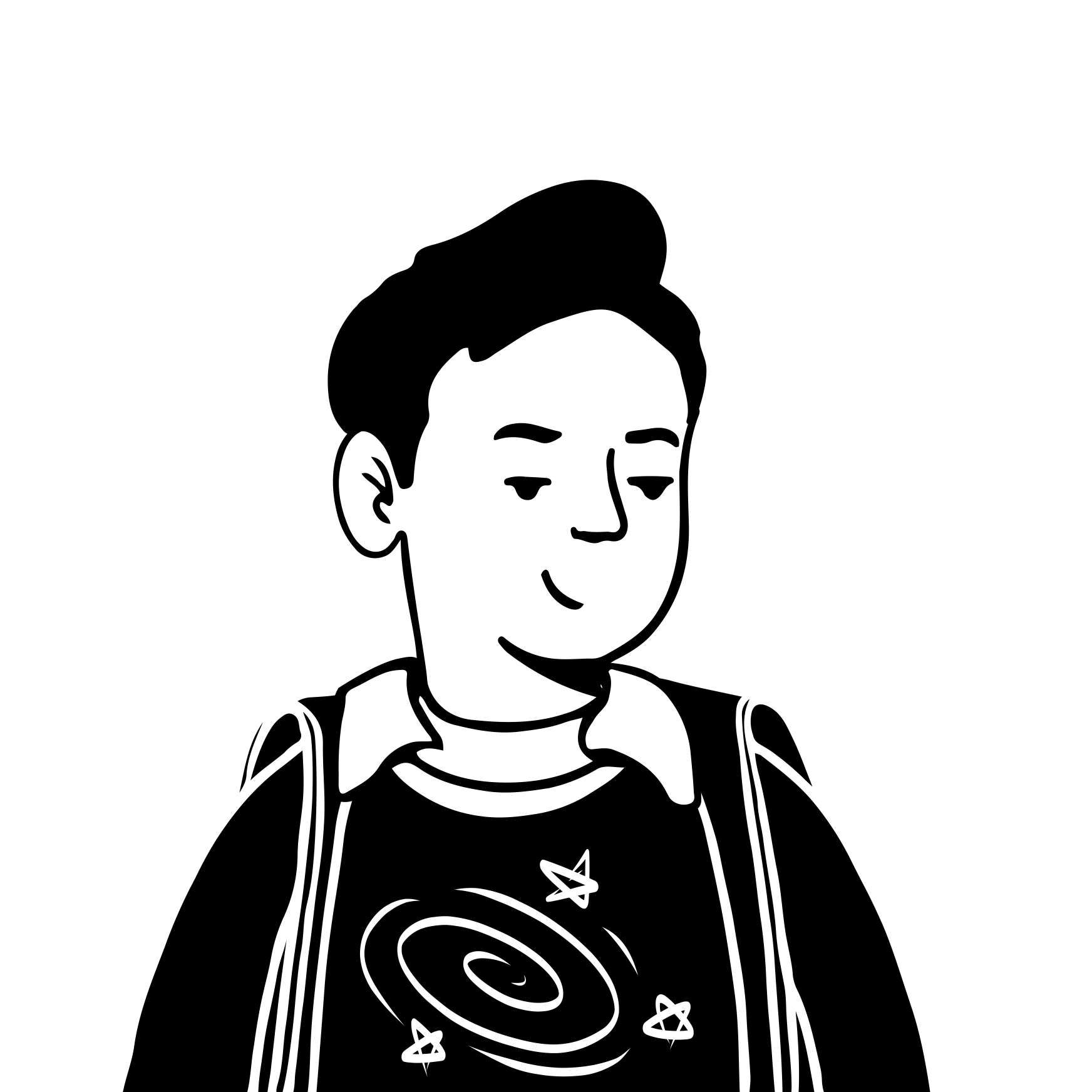
Probably, though he looks like a stylized version of man as a whole.
হয়তো, তবে তাকে পুরো মানবজাতির একটি শৈল্পিক রূপ বলে মনে হচ্ছে।
Meanings
একজন প্রাপ্তবয়স্ক পুরুষ মানুষ
The man walked his dog through the park.
লোকটি তার কুকুরটিকে নিয়ে পার্কের মধ্য দিয়ে হাঁটছিল।
লিঙ্গ নির্বিশেষে যেকোনো মানবজাতি
The first man to step on the moon changed history.
চাঁদে পা রাখা প্রথম মানুষটি ইতিহাস বদলে দিয়েছিলেন।
এমন একজন ব্যক্তি যাকে সাহসী, শক্তিশালী বা নির্ভরযোগ্য মনে করা হয়
He proved himself to be a real man during the crisis.
সংকটের সময়ে তিনি নিজেকে একজন প্রকৃত পুরুষ হিসেবে প্রমাণ করেছেন।
বোর্ড গেমে ব্যবহৃত ছোট কোনো বস্তু বা টোকেন
Move your man to the third square on the board.
বোর্ডের তৃতীয় ঘরে তোমার গুটিটি সরাও।
কোনো স্থান বা যন্ত্রপাতিতে প্রয়োজনীয় কর্মী সরবরাহ করা
They need more volunteers to man the registration desk.
নিবন্ধন ডেস্কে কাজ করার জন্য তাদের আরও স্বেচ্ছাসেবকের প্রয়োজন।
জাহাজ বা বিমানের ক্রু হিসেবে দায়িত্ব পালন করা
The sailors worked quickly to man the battle stations.
নাবিকরা যুদ্ধের স্টেশনগুলোতে কর্মী মোতায়েন করতে দ্রুত কাজ করছিল।
Examples
The old man sat on the bench for hours.
বৃদ্ধ লোকটি ঘণ্টার পর ঘণ্টা বেঞ্চটিতে বসে ছিলেন।
The evolution of man is a central theme in biology.
মানুষের বিবর্তন জীববিজ্ঞানের একটি কেন্দ্রীয় বিষয়।
We need more staff to man the booths at the trade show.
ট্রেড শো-র বুথগুলোতে লোক নিযুক্ত করার জন্য আমাদের আরও কর্মী প্রয়োজন।
The guards were told to man the walls until dawn.
প্রহরীদের ভোর পর্যন্ত প্রাচীর পাহারা দেওয়ার নির্দেশ দেওয়া হয়েছিল।
Collocations & Compounds
middle-aged man
মধ্যবয়সী পুরুষ
The middle-aged man looked tired.
মধ্যবয়সী লোকটিকে ক্লান্ত দেখাচ্ছিল।
family man
পারিবারিক মানুষ
He is a true family man who never misses a recital.
তিনি একজন প্রকৃত পারিবারিক মানুষ যিনি সন্তানদের কোনো অনুষ্ঠানই মিস করেন না।
common man
সাধারণ মানুষ
The politician claimed to speak for the common man.
রাজনীতিবিদ দাবি করেছিলেন যে তিনি সাধারণ মানুষের কথা বলছেন।
man of honor
সৎ বা নীতিবান ব্যক্তি
He proved himself to be a man of honor during the trial.
মামলার চলাকালীন তিনি নিজেকে একজন নীতিবান ব্যক্তি হিসেবে প্রমাণ করেছেন।
man hour
ম্যান আওয়ার বা জন-ঘণ্টা
The project will take approximately five hundred man hours to complete.
প্রজেক্টটি শেষ করতে আনুমানিক পাঁচশ ম্যান আওয়ার লাগবে।
Phrasal Verbs
man up
সাহস দেখানো বা দায়িত্ব নেওয়া
He needs to man up and admit his mistake.
তার উচিত সাহস দেখানো এবং নিজের ভুল স্বীকার করা।
Idioms & Sayings
man of his word
কথা রাখা ব্যক্তি
He said he would help, and he is a man of his word.
সে বলেছিল সে সাহায্য করবে, এবং সে তার কথা রাখে।
a man of the world
অভিজ্ঞ ব্যক্তি
After years of traveling, he became a man of the world.
বছরের পর বছর ভ্রমণের পর, সে একজন অভিজ্ঞ মানুষে পরিণত হয়েছে।
Cultural Context
মানুষের পরিমাপ: জৈবিক নমুনা থেকে দার্শনিক আদর্শThe Measure of Man: From Biological Specimen to Philosophical Ideal
Etymology
প্রাচীন ইংরেজি mann থেকে, যা প্রোটো-জার্মানিক mannuz থেকে এসেছে; এটি মূলত যে কোনো লিঙ্গের একজন মানুষকে বোঝাত।