human
/ˈhjuː.mən/
Khi đóng vai trò là một danh từ, thuật ngữ này thường mang sức nặng về mặt sinh học hoặc triết học, tách biệt đối tượng khỏi cá tính riêng lẻ để tập trung vào toàn bộ loài. Từ này thường được sử dụng trong các bối cảnh khoa học hoặc khi đối chiếu con người với động vật, robot hoặc các vị thần. Khi là một tính từ, từ này nhấn mạnh vào sự tổn thương, những khiếm khuyết và khả năng biểu lộ cảm xúc. Nó gợi mở về một trải nghiệm chung về sự mong manh và lòng trắc ẩn, xem những sai sót không phải là thất bại mà là những đặc điểm vốn có trong trải nghiệm sống tập thể.
Used as a noun to refer to individuals.
💬Trò chuyện
Did you see the new HR policy? It is totally inhuman.
Em có thấy chính sách mới của phòng nhân sự không? Thật là vô nhân đạo.

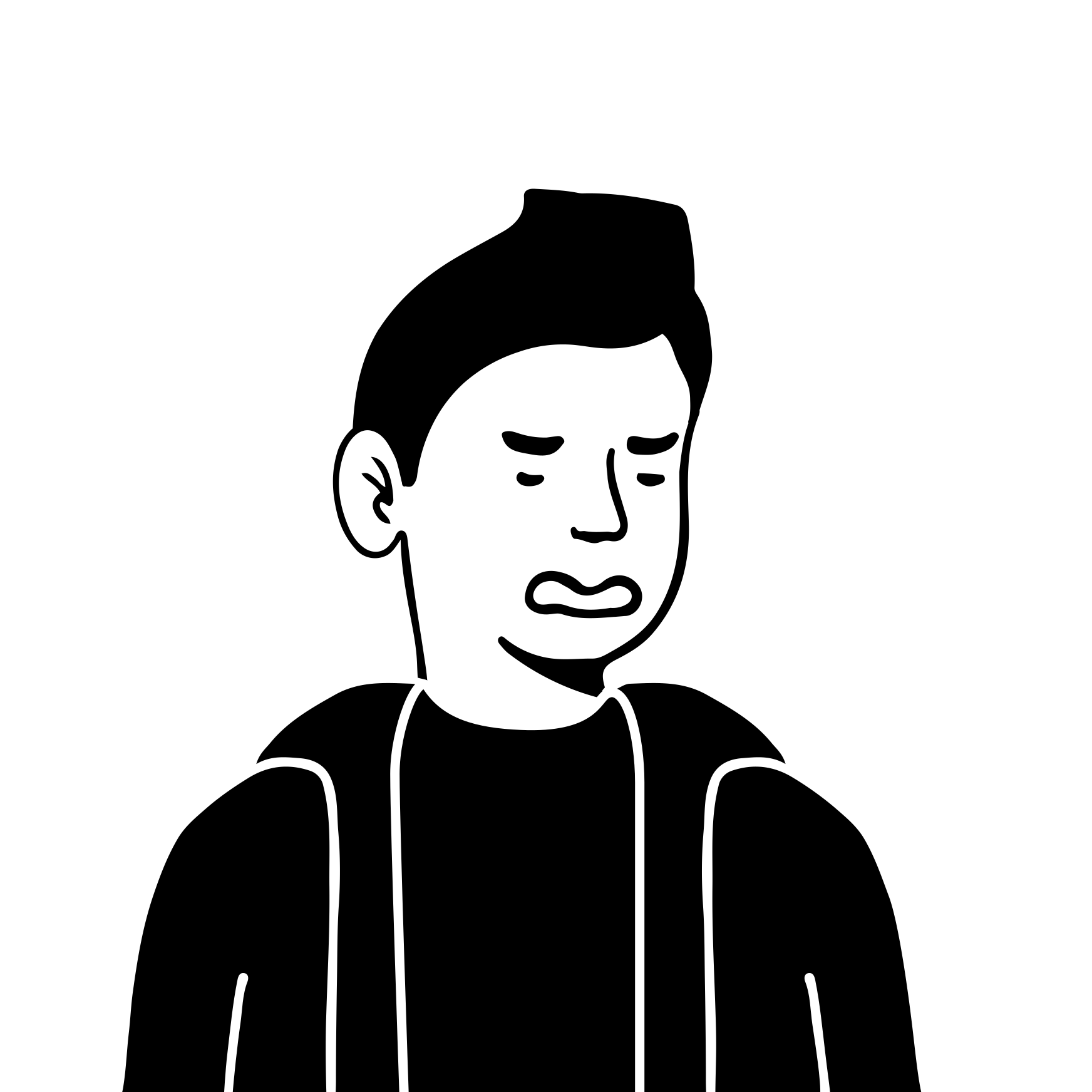
Now Karen, let's be human about this and give them a chance.
Thôi nào Karen, hãy đối xử với họ như một con người và cho họ một cơ hội đi.
Ý nghĩa
Một cá nhân; một thành viên của loài Homo sapiens
"The study explores what it truly means to be human."
Nghiên cứu này khám phá ý nghĩa thực sự của việc làm một con người.
Liên quan đến hoặc là đặc điểm của con người hoặc nhân loại
"To err is human, to forgive divine."
Sai lầm là bản tính của con người, vị tha là đặc tính của thần thánh.
Ví dụ
I just want to feel like a human again after this flight.
Tôi chỉ muốn cảm thấy mình như một con người bình thường trở lại sau chuyến bay này.
Look, we are all human, so stop pretending you are perfect!
Nghe này, chúng ta đều là con người, nên đừng giả vờ rằng bạn hoàn hảo nữa!
Is there a human actually working this desk or just a bot?
Có người thật đang trực bàn này hay chỉ là một con bot vậy?
I'm only human, I can't possibly remember every single date.
Tôi cũng chỉ là con người, không thể nào nhớ hết mọi ngày tháng được.
God, just act like a human for five minutes and listen!
Trời ạ, hãy cư xử như một con người trong năm phút và lắng nghe đi!
I believe my human element is what makes me a great manager.
Tôi tin rằng yếu tố nhân văn chính là điều khiến tôi trở thành một quản lý giỏi.
It is so refreshing to talk to a real human for once.
Thật sảng khoái khi cuối cùng cũng được trò chuyện với một con người thực sự.
Cụm từ kết hợp
human rights
quyền con người
The organization fights for basic human rights.
Tổ chức này đấu tranh cho các quyền con người cơ bản.
human nature
bản tính con người
It is just human nature to be curious.
Tò mò vốn là bản tính con người.
human error
lỗi do con người
The crash was caused by simple human error.
Vụ tai nạn xảy ra do một lỗi đơn giản từ phía con người.
human resources
nhân sự
I need to send my resume to human resources.
Tôi cần gửi sơ yếu lý lịch cho bộ phận nhân sự.
human touch
sự gần gũi giữa người với người
The service lacks a certain human touch.
Dịch vụ này thiếu đi một chút sự gần gũi giữa người với người.
Thành ngữ & Tục ngữ
too human
có những khiếm khuyết khiến người khác dễ đồng cảm
His struggle with failure makes him too human to hate.
Sự vật lộn với thất bại khiến anh ấy trở nên quá đỗi con người để có thể ghét bỏ.