long
/ˈlɔːŋ/
Khi đóng vai trò là một tính từ, từ này mô tả một kích thước có thể là về không gian hoặc thời gian, khiến nó trở thành một trong những từ mô tả quy mô linh hoạt nhất trong tiếng Anh. Nó thường mang tính chủ quan; chẳng hạn, một sự chờ đợi dài sẽ mang lại cảm giác khác nhau đối với một người đang buồn chán so với một người đang mong chờ một phần thưởng.
Khi là một động từ, từ này chuyển từ việc mô tả quy mô sang mô tả sự mong mỏi. Sự chuyển đổi từ đo lường sang cảm xúc này nắm bắt được cảm giác về một khoảng cách — khoảng cách giữa nơi một người đang đứng và nơi họ khao khát được đến. Mối liên hệ về ngữ nghĩa này gợi ý rằng sự khao khát, về bản chất, là một khoảng cách tâm lý mà trái tim luôn mong muốn được khỏa lấp.
💬Trò chuyện
I can't do another meeting today. I'm actually dying.
Tôi không thể họp thêm buổi nào nữa hôm nay. Tôi sắp kiệt sức rồi.

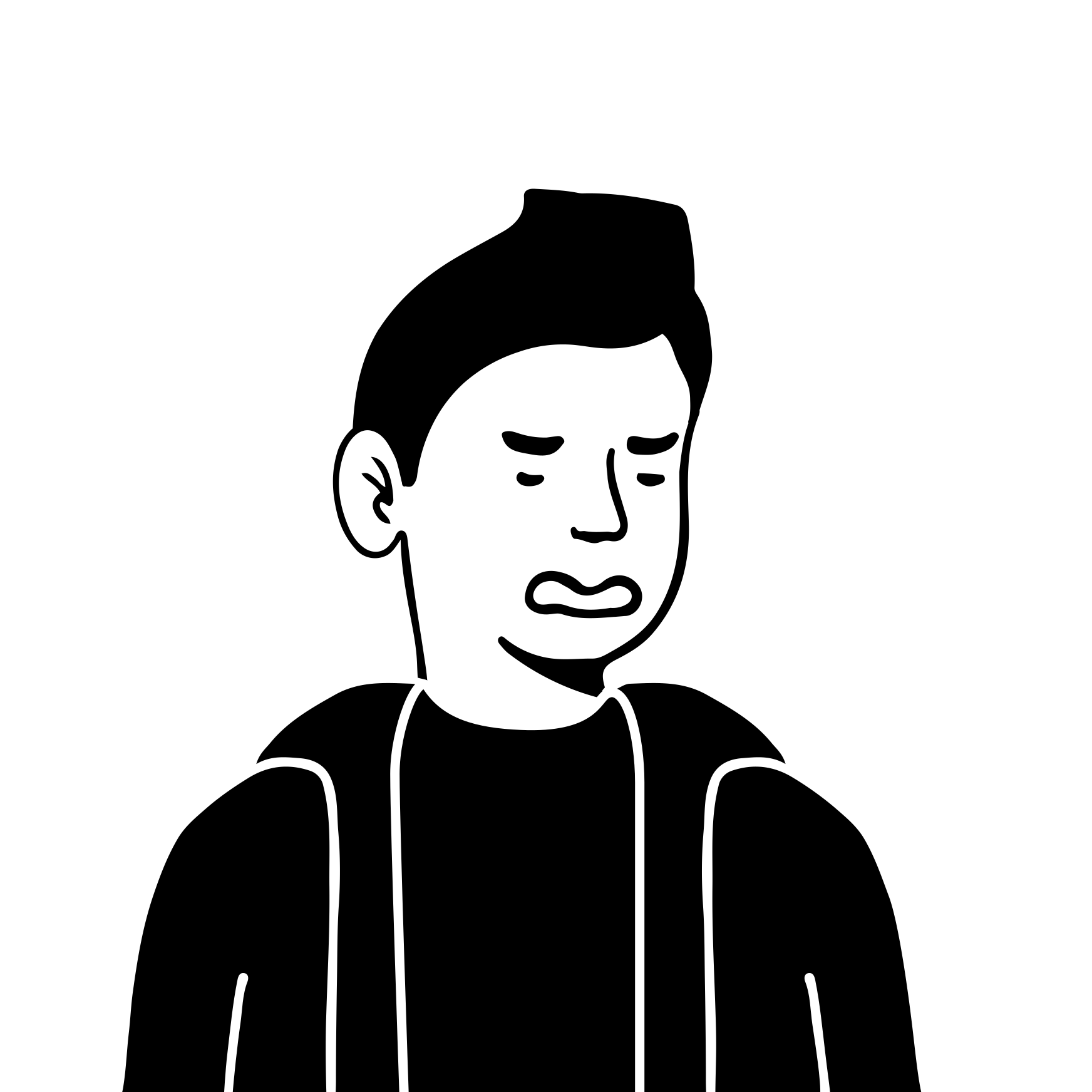
Just a bit more, Sarah! I've been longing for this synergy session all week.
Cố thêm chút nữa thôi Sarah! Cả tuần nay tôi đã khao khát buổi họp hiệp lực này rồi.
Ý nghĩa
Có khoảng cách lớn từ đầu này đến đầu kia
The long road stretched across the desert.
Con đường dài trải dài khắp sa mạc.
Kéo dài trong một khoảng thời gian lớn
It was a long movie that lasted over three hours.
Đó là một bộ phim dài kéo dài hơn ba tiếng đồng hồ.
Có mong muốn hoặc khao khát mãnh liệt điều gì đó
She longed for the warmth of her childhood home.
Cô ấy khao khát hơi ấm từ ngôi nhà thời thơ ấu của mình.
Trong một thời gian dài hoặc một khoảng cách lớn
They didn't stay long after the ceremony ended.
Họ không ở lại lâu sau khi buổi lễ kết thúc.
Ví dụ
The queue for the concert was incredibly long.
Hàng đợi chờ xem buổi hòa nhạc dài một cách khó tin.
I have longed for a vacation in the mountains.
Tôi đã luôn khao khát một kỳ nghỉ ở vùng núi.
It has been a long time since we last spoke.
Đã một thời gian dài kể từ lần cuối chúng ta trò chuyện.
Cụm từ kết hợp
long distance
khoảng cách xa
They have been in a long distance relationship for three years.
Họ đã trong một mối quan hệ yêu xa suốt ba năm.
long term
dài hạn
We need to consider the long term effects of this policy.
Chúng ta cần xem xét những tác động dài hạn của chính sách này.
long haul
quá trình gian nan
It was a long haul, but we finally finished the project.
Đó là một hành trình gian nan, nhưng cuối cùng chúng tôi cũng hoàn thành dự án.
long wait
chờ đợi lâu
After a long wait, the doctor finally called my name.
Sau một thời gian chờ đợi lâu, bác sĩ cuối cùng cũng gọi tên tôi.
long shot
ít khả năng thành công
Winning the lottery is a long shot.
Việc trúng số là một điều khó có thể xảy ra.
Cụm động từ
long for
khao khát
He longed for the days of his youth.
Anh ấy khao khát những ngày thời tuổi trẻ.
Thành ngữ & Tục ngữ
long shot
việc khó thành công
Winning the lottery is a long shot.
Việc trúng số là một điều khó có thể xảy ra.
in the long run
về lâu về dài
It seems expensive now, but it saves money in the long run.
Bây giờ có vẻ đắt, nhưng về lâu về dài nó sẽ giúp tiết kiệm tiền.