Note: The translation for this entry is currently under quality review. Some content is temporarily displayed in English only.
rude
In its most common modern usage, the word describes a social failure—a breach of etiquette that feels abrasive or dismissive. It carries a negative charge, suggesting a lack of respect for others' feelings or boundaries. Unlike "blunt," which is about directness, "rude" implies an intentional or careless disregard for politeness. In a secondary, more archaic or literary sense, the word shifts from social behavior to physical texture. Here, it describes something stripped of refinement or luxury. It evokes an image of raw materials and basic functionality, where 'roughness' is a matter of construction rather than character.
💬Conversación Casual
Chloe's pressed because I ghosted her call. So rude of her to expect me to pick up mid-match.

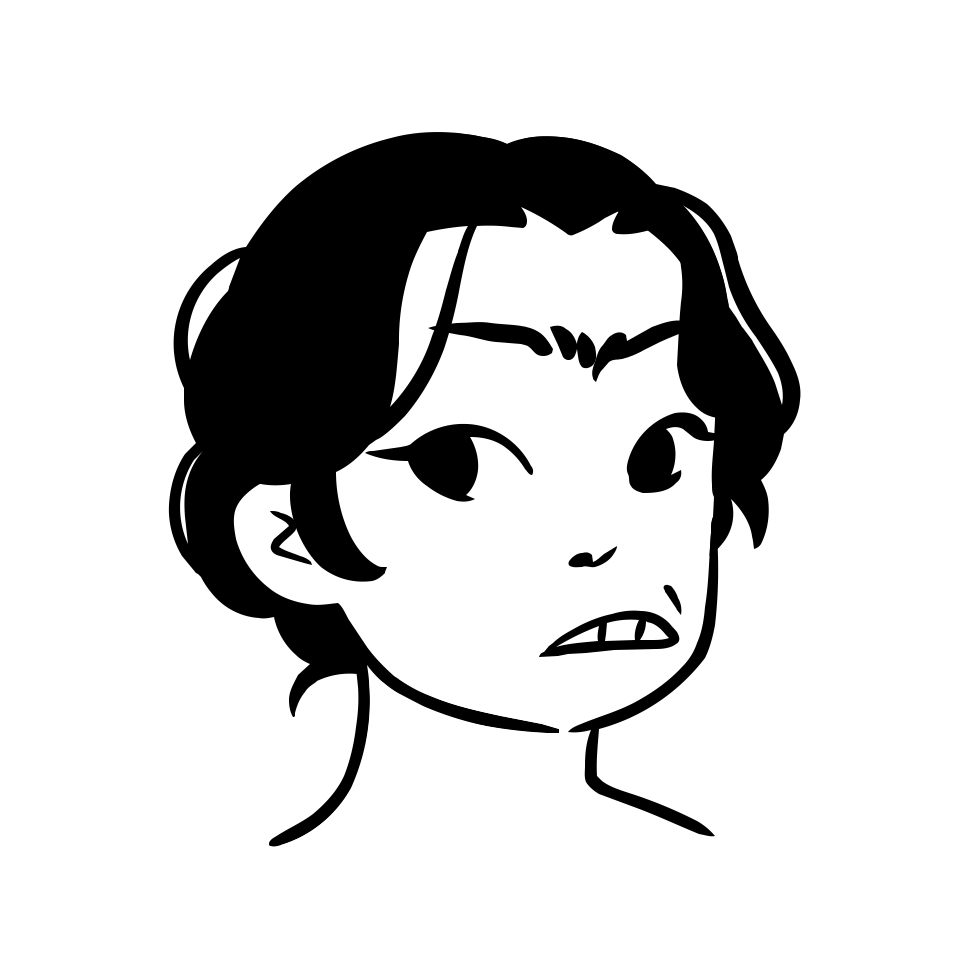
bet. just ignore it and grind these ranks.
Meanings
Lack of manners or courtesy; offensively impolite.
"It is rude to interrupt someone while they are speaking."
Roughly made; primitive or unsophisticated in design.
"The settlers built a rude shelter from branches and mud."