Nota: A tradução desta entrada está atualmente em revisão de qualidade, portanto parte do conteúdo é exibida temporariamente apenas em inglês.
Este verbete ainda não foi traduzido para o seu idioma, portanto o original é exibido abaixo.
levels
/ˈlɛvəlz/
The word centers on the concept of flatness, balance, and hierarchy. Whether physical (a flat surface) or abstract (a stage in a game), it implies a point of stability or a specific rank within a system.
In its noun form, there is a strong association with measurement and quantification. It describes not just a state, but a position on a spectrum, often used in technical, scientific, or gaming contexts to track progress or intensity.
As a verb, the word carries a duality of creation and destruction. To "level" can be a constructive act of preparation (making ground flat for building) or a violent act of erasure (razing a city). This shift from "balancing" to "flattening via force" is a critical distinction in usage.
Used to count distinct stages in a video game, specific heights on a scale (like water levels), or various degrees of intensity (like noise levels).
💬Casual Conversation
My new token is hitting levels we've never seen before. Absolute moon mission.
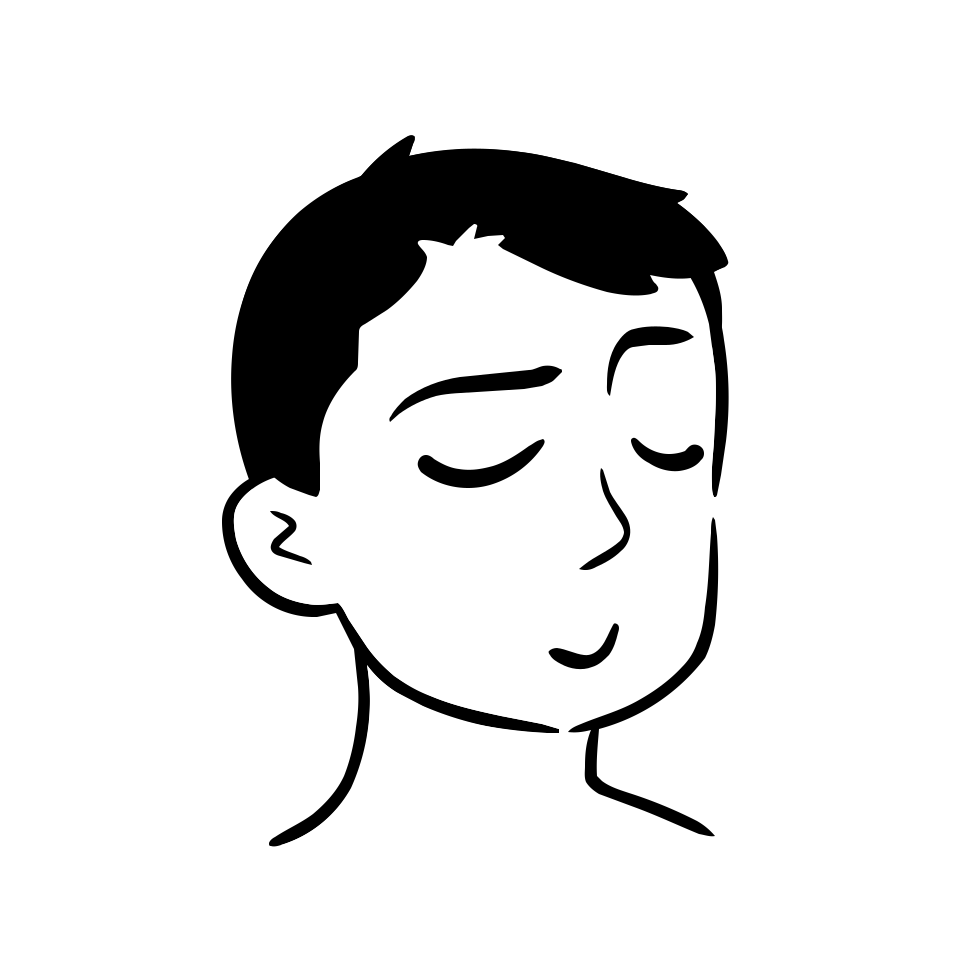
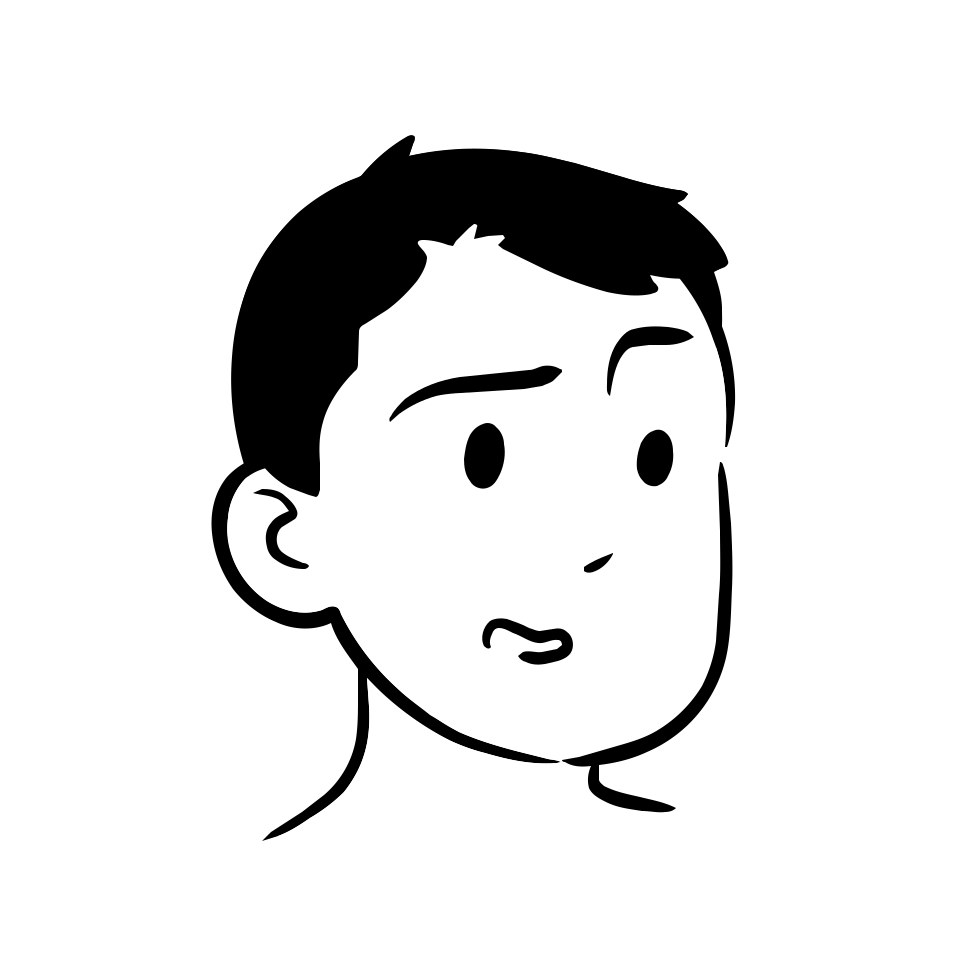
Get a grip, Jackson. You're just chasing ghosts.
Meanings
Examples
We must align our strategic levels of operation.
Collocations & Compounds
entry levels
Noun collocation: the lowest rank or starting point in an organization or profession
noise levels
Noun collocation: the volume or intensity of sound in a particular environment
skill levels
Noun collocation: the degree of proficiency or expertise a person has in a specific area
levels off
Verb collocation: to stop rising or falling and remain constant
Phrasal Verbs
Idioms & Sayings
on a different level
to be far superior or completely different in quality or intensity
Etymology
Derived from the Old French word nivel, which originates from the Latin nivellus, a diminutive of nivum meaning a tool for leveling. The term originally referred to a physical instrument used by masons to ensure a surface was perfectly horizontal, eventually evolving to describe the state of being flat or a specific height relative to a datum line. Over time, the meaning expanded from physical flatness to abstract measurements of intensity and progressive stages of achievement.