Note: The translation for this entry is currently under quality review. Some content is temporarily displayed in English only.
tired
/taɪəd/
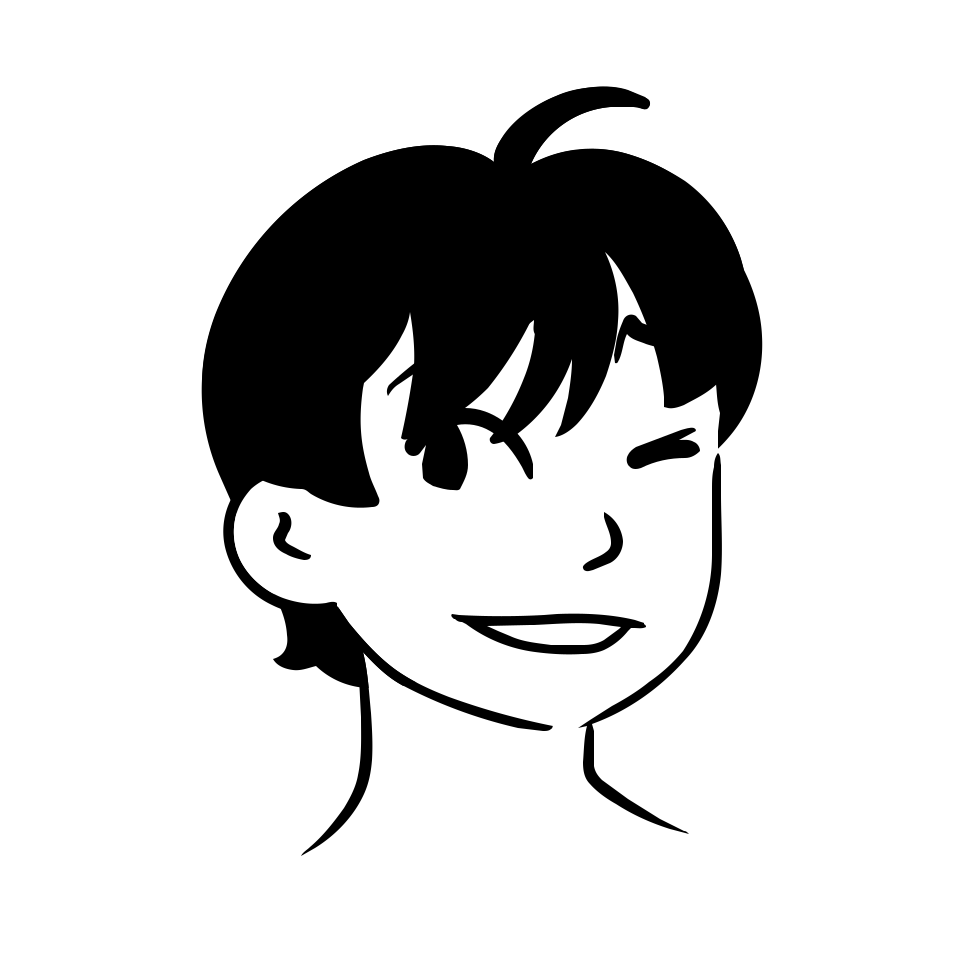
The primary sense describes a physiological state of depletion. It is the most neutral and common term for lacking energy, sitting between 'sleepy' (specifically needing sleep) and 'exhausted' (extreme fatigue). It often carries a feeling of heaviness or a longing for stillness. When applied to ideas, jokes, or styles, it shifts from a physical state to a conceptual one. In this context, it is almost always negative, implying that something has been repeated so often that it has become boring, predictable, or irritating. It suggests a lack of creativity and an absence of original spark.
💬Casual Conversation
I'm way too tired to deal with your nonsense right now. Just leave me alone.

Lmao imagine being cooked by a 10 page essay. Skill issue.
Meanings
Having lost freshness, vigor, or novelty; overused.
"The comedian relied on some tired old jokes that no longer amused the audience."