Note: The translation for this entry is currently under quality review. Some content is temporarily displayed in English only.
cowardly
/ˈkaʊədli/
This word carries a heavy moral judgment. While "timid" or "fearful" might describe a natural human reaction to danger, "cowardly" suggests a failure of character or a betrayal of duty. It is rarely used as a compliment and is almost always intended to shame or criticize the subject. In modern usage, it often describes a refusal to take a necessary risk or a failure to protect others. It shifts the focus from the feeling of fear itself to the shameful action resulting from that fear.
💬Conversación Casual
Did you actually tell David about the budget slip or just bail?

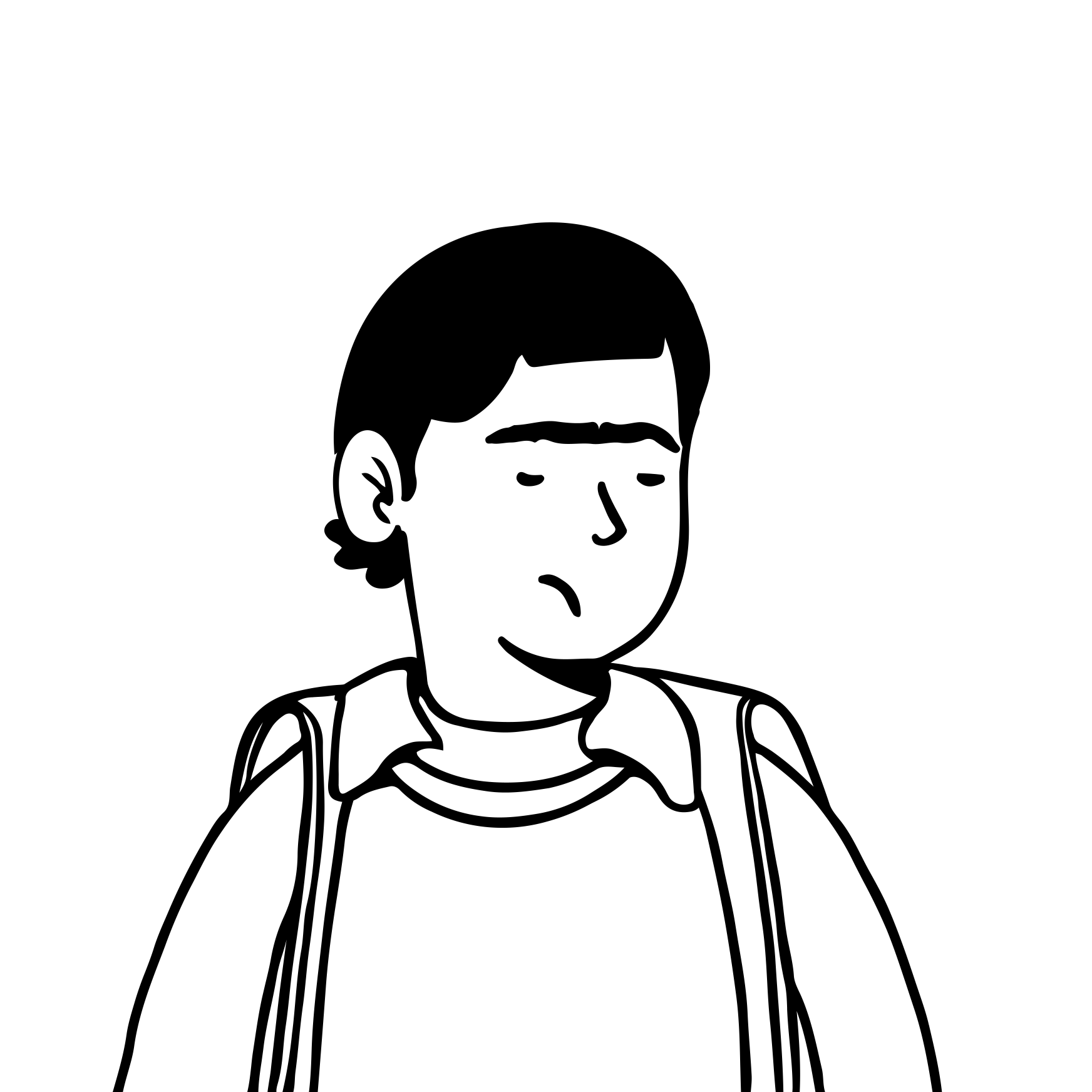
I totally bailed. Don't call me cowardly, I'm just playing it safe.
Meanings
Lacking courage; timid or fearful, especially in a way that is considered contemptible.
"The soldiers were criticized for their cowardly retreat from the battlefield."
In a manner that lacks courage or shows fear.
"He acted cowardly by refusing to stand up for his colleagues during the meeting."