Nota: A tradução desta entrada está atualmente em revisão de qualidade, portanto parte do conteúdo é exibida temporariamente apenas em inglês.
Este verbete ainda não foi traduzido para o seu idioma, portanto o original é exibido abaixo.
surrounding
/səˈɹaʊndɪŋ/
The word evokes a sense of envelopment or containment. Whether used as an adjective to describe a location or a verb describing an action, the primary image is one of being centered within a perimeter.
As an adjective, it often carries a neutral, descriptive tone used in geography or urban planning (e.g., "the surrounding countryside"). It suggests a relationship of proximity and context rather than just random placement.
As a verb, the feeling can shift based on context. In nature, it is peaceful (trees surrounding a lake), but in tactical or social contexts, it can feel claustrophobic, threatening, or overwhelming (police surrounding a building).
💬Casual Conversation
This whole apartment and its surrounding mess is giving me the ick. Adulting is a scam.
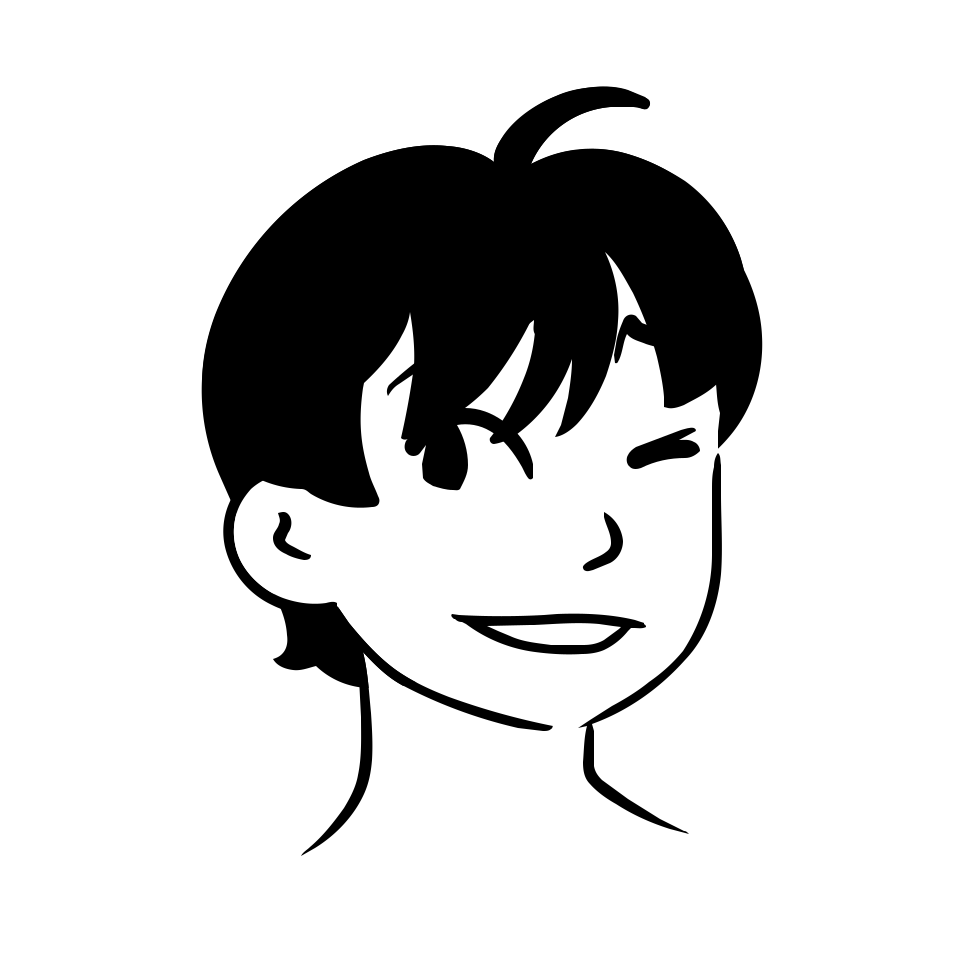
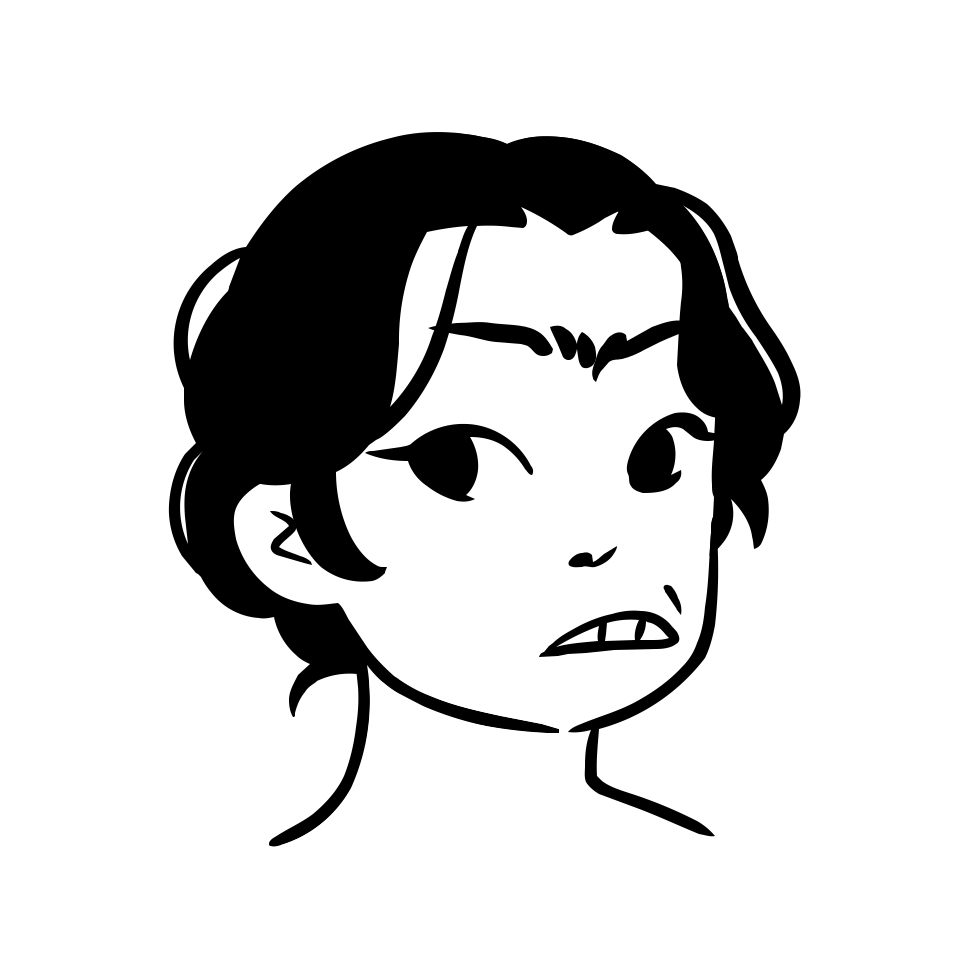
Just clean it then? I'm about to hop on for a raid.
Meanings
Examples
none
Fantasy
Travel
History
Office
School Life
Detective
Supernatural
Collocations & Compounds
surrounding area
The region or space around a particular place.
surrounding circumstances
The conditions or facts that are connected with or affect something.
surrounding countryside
The rural land that is around a town or city.
surrounding walls
The barriers that enclose or protect a place.
Etymology
The word 'surrounding' comes from the Old French verb 'suronder', meaning 'to overflow' or 'to rise above'. This itself derives from the Latin 'super' (over) and 'undare' (to flow like a wave). It entered English in the late 14th century, initially as a verb meaning 'to overflow' or 'to submerge', and later evolved to its current meanings of 'encircle' and 'being all around'. The adjective form developed from the present participle of the verb.