tension
/ˈtɛnʃən/
The word evokes a feeling of "stretching" to a breaking point, whether physical, emotional, or social. It is the sensation of opposing forces pulling in different directions, creating a state of unstable equilibrium. In a physical sense, it is neutral and technical, describing mechanical stress. In a psychological sense, it often carries a negative or anxious connotation—the "tightness" in one's chest or the heavy silence in a room before an argument. When applied to geopolitics or social groups, it describes a simmering hostility that hasn't yet exploded into open conflict but is felt as a constant, underlying pressure. Unlike "conflict," which implies active fighting, "tension" is the precarious state before the fight.
Uncountable when referring to physical pulling force on a cable or the general feeling of anxiety in a room. Countable when describing specific strained relationships between nations or political factions ('tensions are rising').
💬Casual Conversation
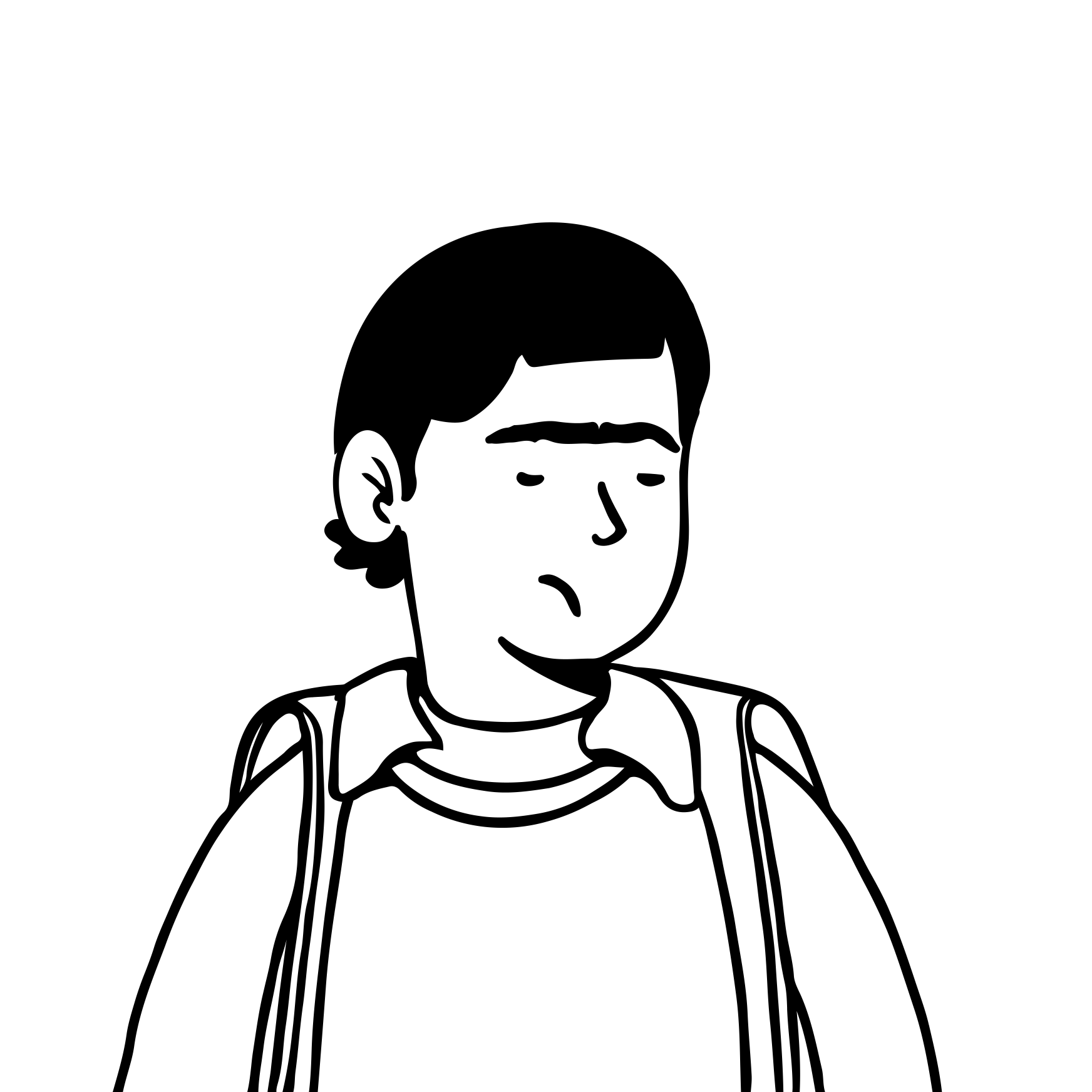
Dude, the Wi-Fi keeps glitching out for me. Super annoying.
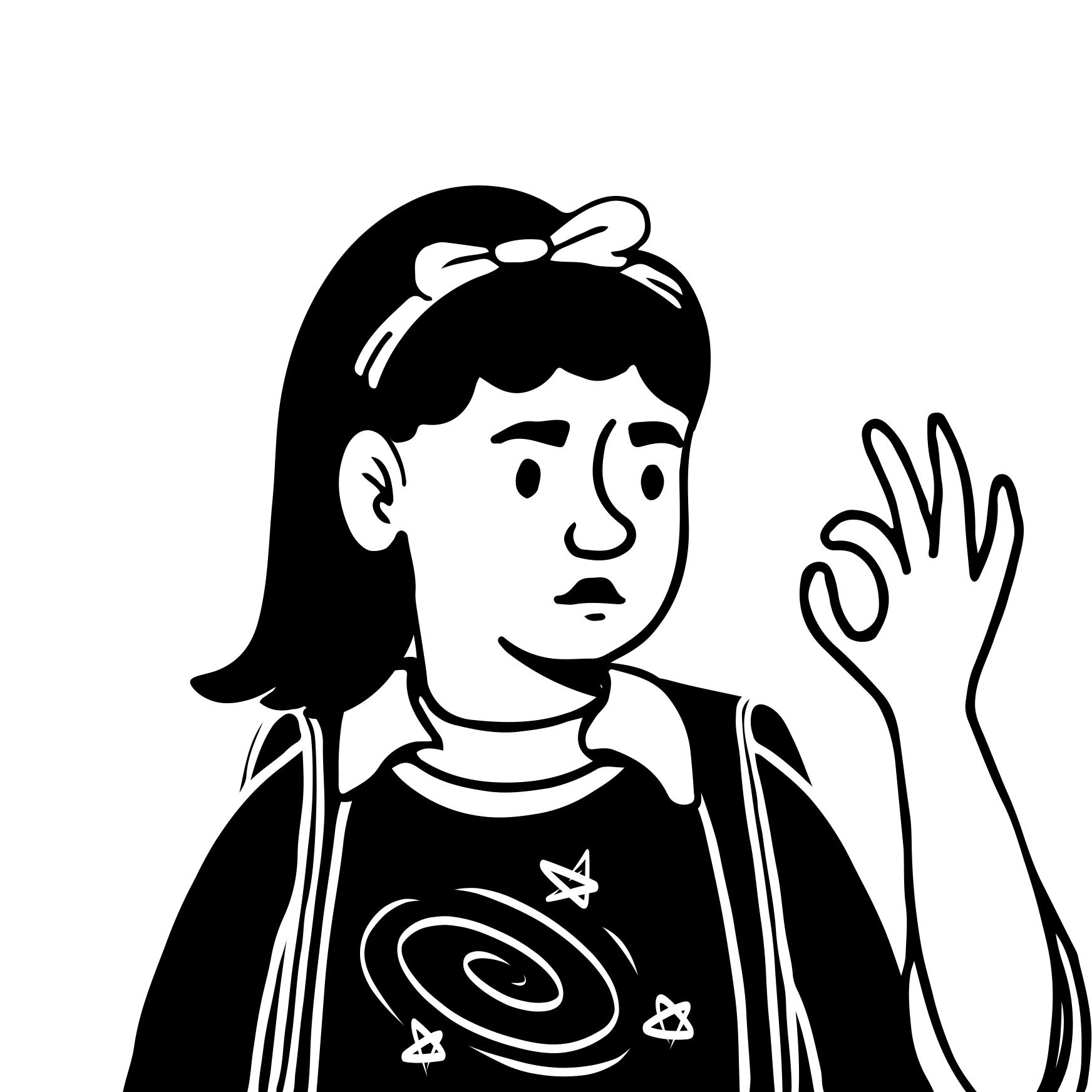
Yeah, there's been some serious network tension since the new server went in. Did you restart your machine?
Meanings
The state of being stretched tight; the force transmitted through a string, rope, cable, or chain when it is pulled tight by forces acting from opposite ends.
"The bridge cables are under immense tension."
Collocations & Compounds
build tension
To gradually increase the suspense or anticipation in a story, scene, or situation.
The director used lighting and music to build tension.
release tension
To reduce or eliminate the stress, anxiety, or strained feelings in a situation or person.
A good laugh can help to release tension.
electrical tension
The difference in electric potential between two points, often referred to as voltage.
The technician measured the electrical tension across the terminals.
muscle tension
The state of involuntary contraction or stiffness in a muscle.
He suffered from chronic muscle tension in his neck and shoulders.
political tension
A state of strained relations or hostility between political groups or countries.
The recent border dispute has increased political tension in the region.
Idioms & Sayings
cut the tension
To say or do something that makes a tense or awkward situation more relaxed.
Someone told a joke to cut the tension in the room.
feel the tension
To be aware of and affected by the strained or anxious atmosphere in a situation.
You could feel the tension between the two rivals before the match.
tension headache
A common type of headache characterized by a feeling of tight pain, usually on both sides of the head.
She took some painkillers for her tension headache.
Etymology
The word 'tension' comes from the Latin word 'tensus', the past participle of 'tendere', meaning 'to stretch'. It entered Middle English in the 14th century, initially referring to the physical stretching of a material or the force pulling it taut. Over time, its meaning broadened to include emotional and psychological states of strain, stress, and disagreement.