bear
/bɛə(ɹ)/
As a noun, the word evokes images of raw power, solitude, and wildness. It is neutral in biological contexts but often carries a connotation of danger or unpredictability in storytelling.
As a verb, there is a strong theme of 'carrying'—whether that weight is physical (a bridge), emotional (grief), or biological (fruit). The sense of endurance is often heavy and strained, suggesting a struggle against a burden rather than easy acceptance.
In directional contexts, it suggests a gradual shift rather than a sharp turn, implying a fluid movement along a path.
💬Casual Conversation
DAVID THE GARDEN GATE IS BROKEN I CANT BEAR THE SIGHT OF IT
DAVID THE GARDEN GATE IS BROKEN I CANT BEAR THE SIGHT OF IT
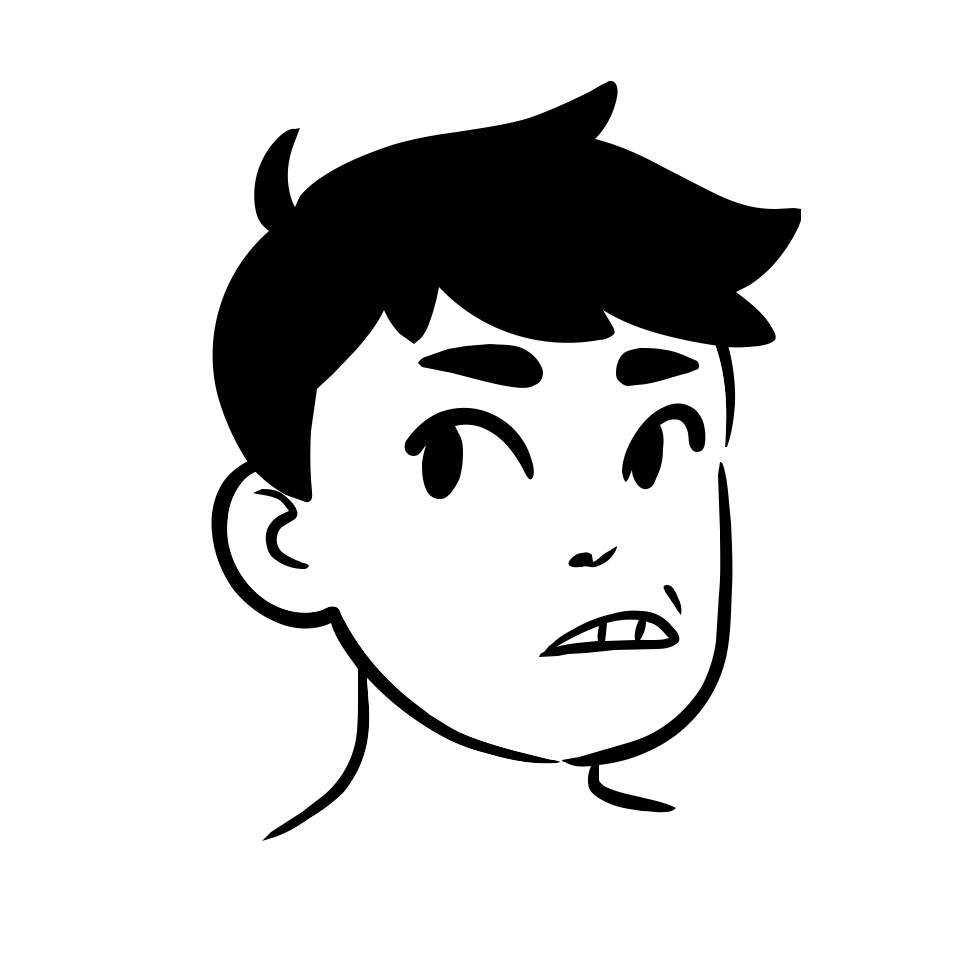
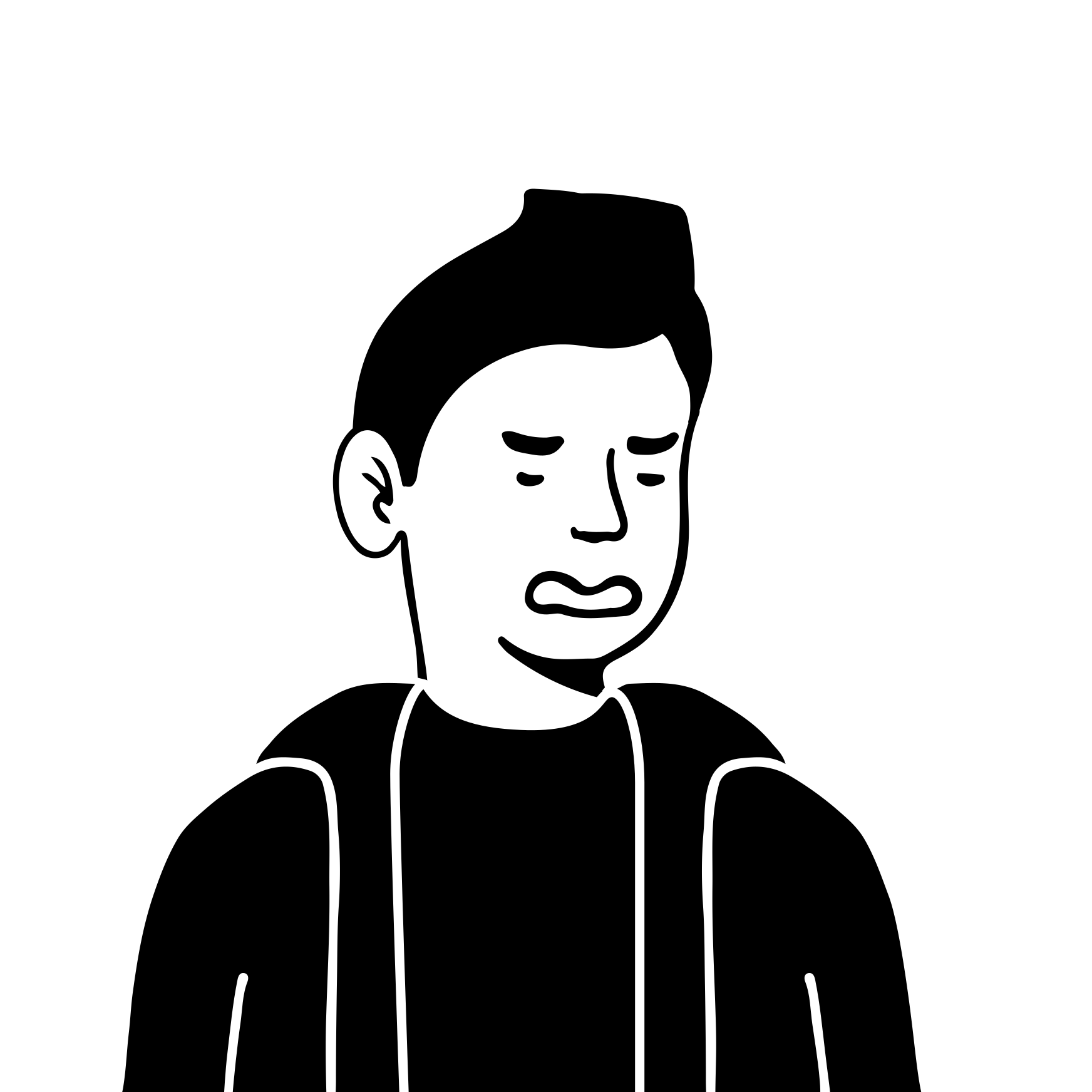
Mom, please. I'm literally in the middle of a deep dive with the VPs.
Mom, please. I'm literally in the middle of a deep dive with the VPs.
Meanings
A large, heavy mammal of the family Ursidae, typically with thick fur and a short tail.
The grizzly bear caught a salmon from the river.
To carry or support the weight of something.
The old bridge can no longer bear the weight of heavy trucks.
To endure or tolerate a difficult situation, person, or feeling.
I cannot bear the thought of losing my best friend.