stand
The primary image is one of verticality and stability. Whether physically upright or metaphorically firm, there is a sense of resistance against gravity or pressure.
When used as a verb for tolerance, it carries a strong negative charge. It rarely describes simple patience; instead, it suggests a limit of endurance where the subject feels an active internal struggle to remain composed despite annoyance or pain.
As a noun referring to a position or opinion, it implies a public and unyielding commitment. Unlike a 'view' or 'opinion', a 'stand' is something one takes and defends, often in a confrontational or formal context.
Countable when referring to a physical kiosk or a specific ideological position. Uncountable when referring to the general act of enduring or the physical state of being upright.
💬Casual Conversation
The board needs to take a firmer stand on the soul of this company.
The board needs to take a firmer stand on the soul of this company.

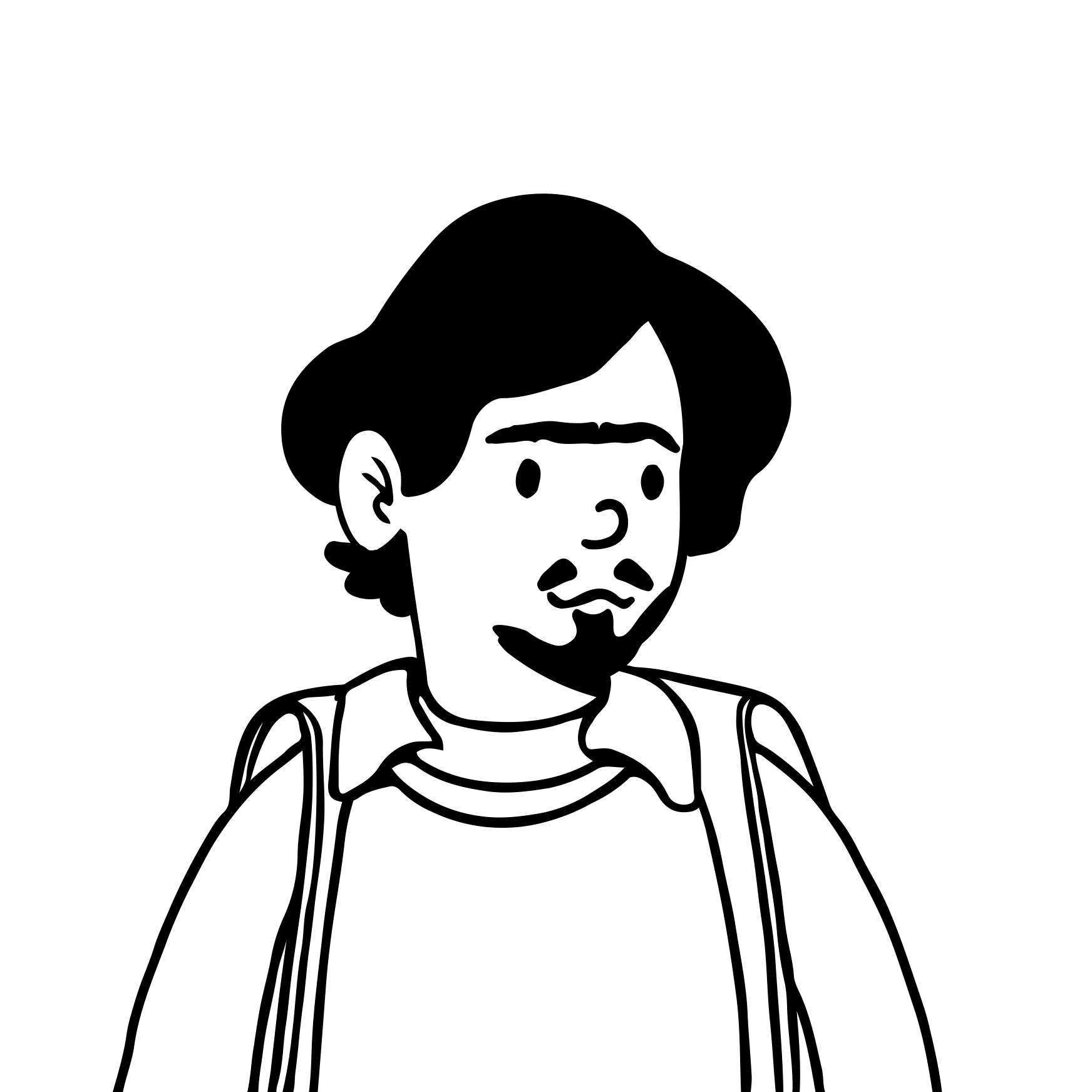
Sir, we are literally losing our funding. This is not the time to get philosophical.
Sir, we are literally losing our funding. This is not the time to get philosophical.
Meanings
To be in an upright position on one's feet.
Please stand when the judge enters the room.
To tolerate or endure something unpleasant.
I cannot stand the sound of nails on a chalkboard.
Examples
Phrasal Verbs
stand up
to rise from a sitting or lying position
Everyone stood up when the national anthem began to play.
stand by
to remain loyal to someone or support them during a difficult time
I will stand by my friend regardless of the accusations.
stand out
to be easily noticed because of being different or better
Her bright red dress made her stand out in the crowd.
stand for
to represent a particular idea or symbol
The dove is known to stand for peace.
stand back
to maintain a distance from something for safety or observation
The police told the onlookers to stand back from the crime scene.