লক্ষ্য করুন: এই এন্ট্রির অনুবাদ বর্তমানে মান পর্যালোচনার অধীনে রয়েছে, তাই কিছু বিষয়বস্তু সাময়িকভাবে শুধুমাত্র ইংরেজিতে প্রদর্শিত হচ্ছে।
এই এন্ট্রিটি এখনও আপনার ভাষায় অনুবাদ করা হয়নি, তাই নিচে মূল লেখাটি দেখানো হচ্ছে।
glowering
/ˈɡlaʊərɪŋ/
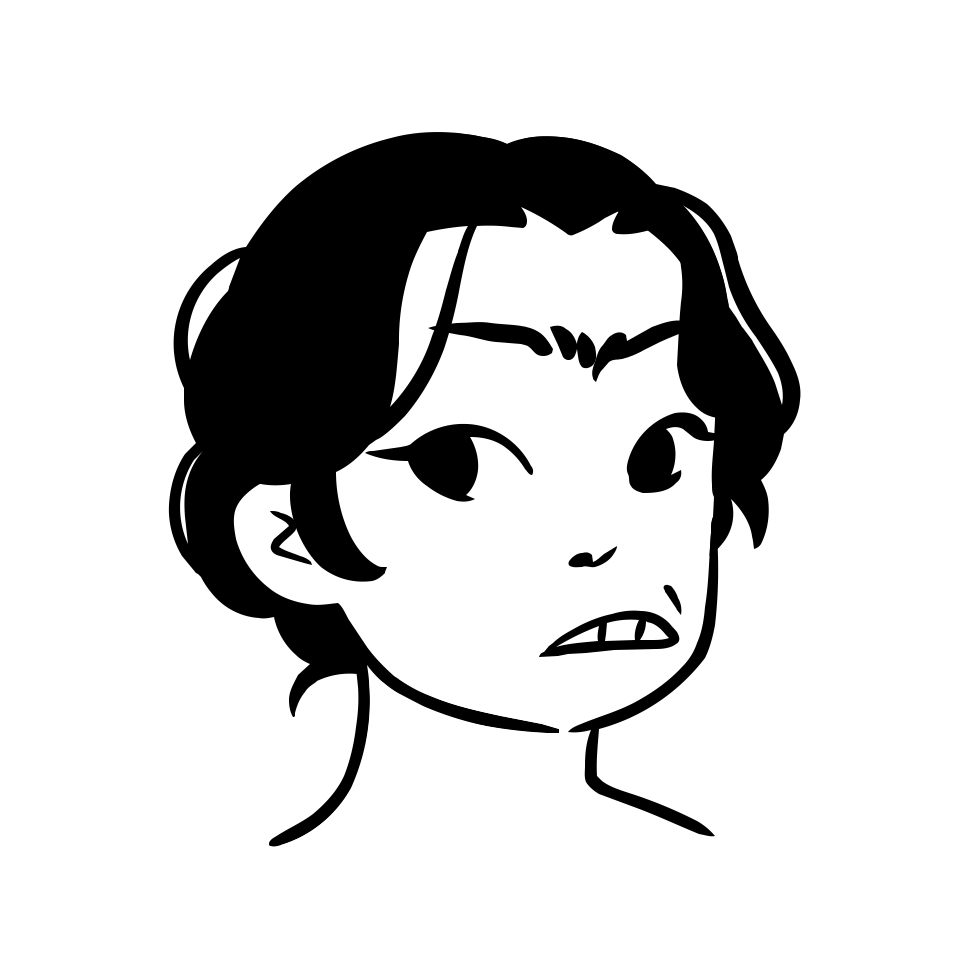
Glowering describes a specific type of anger that is internal, heavy, and silent. Unlike 'glaring', which is often an active, piercing expression of hostility, glowering suggests a brooding or sullen quality—a simmering resentment that stays fixed on the target.
When applied to people, it conveys a sense of moody disapproval. It is not a shout; it is a heavy silence accompanied by a frown.
When used as an adjective for nature (such as clouds or skies), it shifts from human emotion to atmospheric threat. In this context, it implies a dark, oppressive quality that feels as though the weather itself is angry and about to unleash a storm.
💬Casual Conversation
Chloe's just sitting there glowering at you. You're totally cooked.

Wait, really? I thought she was just tired.
Meanings
Examples
He stood by the door with a glowering expression on his face.
Stop glowering at me and just tell me what happened.
The glowering guard refused to let the prisoners leave their cells.
Why are you glowering like that? I only asked a question.
She spent the entire meeting glowering at her boss from across the table.
The detective noticed the suspect's glowering gaze and knew he was lying.
I can tell he is still angry because he is just sitting there glowering.
A glowering look crossed his face when he saw the ruined painting.
Collocations & Compounds
glowering silence
Noun collocation: a period of silence characterized by anger or hostility
glowering gaze
Noun collocation: a steady, angry look directed at someone
Etymology
Derived from the Middle English word glouer, which likely evolved from a dialectal variant of glowen, meaning to stare or gaze fixedly. The term transitioned from a general description of a steady gaze to a specific expression of hostility or resentment, reflecting a semantic shift toward negative emotional intensity during the early modern period.