die
As a verb, the word carries a heavy emotional weight, often associated with finality, loss, and the cessation of biological function. It is used in both literal biological contexts and figurative ones, such as a flame dying out or a conversation dying, suggesting a gradual loss of energy or vitality.
As a noun, the word shifts entirely into the realm of chance or industrial precision. Whether referring to a gaming cube or a metal-stamping tool, the noun focuses on the concept of a fixed pattern or a predetermined outcome, contrasting sharply with the unpredictability of the verb's biological meaning.
Countable when referring to a gaming cube or an industrial tool. Uncountable when referring to the biological process of death.
💬Casual Conversation
If I have to read one more page of this thesis I will actually die.
If I have to read one more page of this thesis I will actually die.
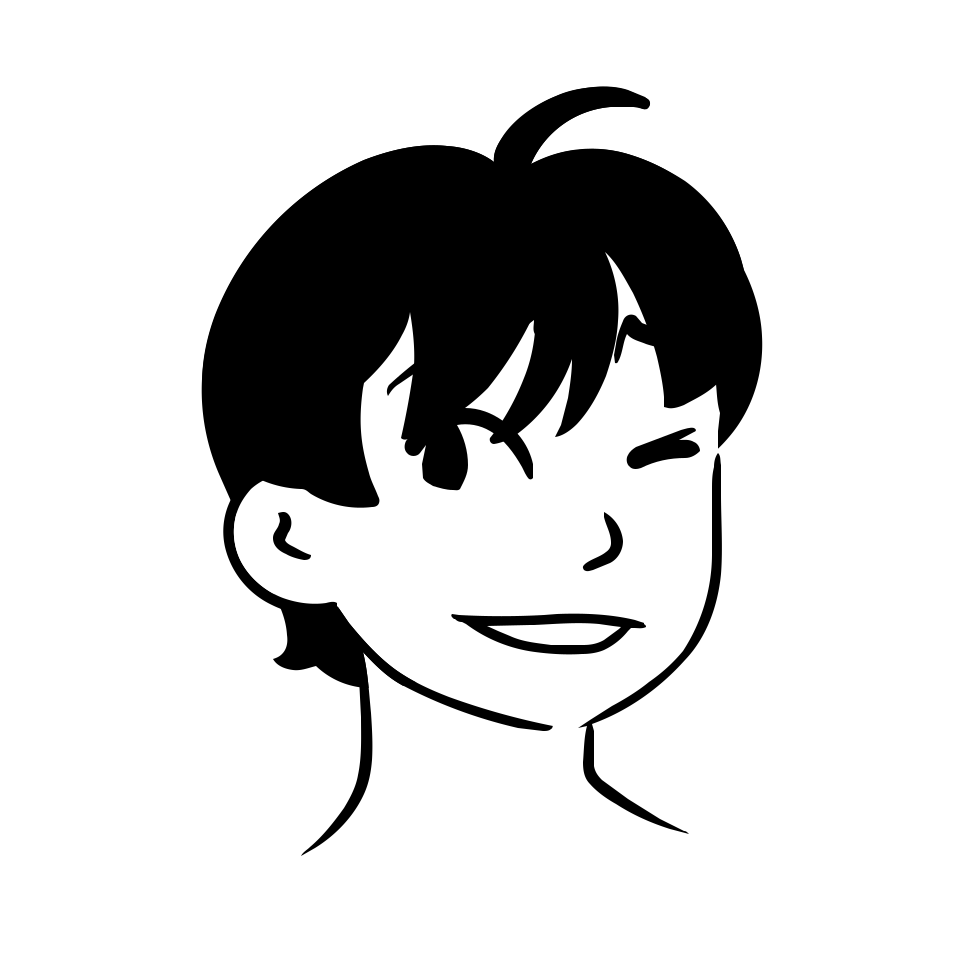
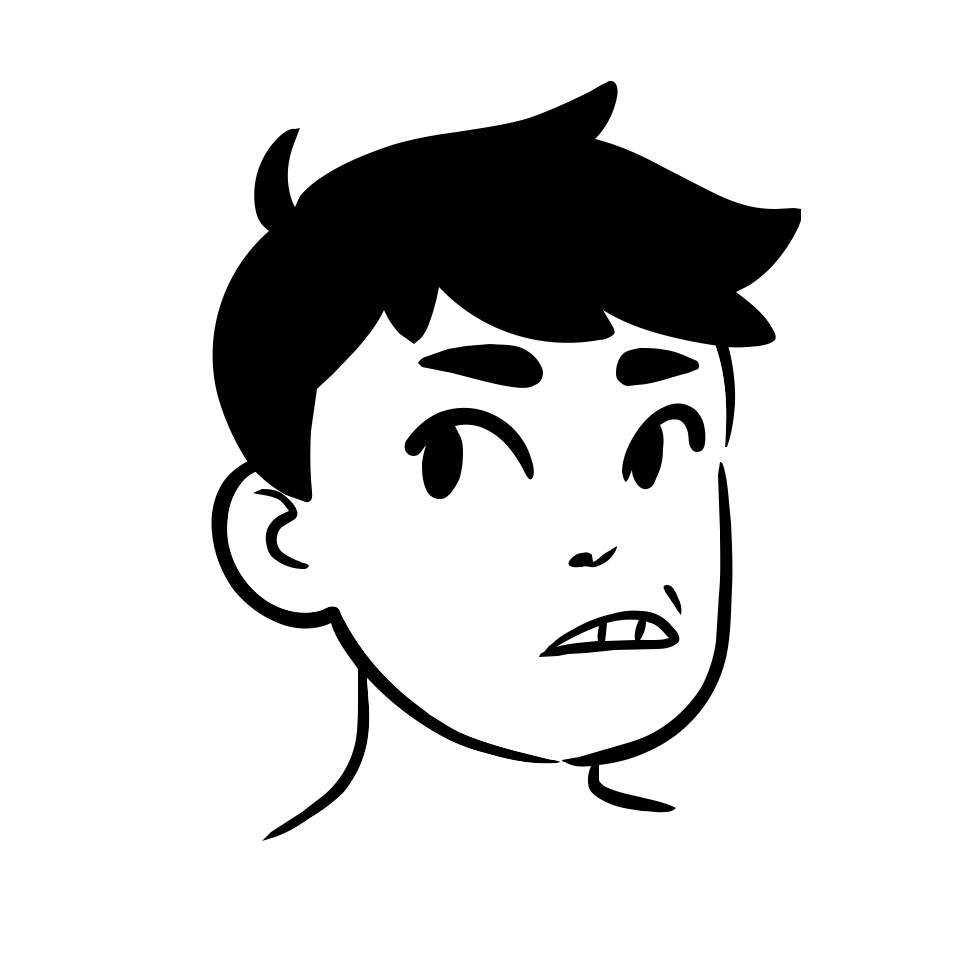
DEAR JUST TAKE A NAP YOU ARE OVERWORKING YOURSELF
DEAR JUST TAKE A NAP YOU ARE OVERWORKING YOURSELF
Meanings
Phrasal Verbs
die out
to become extinct or disappear completely
The ancient species of giant ground sloth died out thousands of years ago.
die down
to gradually decrease in intensity or volume
We waited for the wind to die down before attempting to cross the bridge.
die away
to fade gradually into silence
The sound of the receding train died away into the distance.
die off
to die one by one until few or none remain
The remaining population of the rare orchid is slowly dying off due to habitat loss.