heavy
/ˈhe.vi/
This term describes a physical burden or a psychological weight, often carrying a sense of pressure or difficulty. When applied to mood or atmosphere, it suggests a suffocating or oppressive quality, such as a heavy silence, where the tension is palpable and uncomfortable.
💬Casual Conversation
David, this report is incredibly heavy on jargon.

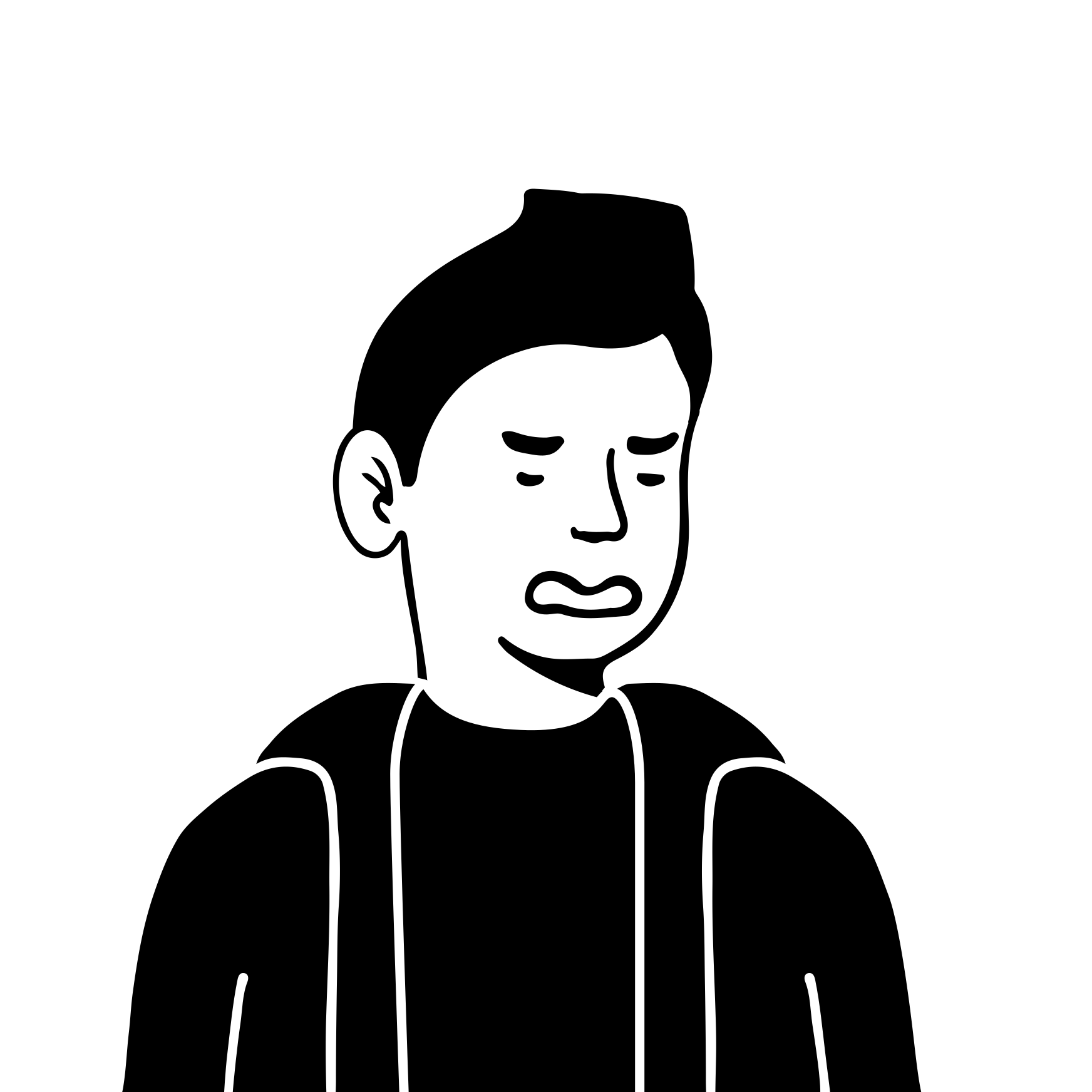
I just wanted to leverage our synergistic paradigms, Victoria.
Meanings
Examples
God, this bag is way too heavy for me.
Look, I know things are heavy right now, but we'll manage.
Stop it! This conversation is getting way too heavy for dinner.
I can't believe you're still carrying that heavy old laptop.
Listen, the atmosphere in that meeting was just... heavy.
Ugh, why is the traffic always this heavy on Fridays?
Wait, is the rain actually getting heavy out there?
I'm sorry, but the heavy lifting is already done.
Seriously, who puts this much heavy cream in coffee?
Collocations & Compounds
heavy lifting
the most difficult part of a task
I'll handle the heavy lifting for this project.
heavy sleeper
someone who does not wake up easily
My roommate is such a heavy sleeper.
heavy traffic
a large number of vehicles on a road
We were late because of heavy traffic.
heavy rain
intense precipitation
The game was cancelled due to heavy rain.
heavy smoker
someone who smokes cigarettes frequently
He has been a heavy smoker for twenty years.
Idioms & Sayings
heavy-handed
clumsy or overly forceful
The manager was a bit heavy-handed with the new rules.
lay it on heavy
to exaggerate or overstate something
She really laid it on heavy when she apologized.