relaxation
/ˌɹilækˈseɪʃən/
This term carries a soothing, expansive quality, suggesting a release of pressure or a loosening of a tight grip. Whether it refers to a mental state or a physical muscle, the core image is one of decompression and the removal of a burden. When applied to laws or rules, the word shifts from a feeling of comfort to a feeling of liberation or permissiveness. It implies a strategic softening of boundaries rather than a complete abolition of the rule.
Uncountable when referring to the general state of feeling calm or the biological process of muscles loosening. Countable when referring to specific activities or methods used to achieve that state, such as different forms of relaxation.
💬Casual Conversation
Mark, did you finish the slides? I'm losing it here.

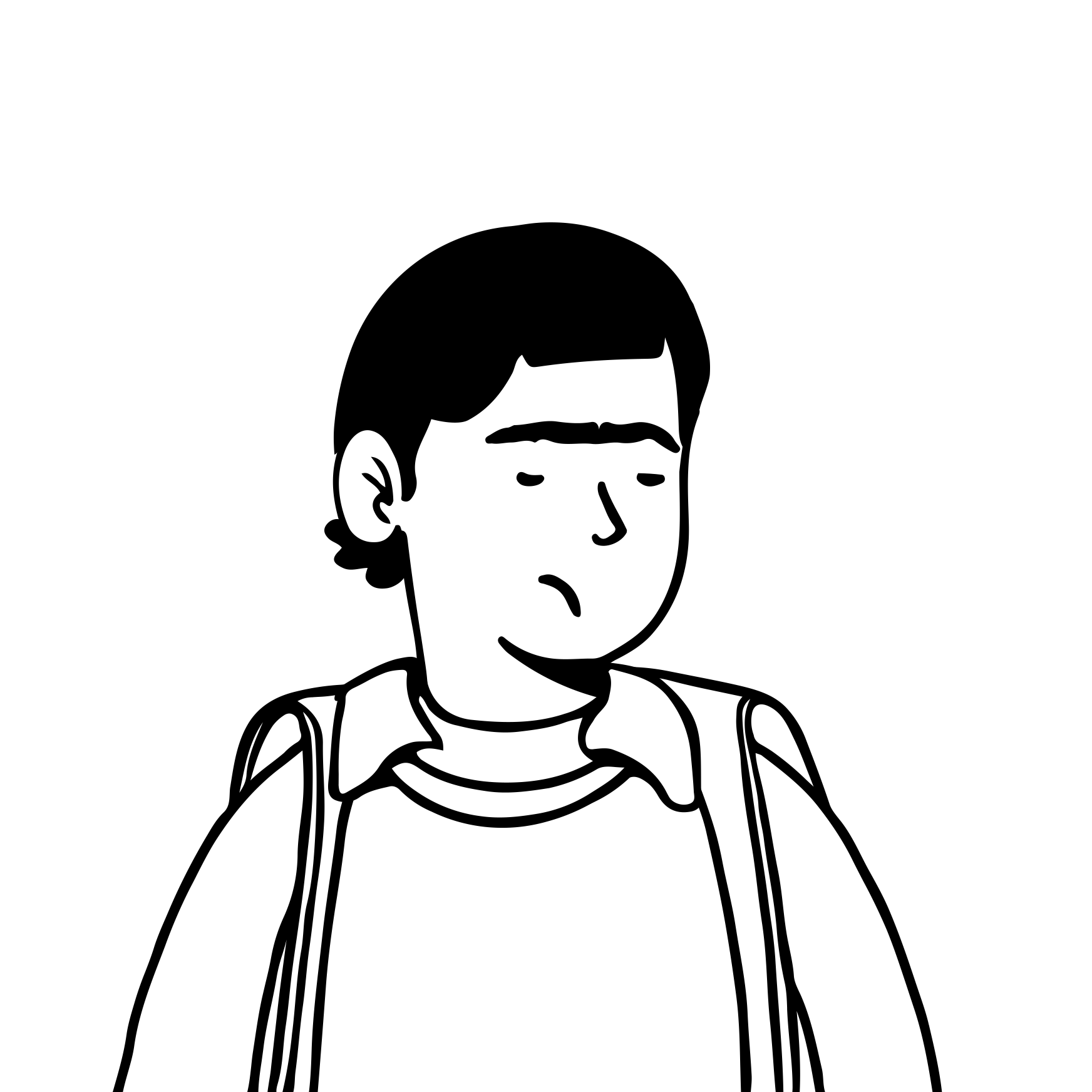
Chill. I'm in full relaxation mode since it's almost five.
Meanings
The state of being free from tension and anxiety.
"After a stressful week at work, she spent the weekend in total relaxation."
The act of resting or engaging in an activity for pleasure to reduce stress.
"Reading a book is my favorite form of relaxation."
Etymology
Derived from the Latin relaxatio, from relaxare, meaning to loosen or slacken, which is a combination of re- meaning back or again and laxare meaning to make loose, from the root laxus. The term entered English in the 16th century, initially referring to the physical loosening of a string or muscle before expanding to describe the easing of mental tension and the softening of legal constraints.