blow
When used as a verb for wind, it is usually intransitive (it doesn't need an object). For example, we say "The wind blows," not "The wind blows the air." As a noun meaning a shock or disappointment, 'blow' is often paired with adjectives like 'terrible', 'crushing', or 'severe' to show how strong the emotional impact was. Be careful with the transitive verb form: blowing an instrument (like a whistle) requires air, while blowing a punch refers to the physical act of hitting.
💬Casual Conversation
David just scrapped the whole project. Total blow to my ego, man.
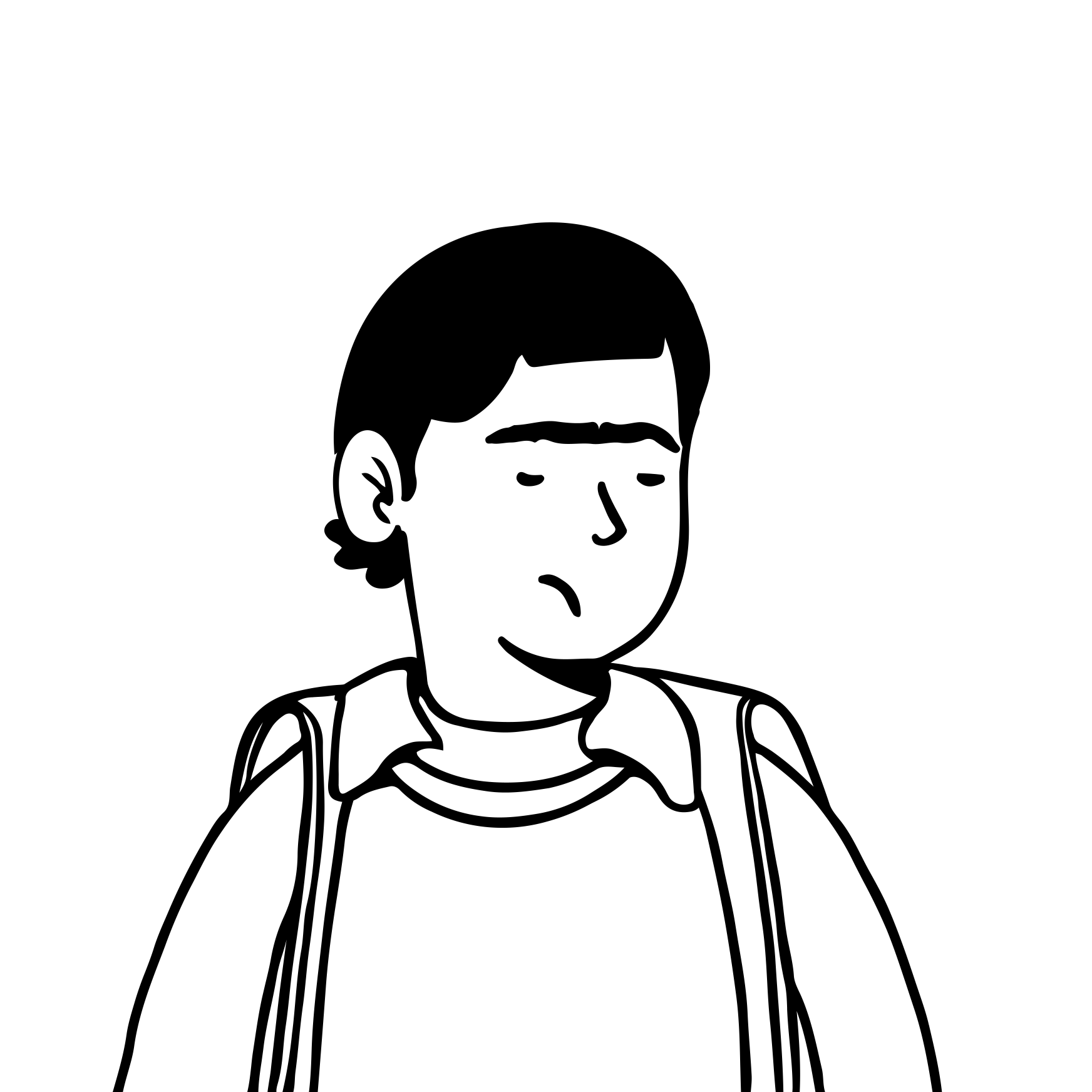

Sucks for you. I'm just glad it means less work for me.
Meanings
To move as a current of air; to be moved by the wind.
"The wind began to blow fiercely from the north."
To expel air from the mouth or through an instrument.
"She had to blow the whistle to start the race."
To strike a hard blow with a fist or weapon.
"The boxer managed to blow a powerful punch to his opponent's jaw."
A hard hit with a hand, weapon, or heavy object.
"He received a crushing blow to the head during the accident."
An unexpected event that causes shock or disappointment.
"The news of the company's bankruptcy was a terrible blow to the employees."