petty
/ˈpɛti/
The word carries a strong negative charge when applied to human behavior. While it can mean "small" in a literal or administrative sense, its most common usage describes a spirit of narrow-mindedness. When describing people, it suggests a lack of generosity or maturity. It is not just about focusing on small things, but doing so specifically to annoy, punish, or spite someone else over something that doesn't actually matter. In administrative contexts (like "petty cash" or "petty officer"), the word is neutral and simply denotes a lower rank or smaller amount. However, in social contexts, calling someone "petty" is an insult implying they are obsessed with insignificant grievances.
💬Casual Conversation
Your mom's still salty about the dishes. Don't be petty and just text her back.
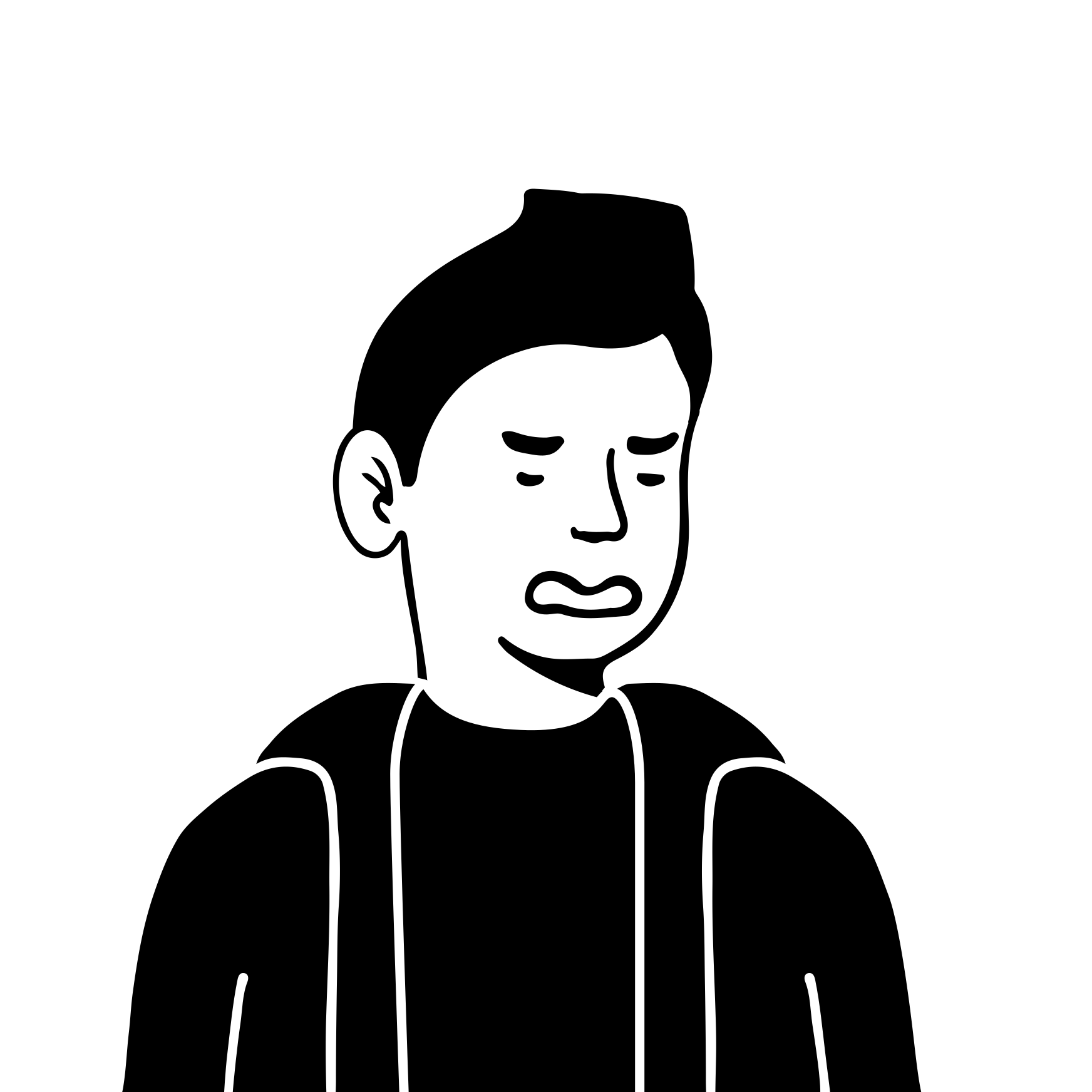
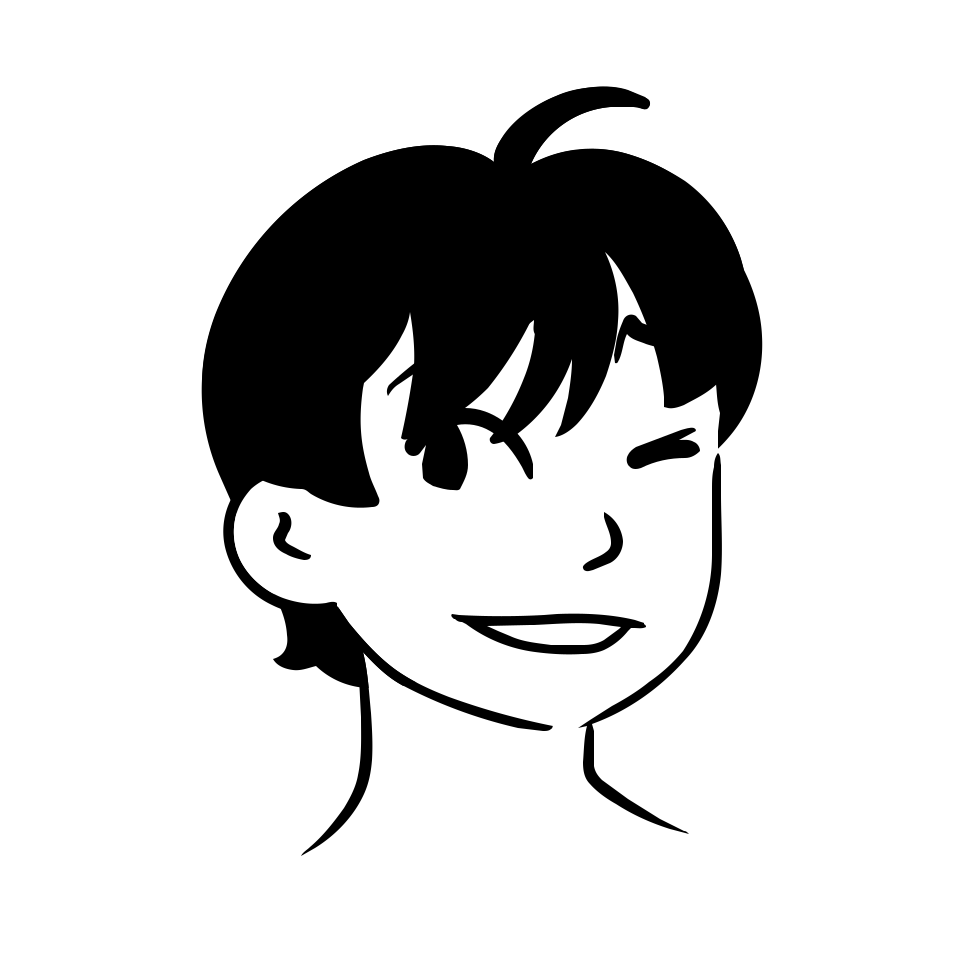
I'm not being petty, I'm literally just ghosting the drama until finals are over.
Meanings
Of little importance; trivial.
"They spent the entire meeting arguing over petty details."
Examples
The committee wasted hours debating petty procedural rules.
It was petty of her to hide his keys over a small argument.
The case was handled by a petty court in the rural district.
Cultural Context
The Psychology of Petty Grievances: Why We Sweat the Small Stuff
Have you ever found yourself unable to sleep because a coworker used a slightly condescending tone in an email from three years ago? Or perhaps you have held a grudge over a borrowed pen that was never returned? This is the essence of being petty. While we often dismiss petty behavior as mere immaturity, it actually reveals a fascinating intersection of human psychology and the need for perceived justice.<br><br>At its core, pettiness often stems from a feeling of powerlessness. When an individual feels they lack control over the larger trajectories of their life or career, they may subconsciously pivot their focus toward small, manageable conflicts. By winning a petty argument or executing a minor act of spite, the person gains a fleeting sense of agency and dominance. It is a psychological defense mechanism where the trivial becomes a battlefield for self-worth.<br><br>Furthermore, the brain's negativity bias ensures that we remember slight insults more vividly than grand compliments. This evolutionary trait, once useful for avoiding danger, now manifests as the tendency to dwell on petty details. In modern social dynamics, this can create a cycle of escalation where two parties engage in a war of attrition over things that, in the grand scheme of things, are entirely insignificant. Understanding the root of this behavior allows us to recognize that pettiness is rarely about the object of the dispute, but rather about an internal struggle for validation and control. By shifting focus from the petty to the purposeful, we can break the cycle of trivial conflict.
Etymology
Derived from the Old French word petit, meaning small, which originates from the Vulgar Latin guttitus, a diminutive form of the Latin word guttis, meaning a drop. The term evolved from a literal description of physical size to a figurative description of insignificance or low status in Middle English.