hedge
/hɛdʒ/
The word evokes the image of a physical barrier that is organic rather than rigid. In its literal sense, it describes a living wall used for privacy or containment. When used metaphorically in speech or finance, it shifts to the concept of 'protection through ambiguity.' To hedge is to create a safety buffer so that one is not fully exposed to risk or accountability. In conversation, hedging often carries a slightly negative connotation of evasiveness or lack of confidence. It differs from lying; while a lie is a false statement, a hedge is a carefully constructed non-answer designed to keep options open.
Countable when referring to a specific physical boundary ('three hedges'). Uncountable when referring to the act of hedging in speech or finance ('there is a lot of hedging in this report').
💬Casual Conversation
DAVID THE HEDGE IS OVERGROWN. COME TRIM IT NOW.

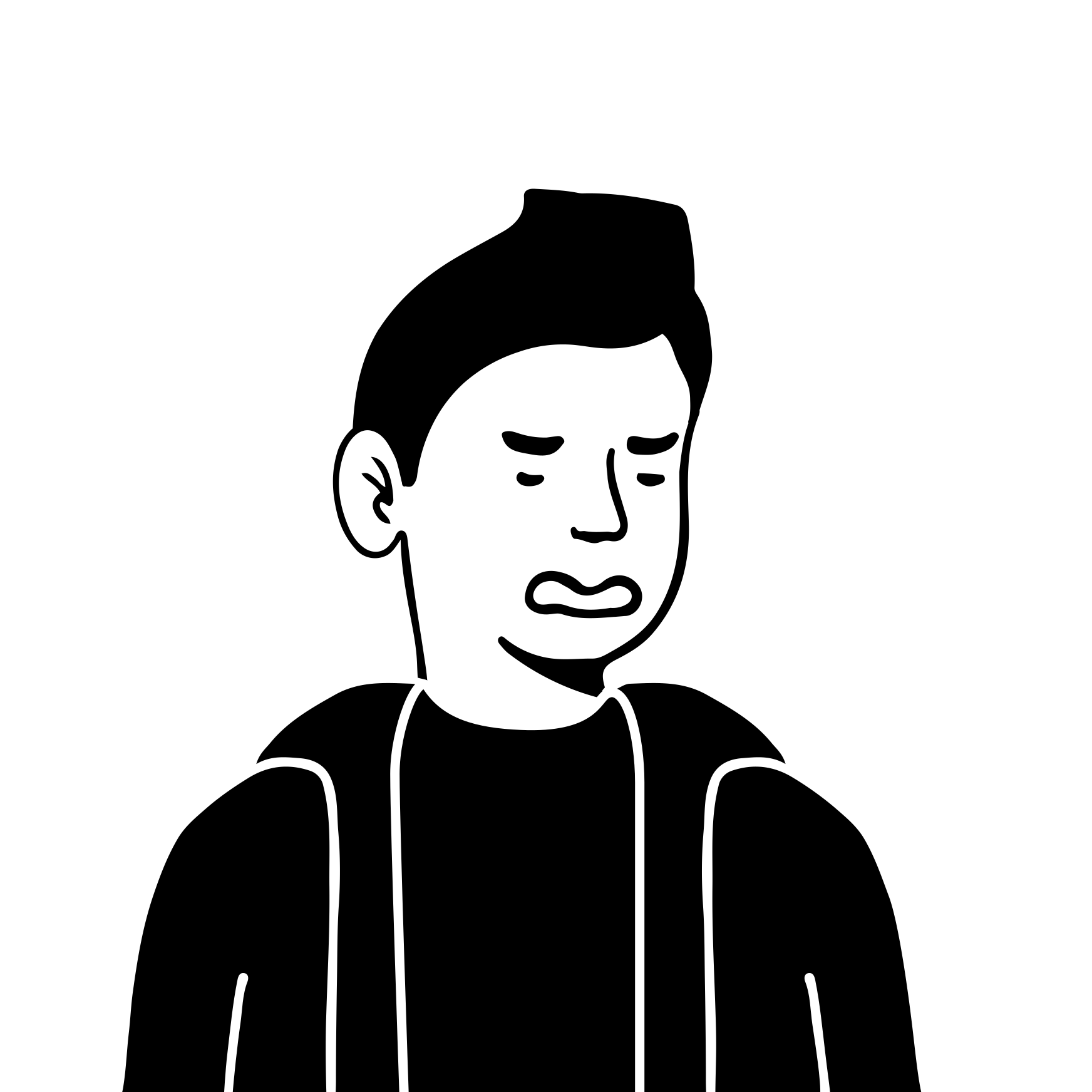
Can't right now, I'm circling back with the team on a pivot.
Meanings
A fence or boundary formed by closely growing bushes or shrubs.
"The garden was enclosed by a tall privet hedge."
Etymology
Derived from the Old English hecg, which originates from a Proto-Germanic root meaning a fence or enclosure. The term originally referred to a physical barrier made of living plants used to mark boundaries or keep livestock contained. Over time, the meaning expanded from the physical act of enclosing a space to the figurative act of creating a protective barrier around a statement or a financial position to mitigate risk.