abstract
/ˈæbˌstɹækt/
The word centers on the act of 'pulling away' from a concrete source. Whether it is an idea separated from physical reality, a summary pulled from a long text, or a painting that ignores literal representation, there is always a sense of distillation and removal. As an adjective, it often carries a connotation of being difficult to grasp or overly theoretical. In academic contexts, 'abstract' is the opposite of 'applied'. When used in art, it implies a deliberate rejection of realism in favor of emotional or structural essence. As a noun, it is strictly functional and professional, referring to a condensed version of a larger work. As a verb, it is more technical, describing the process of isolation—similar to 'extract' but often implying that what is being pulled out is an essence, a pattern, or a specific piece of data.
Used as a countable noun specifically when referring to the short summary at the beginning of an academic paper or thesis.
💬Casual Conversation
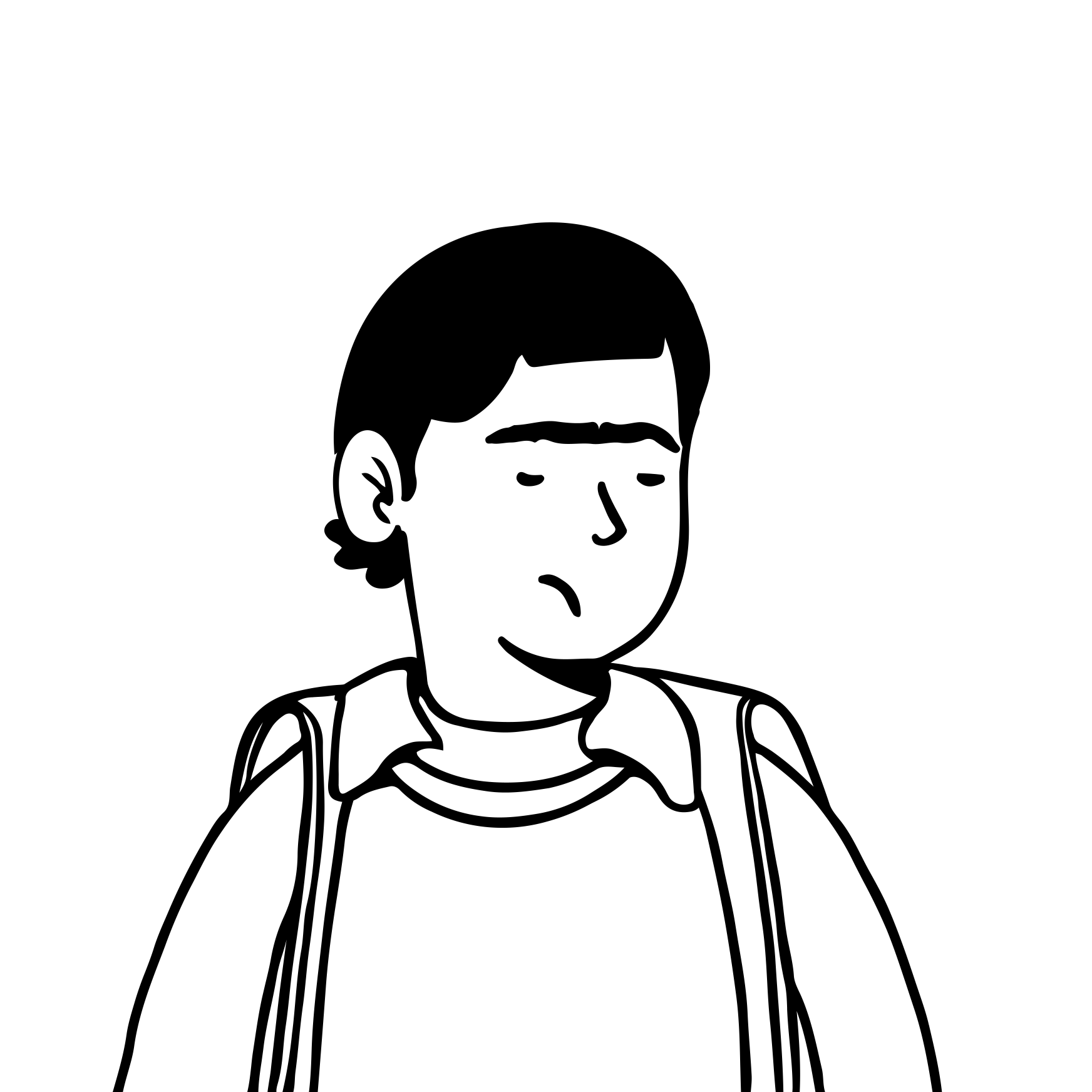
yo, this report is way too abstract. can you just TL;DR it for me?
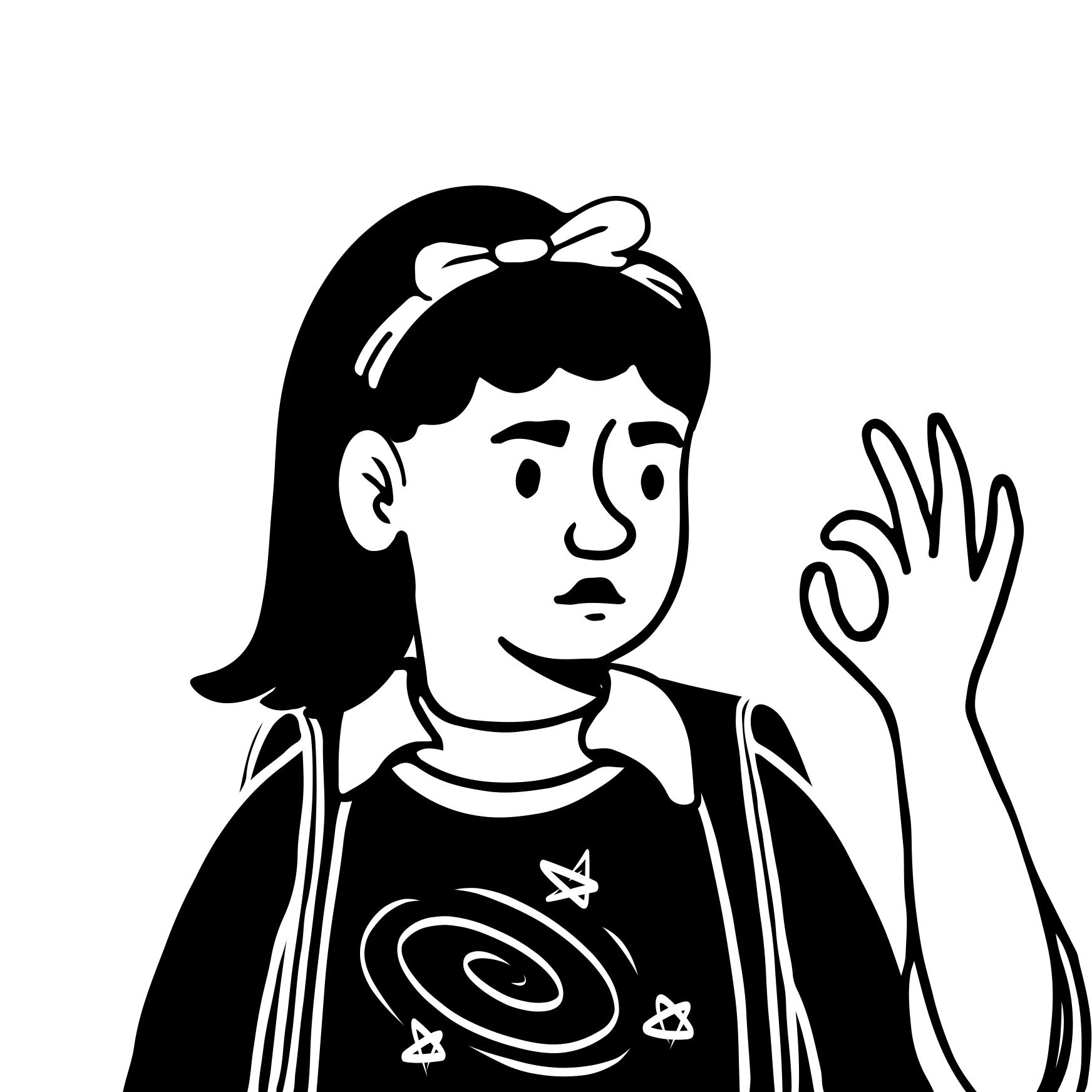
read the abstract yourself and stop bugging me.
Meanings
Existing in thought or as an idea but not having a physical or concrete existence.
"Truth and justice are abstract concepts."
Relating to art that does not attempt to represent external reality, but seeks to achieve its effect using shapes, forms, colors, and textural effects.
"The gallery is filled with abstract expressionist paintings."
Etymology
Derived from the Latin word abstractus, which is the past participle of abstrahere, meaning to draw away or pull from. This is a combination of ab- meaning away and trahere meaning to pull. The term evolved from a literal physical action of pulling something away to a mental process of isolating a general idea from specific instances.