make
/meɪk/
💬Casual Conversation
This student loan bill is actually gonna make me cry.
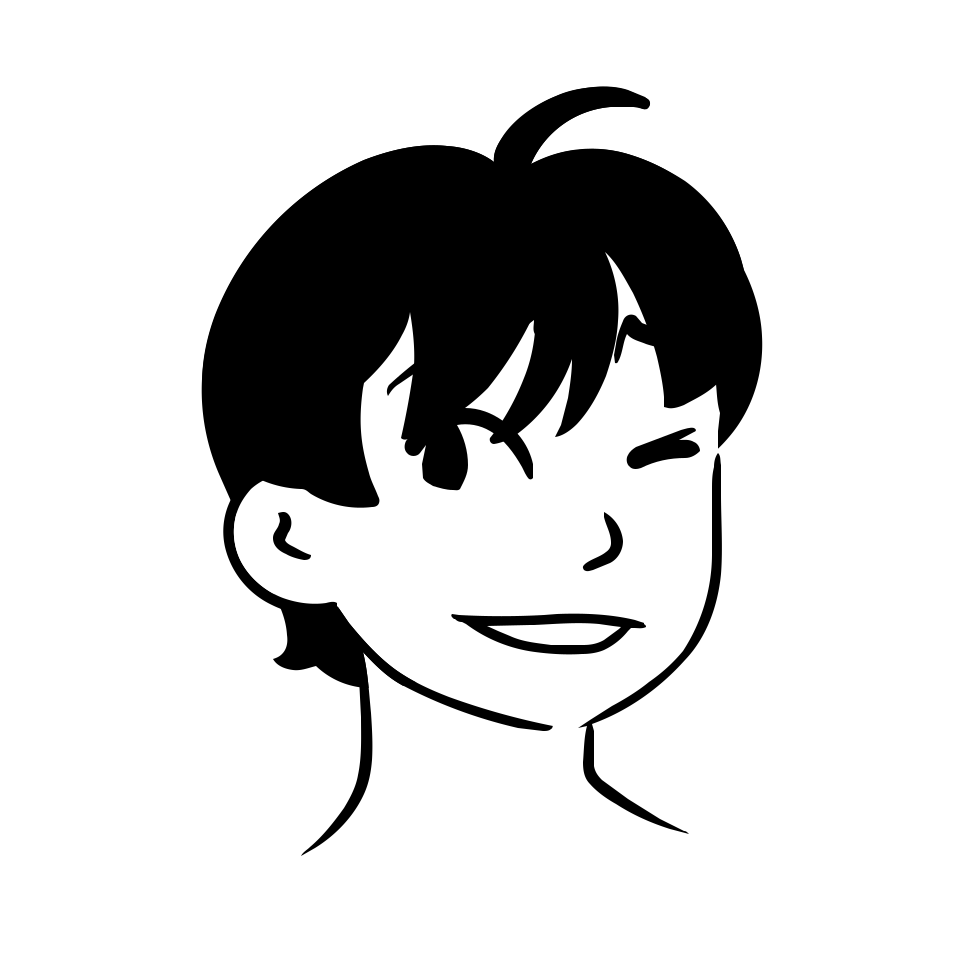
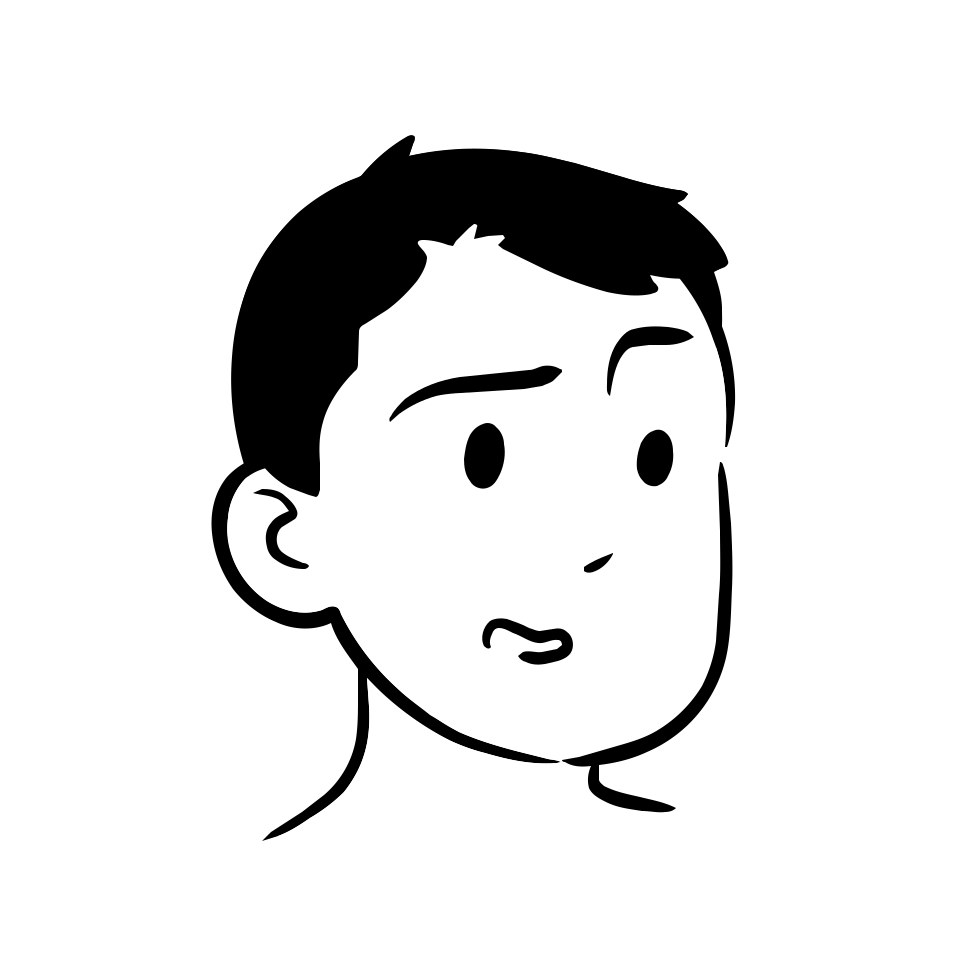
Did you even apply for those side gigs? Gotta make some bank.
Cultural Context
The word "make" is a workhorse in the English language, and its versatility is nowhere more apparent than in the dramatic pronouncements of William Shakespeare. Beyond its common usage of creation or construction, "make" in Shakespeare often carries the weight of destiny, ambition, and the very fabric of power.
Consider the infamous "make him king" declarations. This isn't merely about forging a crown or building a throne; it's about orchestrating political upheaval, manipulating events, and ultimately, asserting control over the course of history. Think of Macbeth's witches, whose prophecies "make" him Thane of Cawdor and, more chillingly, "make" him king. Their words don't just predict; they set in motion a chain of events that the characters themselves actively pursue, driven by ambition and a desire to "make" their own fate.
Furthermore, "make" is used to describe the psychological conditioning that shapes individuals. A villain might "make" a hero question their own morality, or a betrayal could "make" someone hardened and cynical. This is about the emotional and mental construction of a character, the deep, often irreversible, changes wrought by experience and the actions of others. It speaks to the power dynamics where one person or force can fundamentally alter the inner landscape of another.
Shakespeare also employs "make" in contexts of destruction or undoing, a kind of negative creation. A curse might "make" a family's fortune dwindle, or a tragic flaw could "make" a noble character fall from grace. Here, "make" signifies an inevitable decline, a predetermined path towards ruin that characters are powerless to escape.
The sheer frequency and varied applications of "make" in Shakespeare's plays highlight its crucial role in understanding the complex interplay of agency, destiny, and character development that defines his timeless dramas. It’s a word that doesn't just describe actions; it defines the very forces that shape lives and topple kingdoms.