burst
When used as a verb, 'burst' is often irregular. In many contexts, the past tense and past participle are also 'burst' (e.g., 'yesterday, the pipe burst'), though 'bursted' is sometimes seen in very informal speech but is generally considered incorrect in standard English. When describing emotions, it is almost always followed by the word 'into' (e.g., 'burst into laughter' or 'burst into flames'). As a noun, 'burst' usually refers to a short duration of time, emphasizing that the activity was sudden and temporary.
💬Casual Conversation
If you don't send those slides now I'm actually gonna burst.
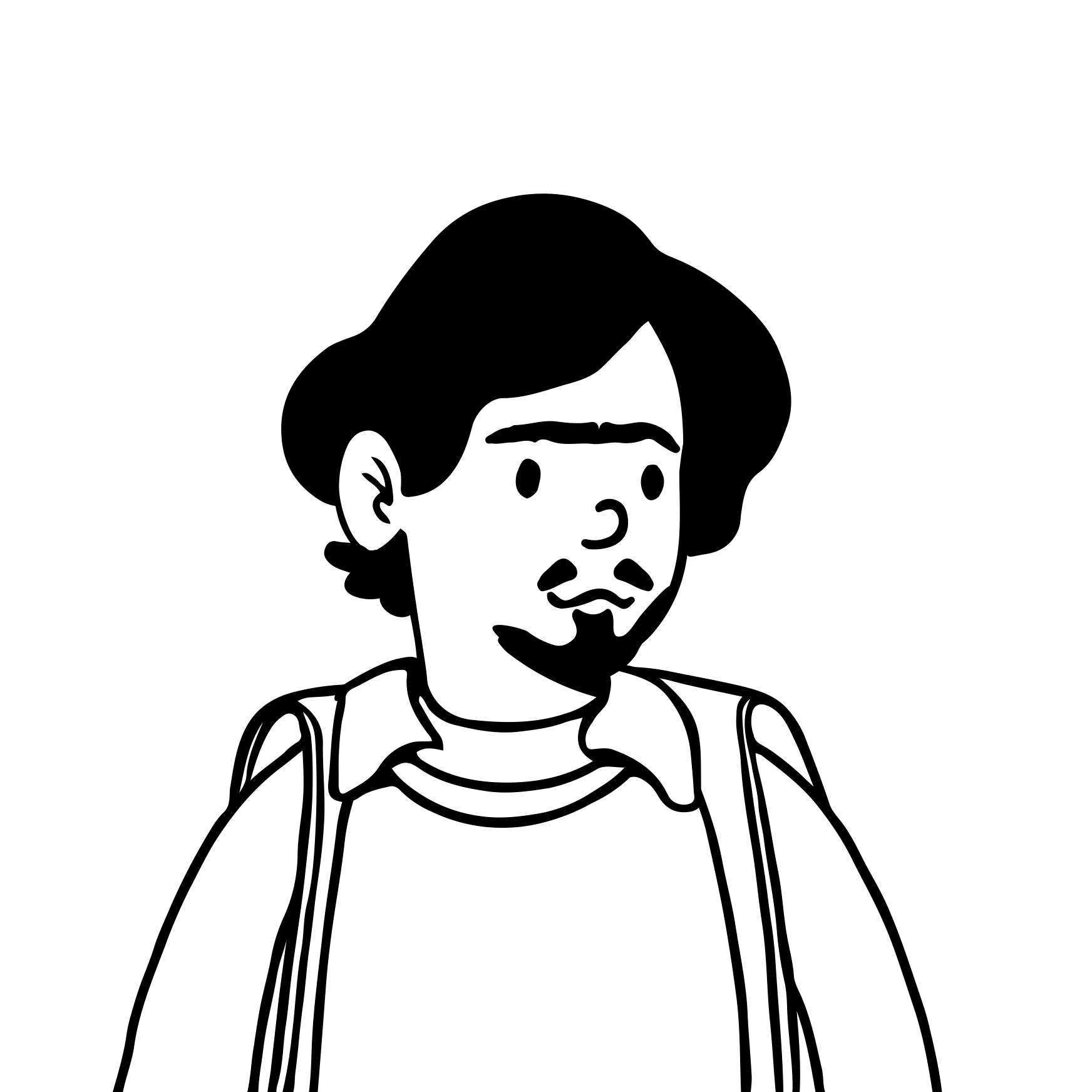
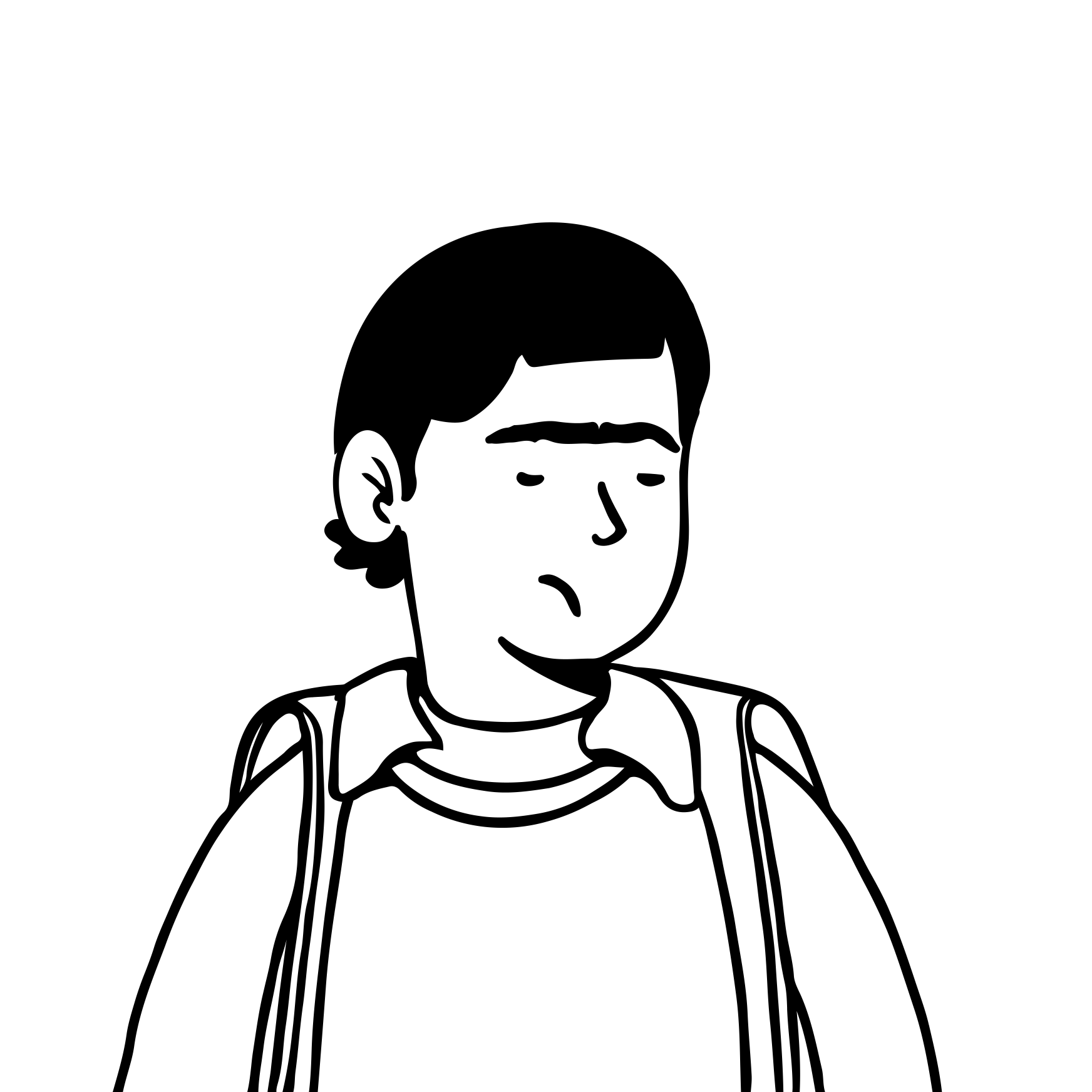
chill, i'm just vibing with the formatting. almost there.
Meanings
To break open or apart suddenly and violently, usually due to internal pressure.
"The balloon burst when it touched the thorn."
To force one's way through a barrier or door suddenly and violently.
"The police burst the door open to enter the building."