box
/bɒks/
As a noun, the word evokes containment and boundary. It carries a sense of utility and organization, but when applied metaphorically (e.g., "thinking outside the box"), it represents restriction or conventional limits. As a verb, the focus shifts to physical impact and combat. There is a sharp contrast between the disciplined, regulated environment of professional boxing and the more impulsive act of hitting someone with fists. The botanical reference refers specifically to structured greenery, often associated with formal gardens and precision landscaping.
Countable when referring to a physical container ('put it in a box') or an individual plant. Uncountable when referring to the shrubbery as a collective landscaping material ('the garden is filled with box').
💬Casual Conversation
Sarah, can you think outside the box for these slides? Really disrupt the vibe.
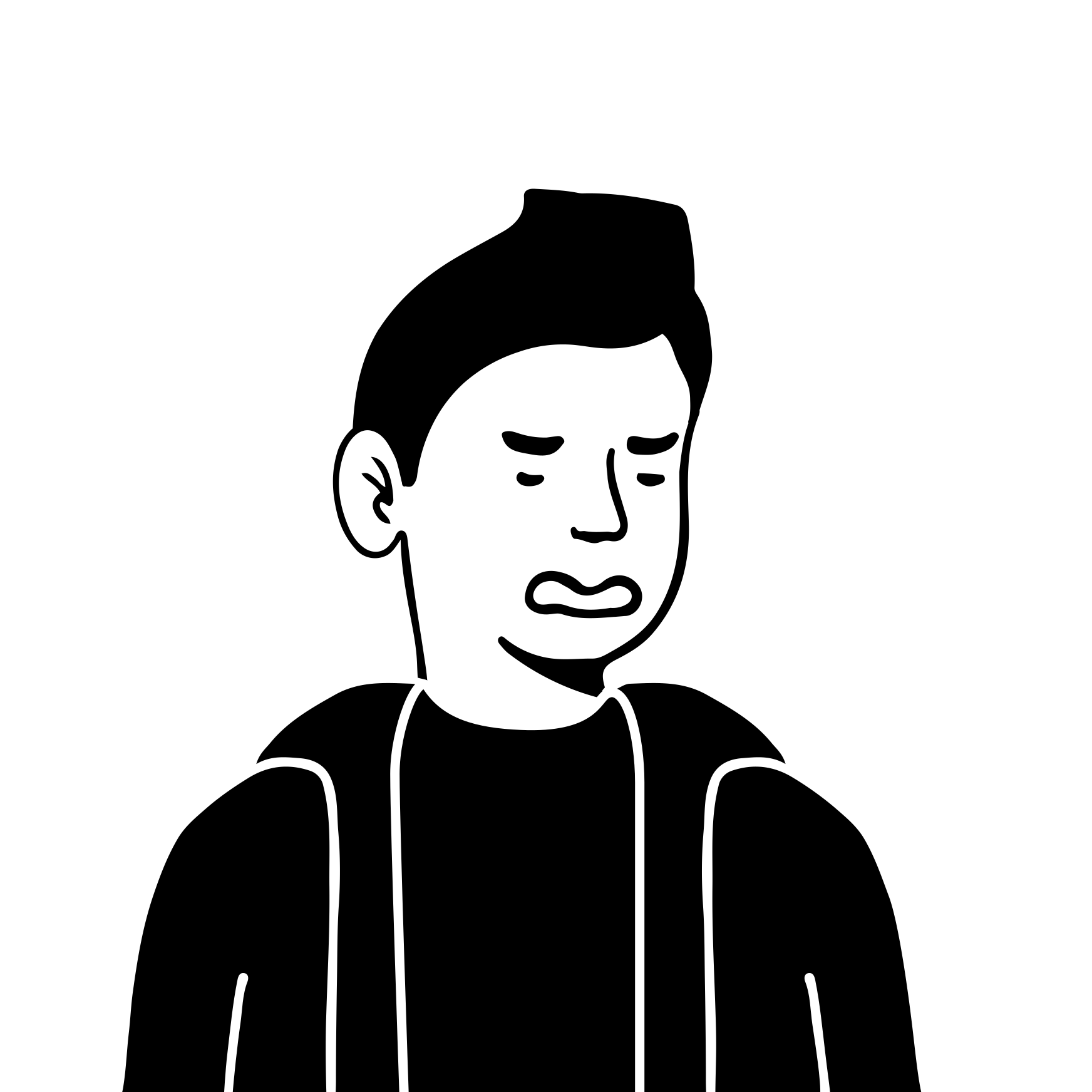

I'm barely keeping my head above water, David. I'll get to it.
Meanings
A square or rectangular container, typically made of cardboard, wood, or metal.
"She packed the old photographs into a cardboard box."
To hit someone or something repeatedly with the fists, especially in a sporting contest.
"The athlete trained hard to box his opponent in the final round."
To engage in the sport of boxing.
"He decided to box professionally after winning the amateur championship."
Collocations & Compounds
cardboard box
Noun collocation: a container made from thick paper
He stored the old books in a cardboard box.
box hedge
Noun collocation: a boundary fence made from evergreen shrubs
The driveway was lined with a perfectly manicured box hedge.
box the ears
Verb collocation: to strike someone on the side of the head
The angry teacher threatened to box the student's ears.
box someone in
Verb collocation: to trap or confine someone in a small space
The defender managed to box in the striker near the corner flag.
box the opponent
Verb collocation: to fight a person in a boxing match
He will box the opponent for twelve rounds tonight.
Etymology
Derived from the Old English "box," which was borrowed from the Latin "buxus," referring specifically to the boxwood shrub. The term for a container evolved from the practice of making small chests and containers out of this dense, durable wood, eventually expanding to describe any rectangular vessel regardless of material.