Note: The translation for this entry is currently under quality review. Some content is temporarily displayed in English only.
rights
/ɹaɪts/
As a noun, it represents an invisible shield of entitlement. It is not merely a permission granted by authority, but often a claim to inherent dignity or legal protection. While 'privilege' is something earned or selectively given, a 'right' is conceptualized as something that belongs to the individual regardless of status. In its verbal form, it evokes the image of physical balance and moral correction. It suggests a movement from a state of disorder, tilt, or injustice back to a stable, upright center. There is a strong connotation of restoration—fixing what was knocked over or correcting a wrong.
💬Casual Conversation
Just a heads up, the new contract limits your creative rights on the logo.
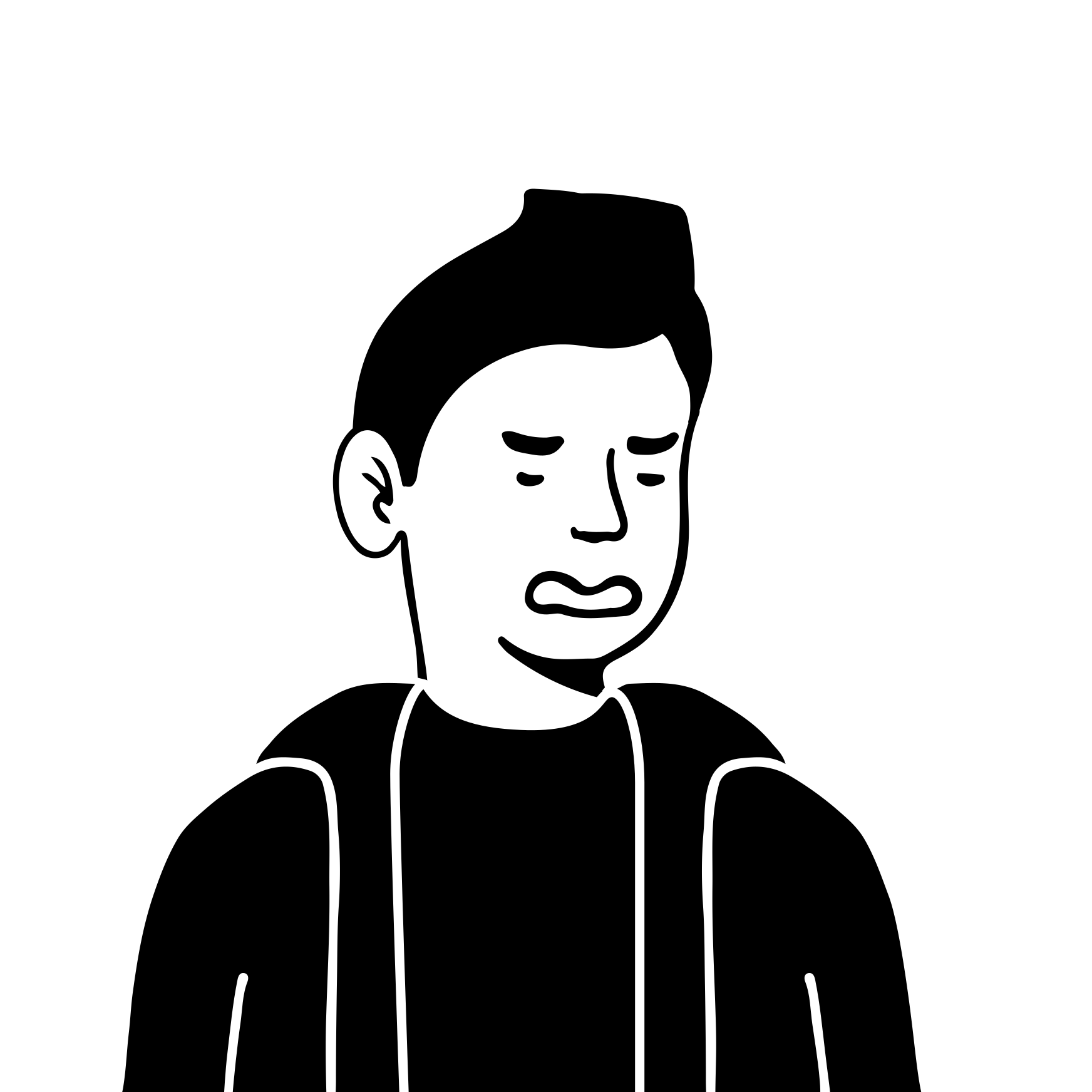

Typical. I'm basically getting shafted for peanuts at this point.
Meanings
Legal, social, or ethical principles of freedom or entitlement; claims to certain privileges.
"The constitution guarantees the fundamental rights of every citizen."