Note: The translation for this entry is currently under quality review. Some content is temporarily displayed in English only.
over
The word conveys a sense of crossing a boundary, whether that boundary is physical space, a limit of quantity, or a point in time. In a spatial sense, it suggests a trajectory that arches above an object or traverses a gap. There is often a feeling of movement from one state or location to another. When referring to completion, it carries a definitive tone of finality. Unlike 'finished', which can imply a task was completed successfully, 'over' often implies the total cessation of an event or relationship. In numerical contexts, it functions as a marker of excess. It is neutral in connotation but serves as a clear threshold indicator.
💬Casual Conversation
Mark, the client call ended ten minutes ago. Is it finally over?
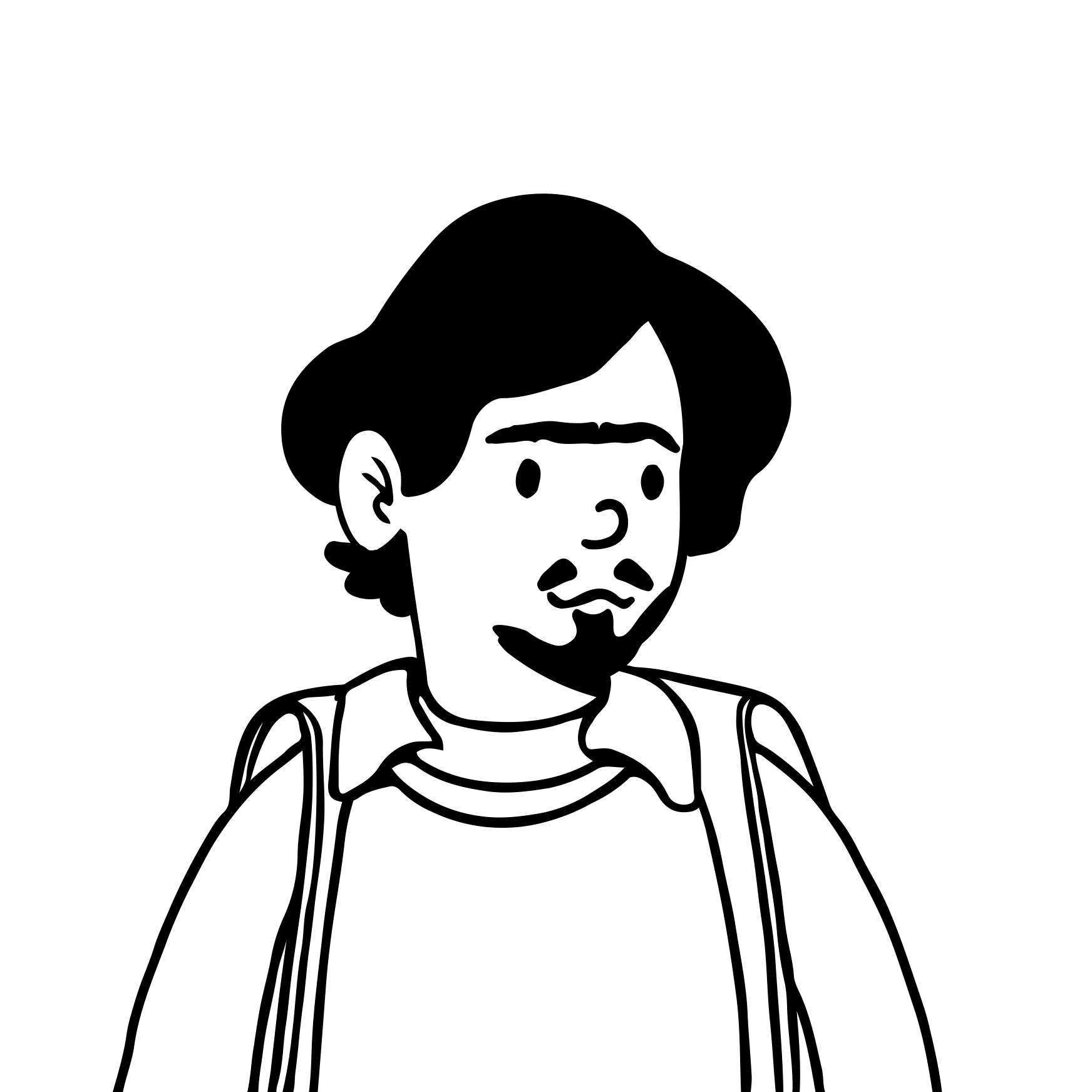
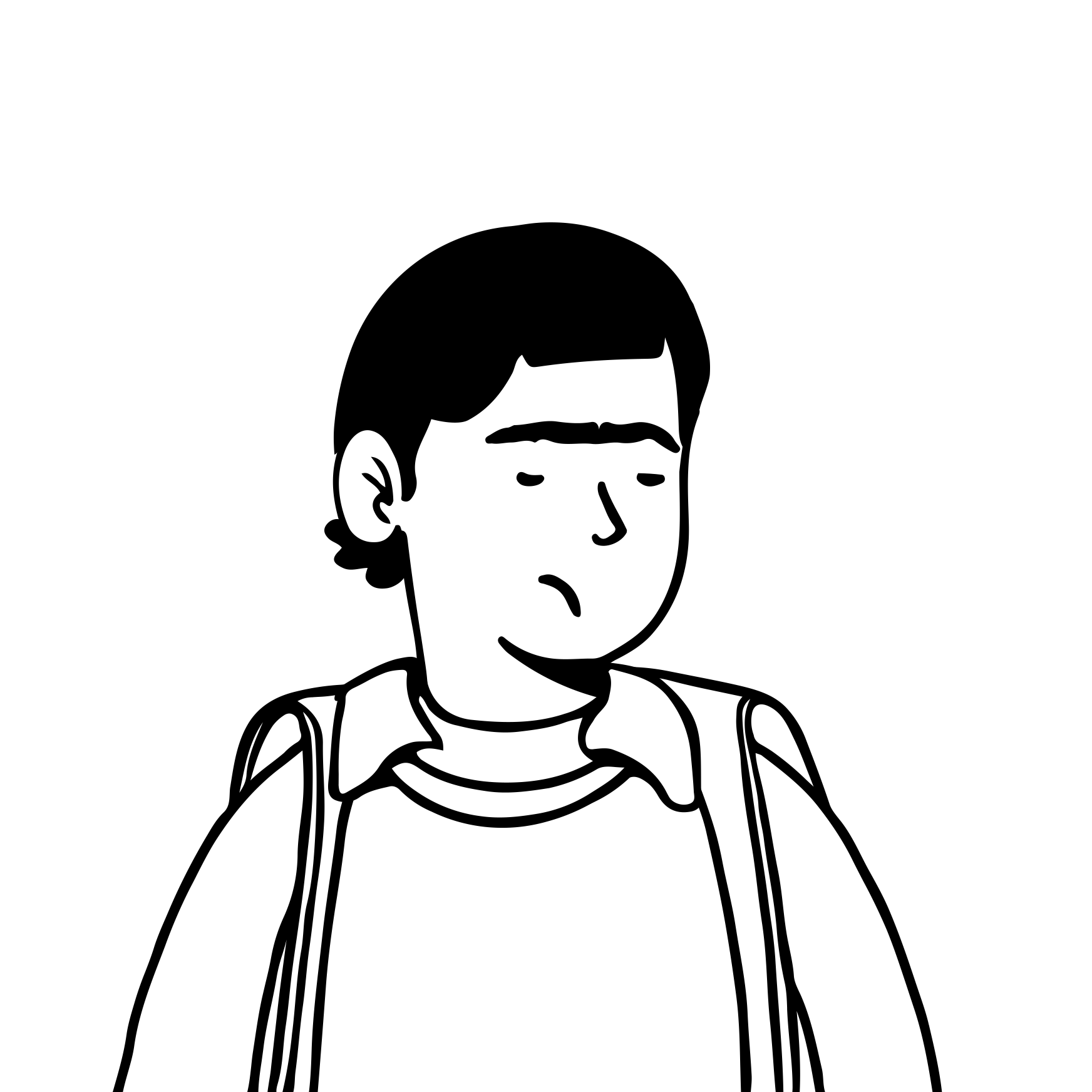
Yeah, totally. I'm just zoning out for a bit before I tackle that report.
Meanings
Extending directly above something or someone, without touching.
"The bird flew over the house."
More than; in excess of a particular amount or number.
"There were over fifty people at the meeting."