fate
Fate carries a heavy, inevitable weight. It suggests an external force—be it divine, cosmic, or systemic—that has already written the conclusion of a story, leaving human agency powerless.
Unlike "destiny," which often feels aspirational, positive, or like a calling one is meant to fulfill, fate frequently leans toward the tragic or the grim. It is the cold machinery of the universe moving toward a fixed point.
When used as an outcome (e.g., "a cruel fate"), it focuses on the finality of the result, often implying that the end was unavoidable and perhaps unfair. As a verb, it describes a structural or predetermined flaw that guarantees failure.
Uncountable when referring to the cosmic force of destiny that governs the universe ('Fate is a cruel mistress'). Countable when referring to the specific end or final outcome for an individual ('The sailors met a tragic fate'.)
💬Casual Conversation
literally ran into my ex at the cafe. it's fate.
literally ran into my ex at the cafe. it's fate.

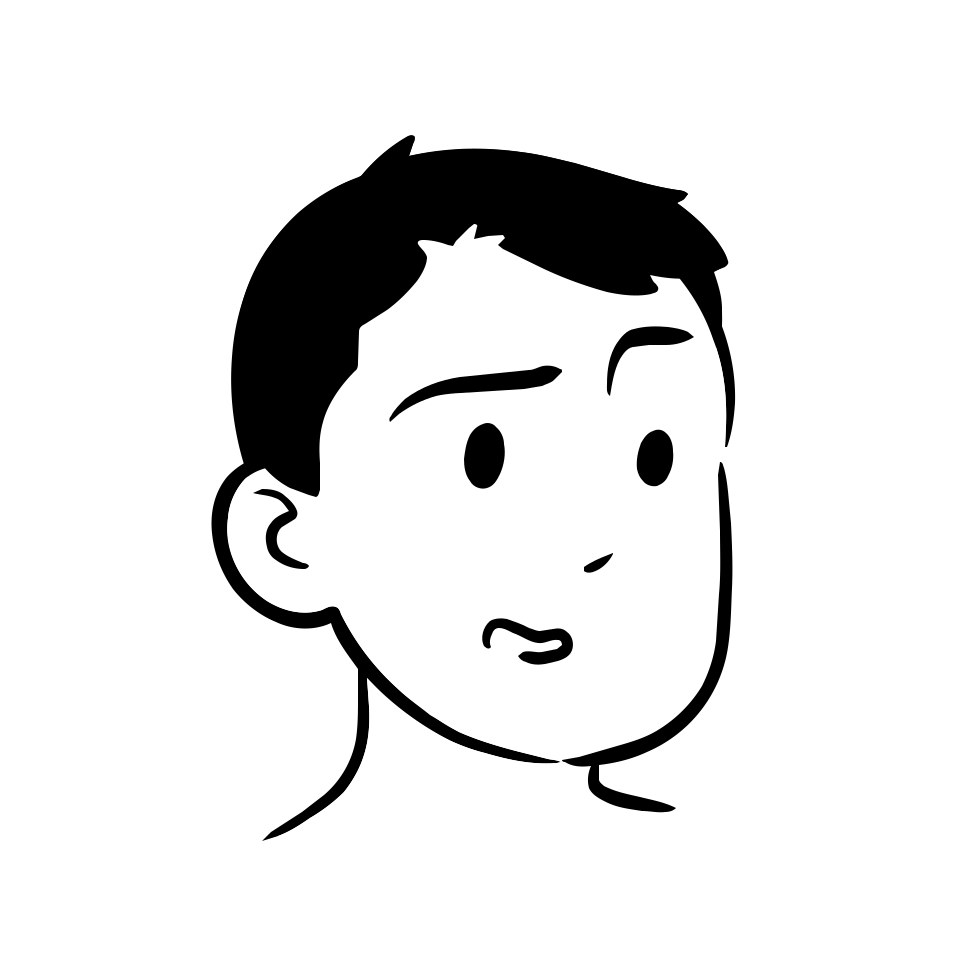
it's not fate, you both just live on the same block. get a grip.
it's not fate, you both just live on the same block. get a grip.