burst
The defining characteristic of this word is a sudden, violent release of pressure—whether physical, emotional, or energetic. It suggests an abrupt transition from containment to explosion. When used physically, it implies a failure of a boundary (like a balloon or a dam) that cannot withstand internal force. This differs from "break," which can be slow or accidental; "burst" is always fast and forceful. In emotional contexts, it describes an overflow of feeling that becomes impossible to suppress. The imagery is of a vessel cracking under the weight of emotion, leading to an immediate and uncontrollable outburst. As a noun, it captures a concentrated spike of intensity. It is characterized by brevity; a "burst" is short-lived but powerful, contrasting with a steady flow or a sustained effort.
Countable when referring to a discrete episode of energy or noise (a burst of laughter). Uncountable when referring to the general act of rupturing.
💬Casual Conversation
If you don't send those slides now I'm actually gonna burst.
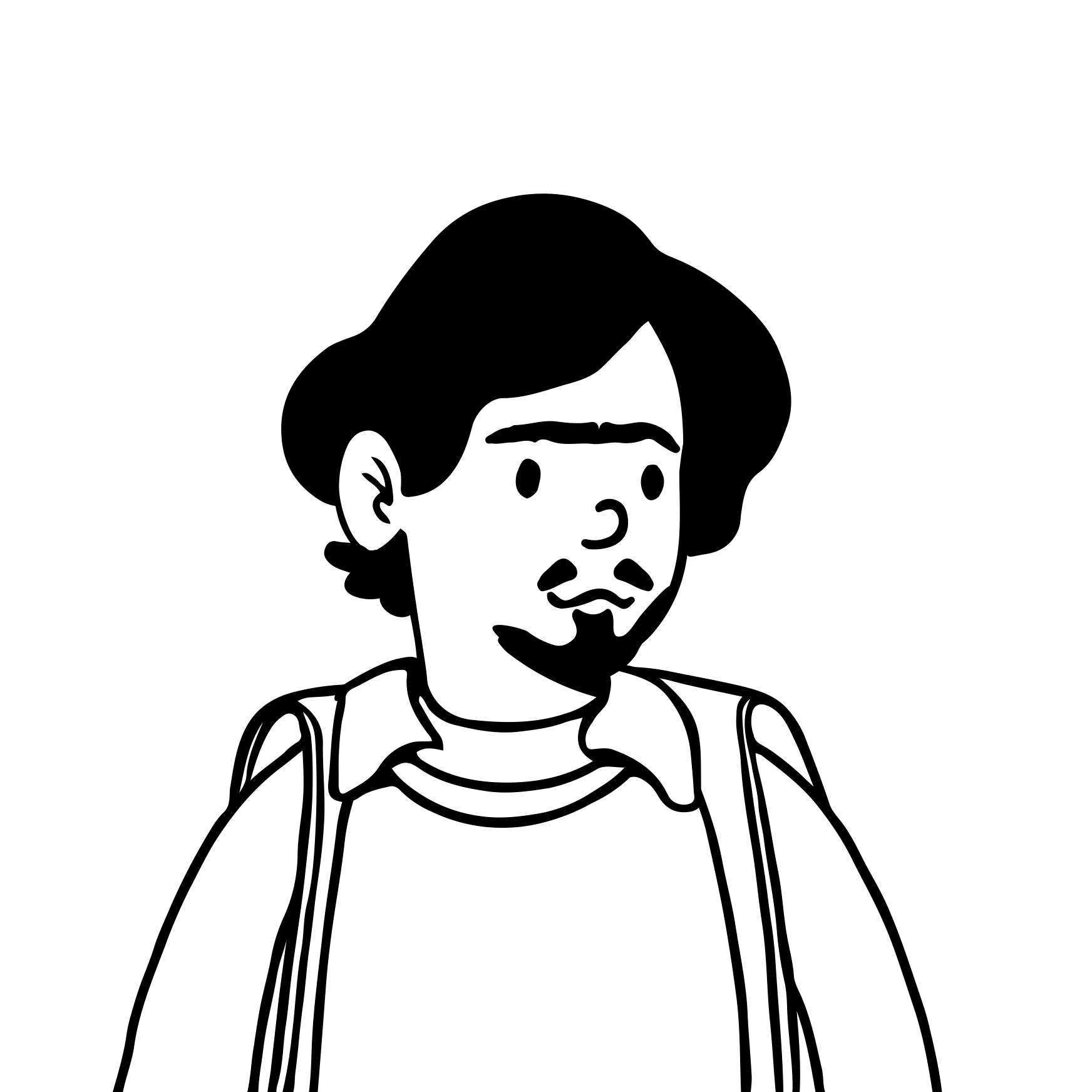
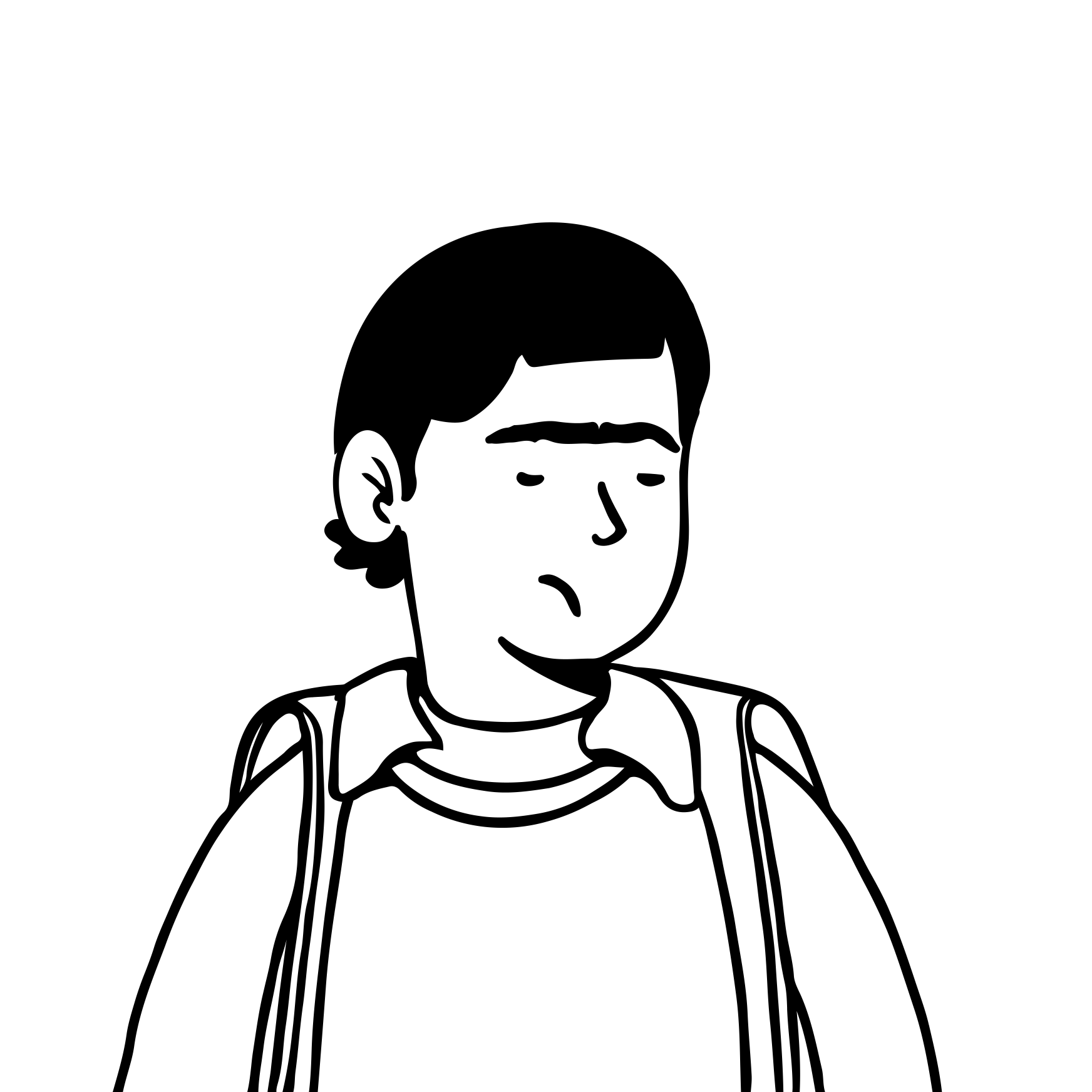
chill, i'm just vibing with the formatting. almost there.
Meanings
To break open or apart suddenly and violently, usually due to internal pressure.
"The balloon burst when it touched the thorn."
To force one's way through a barrier or door suddenly and violently.
"The police burst the door open to enter the building."
To suddenly move or speak with great speed, force, or emotion.
"She burst into tears after hearing the news."
A sudden, intense period of activity, emotion, or energy.
"He experienced a sudden burst of energy and finished the project in one night."
Phrasal Verbs
burst into
to suddenly begin to do something, especially cry or laugh
She burst into laughter when she saw the puppy.
burst out
to suddenly start speaking or laughing
He burst out laughing during the serious meeting.
burst through
to force one's way through a barrier violently
The crowd burst through the gates to see the star.