off
/ɔːf/
The primary image is one of separation, disconnection, or departure from a point of contact. It describes the movement from 'on' to 'away'. When applied to technology or power, it signifies a state of inactivity or a broken circuit. Unlike 'stopped', which implies a pause in motion, 'off' suggests a complete termination of flow or connection. In the context of food, it carries a subtle, negative connotation of decay. It is often used as an understatement ('a bit off') to describe something that has begun to spoil without being completely rotten.
💬Casual Conversation
The projector is still off. Please tell me you didn't blow a fuse.
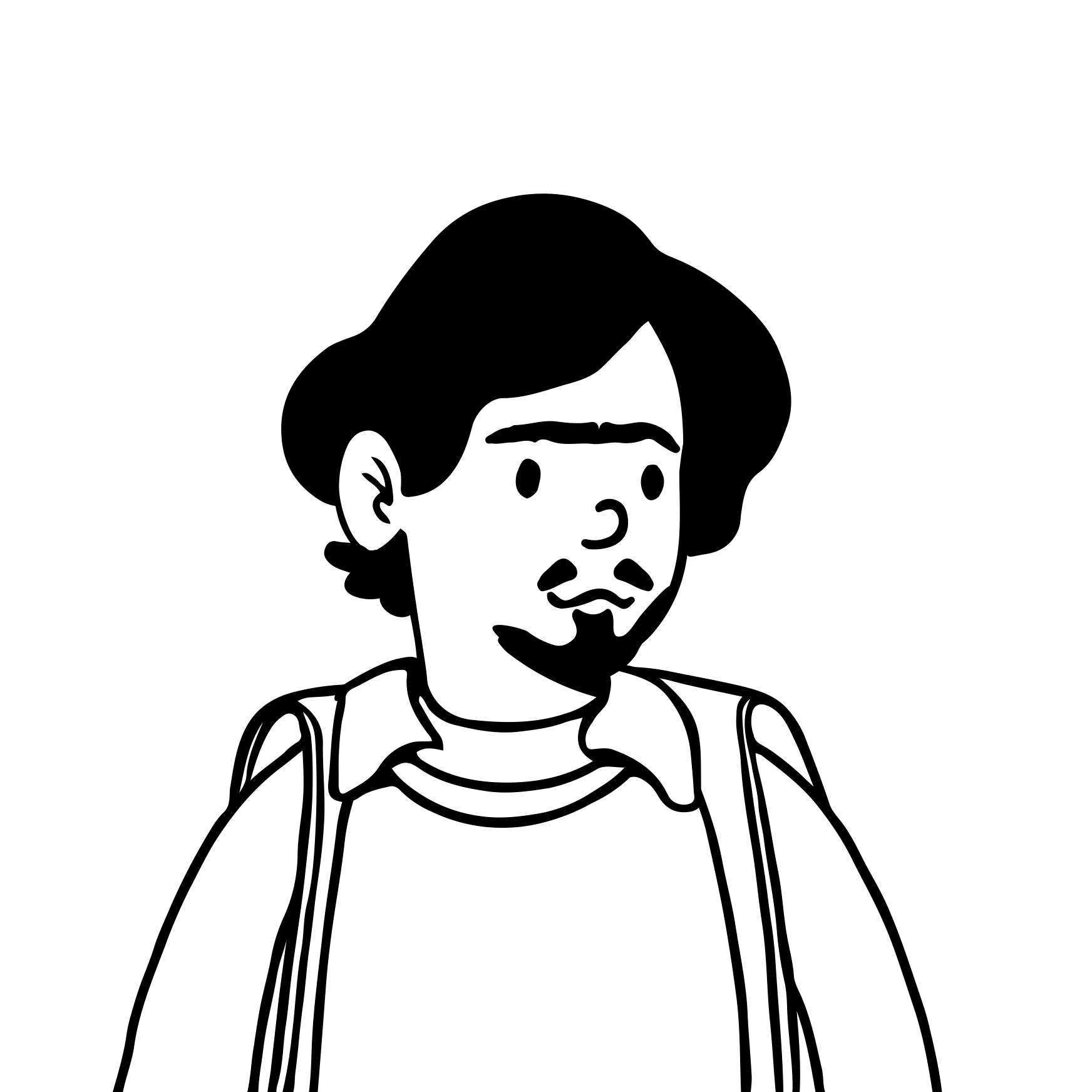
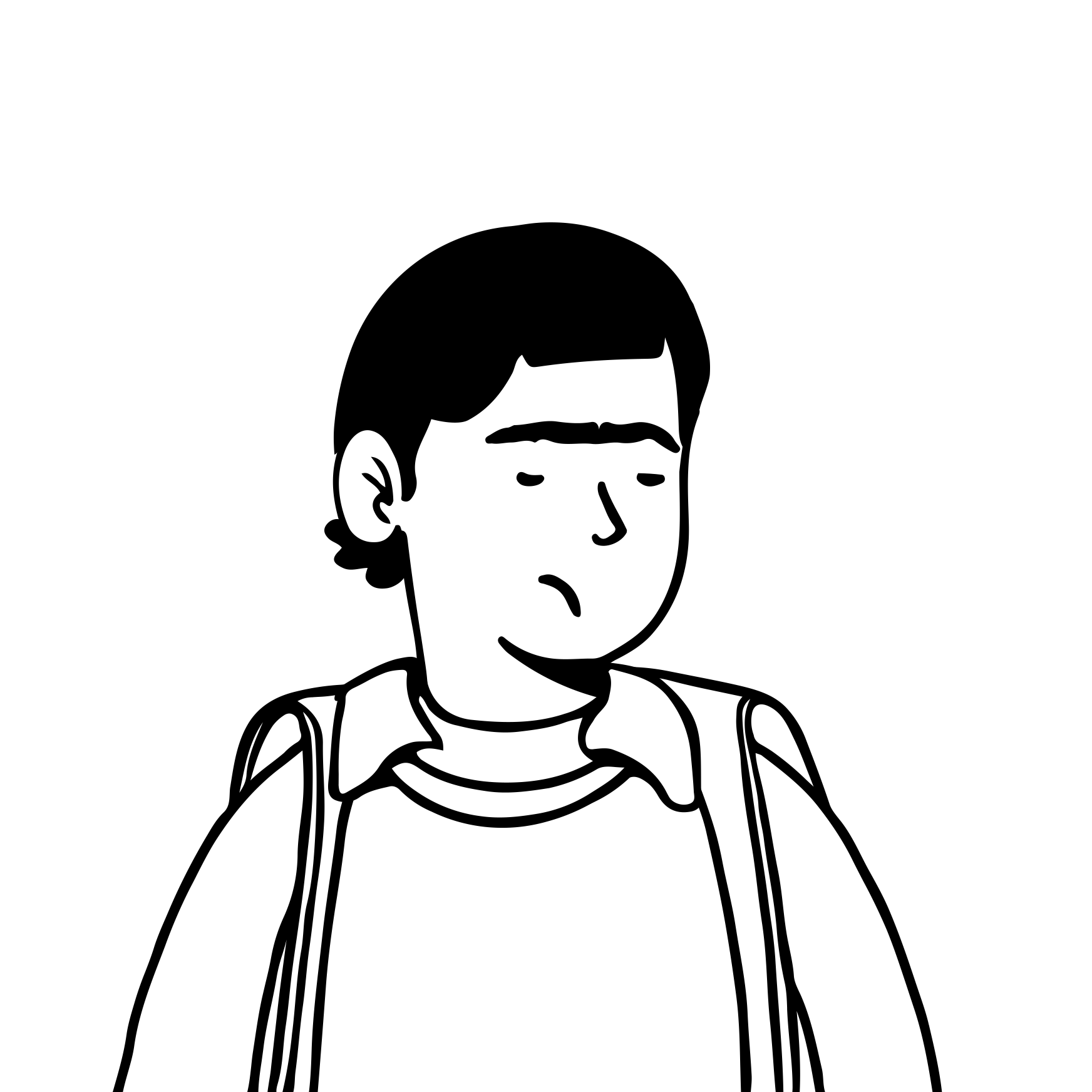
Chill, Jess. I'm just zoning out for a sec.
Meanings
Not functioning or not operating; disconnected from a power source
"Please make sure the lights are off before you leave."
Etymology
Derived from the Old English word of, which functioned as a preposition meaning away or from. It evolved from the Proto-Germanic root ab, which indicated separation or removal. Over centuries, the term expanded from a simple spatial preposition to a versatile adverb and adjective used to describe states of inactivity or decay.