zone
The word evokes a sense of boundary and containment. As a noun, it describes a space defined by rules, functions, or characteristics rather than natural geography. It feels more administrative or technical than 'area' or 'region'. In its transitive verb form, it carries a bureaucratic weight, implying the exercise of authority to organize land use. As an intransitive verb (typically with 'out'), it describes a psychological shift where the external world fades away. This can be negative (boredom/disassociation) or positive (deep flow state), though it usually implies a lack of conscious attention to one's immediate surroundings.
Used to describe distinct, defined areas such as a 'no-parking zone' or a 'time zone'.
💬Casual Conversation
Mark, please focus. Are you even listening to the synergy update?
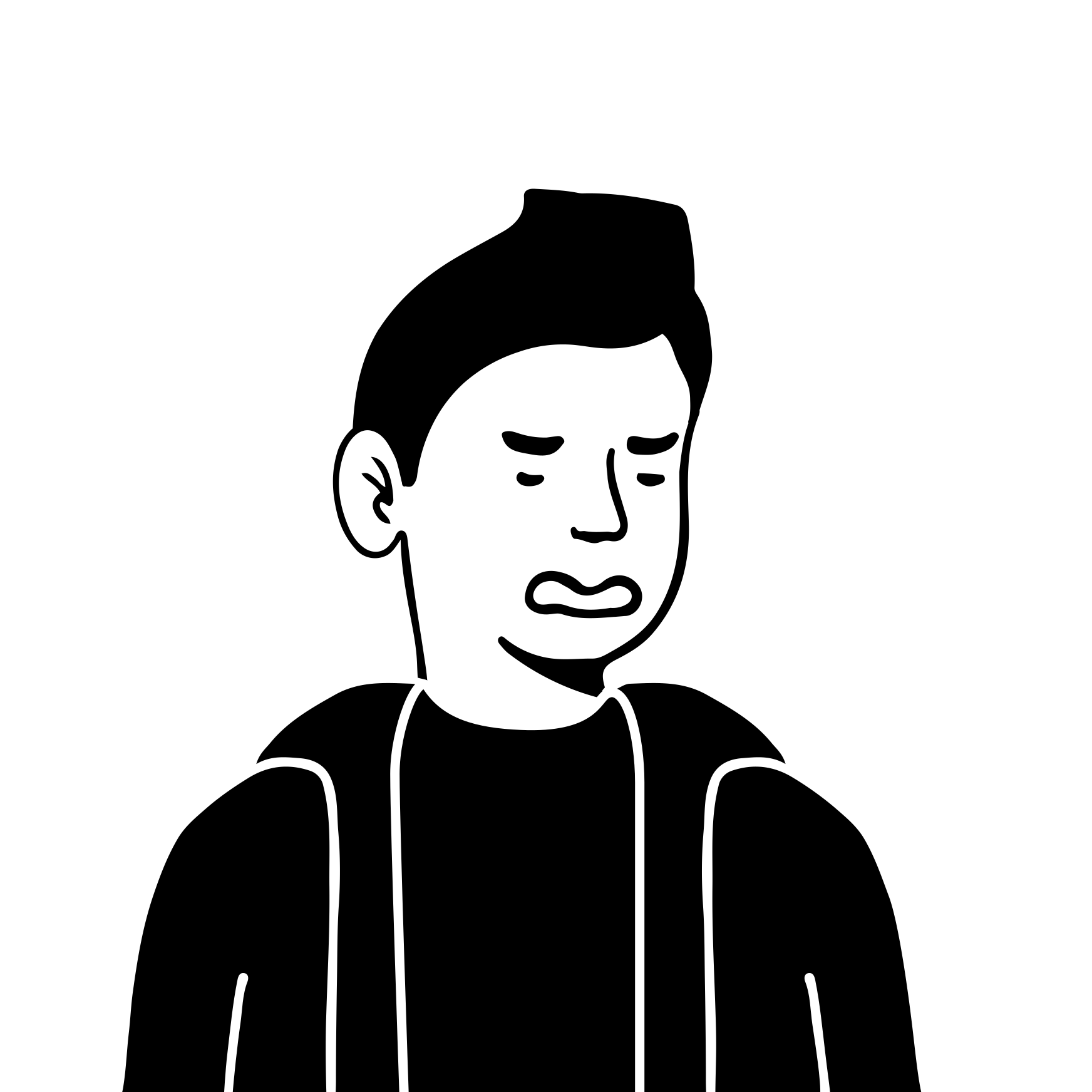
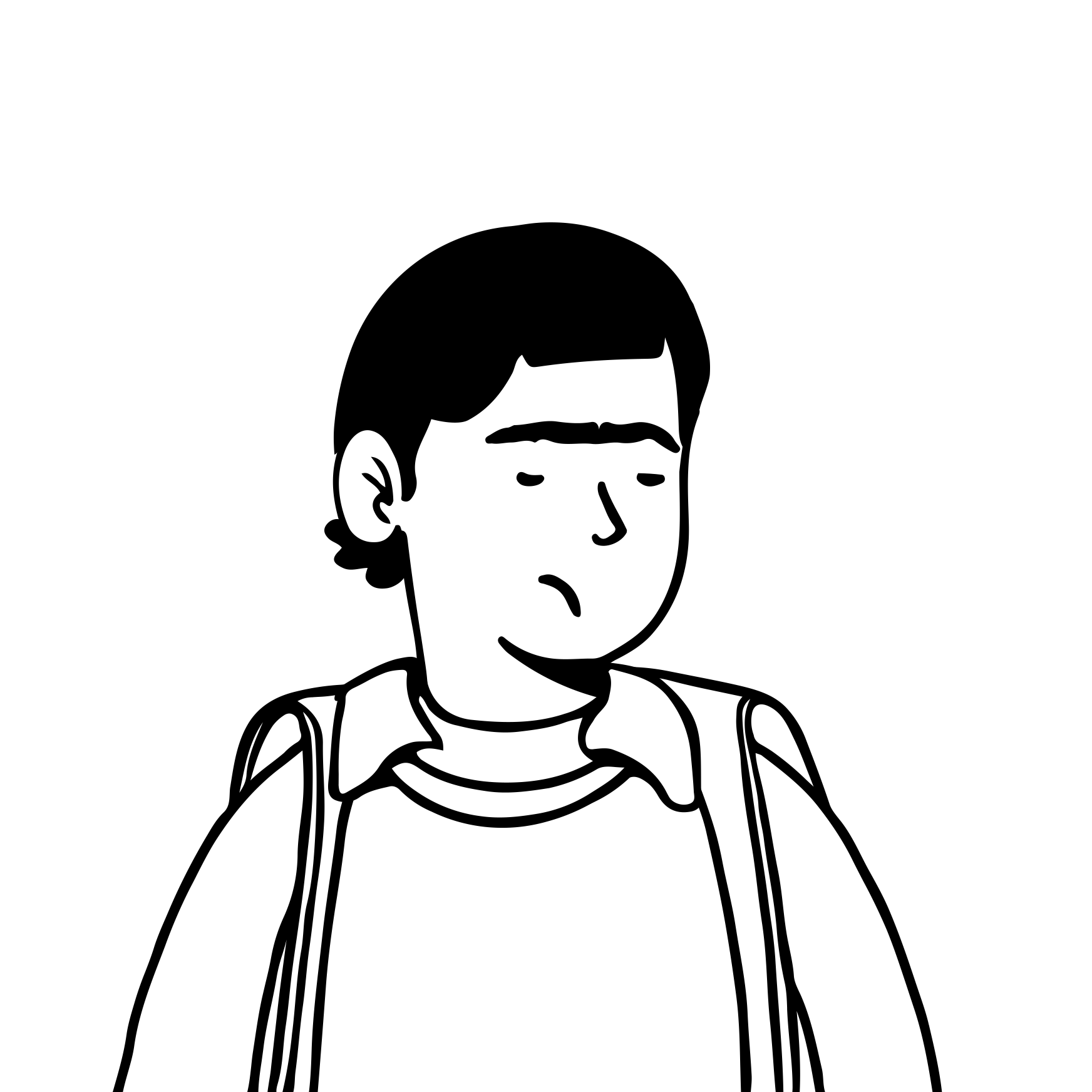
my bad boss, totally zoned out for a sec.
Meanings
An area or region distinguished from others of surrounding areas by a particular characteristic.
"The city has established a low-emission zone to reduce pollution."