square
A geometric shape defined by four equal sides and right angles, embodying balance, stability, and rigidity. Unlike a circle, which suggests fluidity or infinity, the square conveys a sense of containment and structure. In social contexts, it describes someone conventional, old-fashioned, or lacking in style. This usage carries a negative connotation of being boring or out of touch with modern trends, often used as a contrast to being "hip" or "edgy." As an adjective for honesty or fairness (e.g., "a square deal"), it suggests transparency and equity. It evokes the image of a level playing field where no one has an unfair advantage. In mathematical contexts, it refers to the product of a number multiplied by itself, representing a leap in magnitude or a two-dimensional expansion.
Countable when referring to a geometric shape or a public plaza. Uncountable when referring to the mathematical concept of squaring a number.
💬Casual Conversation
Dad, that app is so cringe.
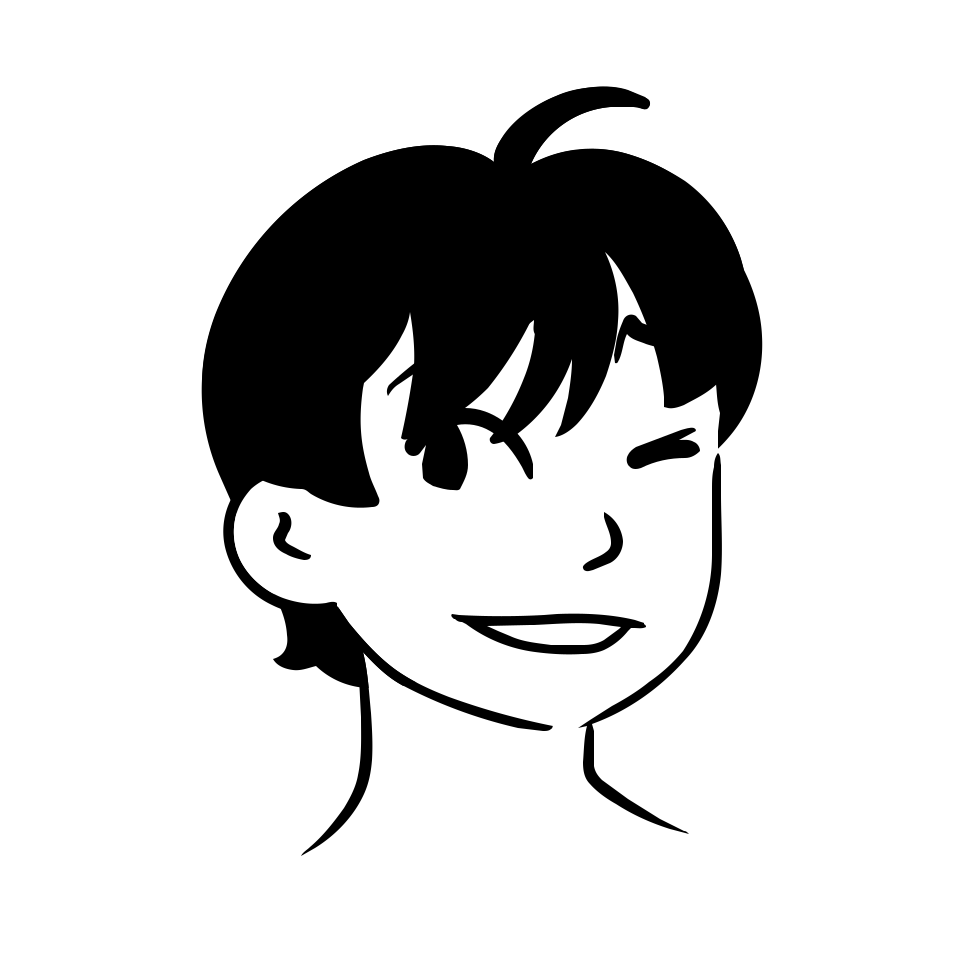
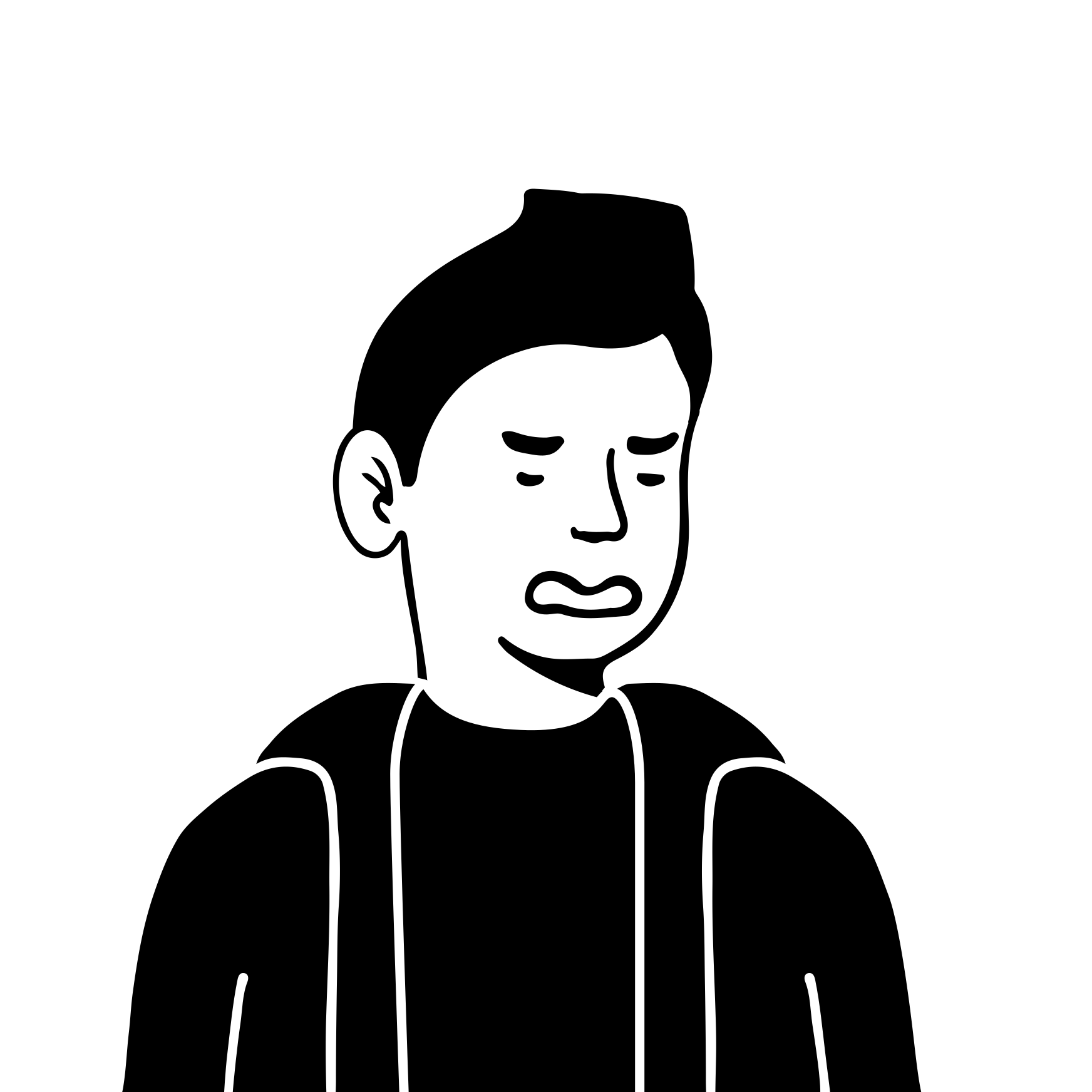
Cringe? What's wrong with it? Don't be such a square, Chloe.
Meanings
A plane figure with four equal straight sides and four right angles.
"The children played in a small square drawn on the pavement."
An open area or public space in a city, usually four-sided, surrounded by buildings.
"The protesters gathered in the town square to voice their concerns."
A tool consisting of an L-shaped piece of metal or wood used for marking right angles.
"The carpenter used a try square to ensure the edge was perfectly perpendicular."
A person who is conventional, old-fashioned, or lacks imagination.
"My parents think I am a total square because I don't like loud parties."
To make something square or rectangular.
"He had to square the edges of the timber before joining them."
To settle a debt or an account.
"We need to square the bill before we leave the restaurant."
To make something consistent or compatible with something else.
"She struggled to square her religious beliefs with her scientific research."
Etymology
Derived from the Old French word "esquarre," which traces back to the Vulgar Latin "exquadra," originating from the Latin "quadra" meaning a square piece of stone or timber, and further rooted in "quadrus" meaning four-cornered. This linguistic path reflects the word's primary association with geometry and construction tools used to ensure right angles.