environment
/-mɪnt/
In its ecological sense, the word carries a heavy weight of responsibility and urgency. It often appears in contexts of crisis, preservation, and ethics, shifting from a neutral description of nature to a call for protection against human degradation. When used to describe surroundings, it refers more to the 'vibe' or quality of a space than its physical architecture. It encompasses social, emotional, and professional atmospheres that shape behavior or growth. Unlike 'setting' (which is often static or narrative) or 'habitat' (which is biological), environment implies an interactive relationship where the surroundings actively influence the entity within them.
Uncountable when referring to the global natural world and ecological systems ('Save the environment'). Countable when describing a specific setting or atmosphere, such as a 'stressful work environment' or a 'safe learning environment'.
💬Casual Conversation
I can't focus. This office environment is totally toxic today.
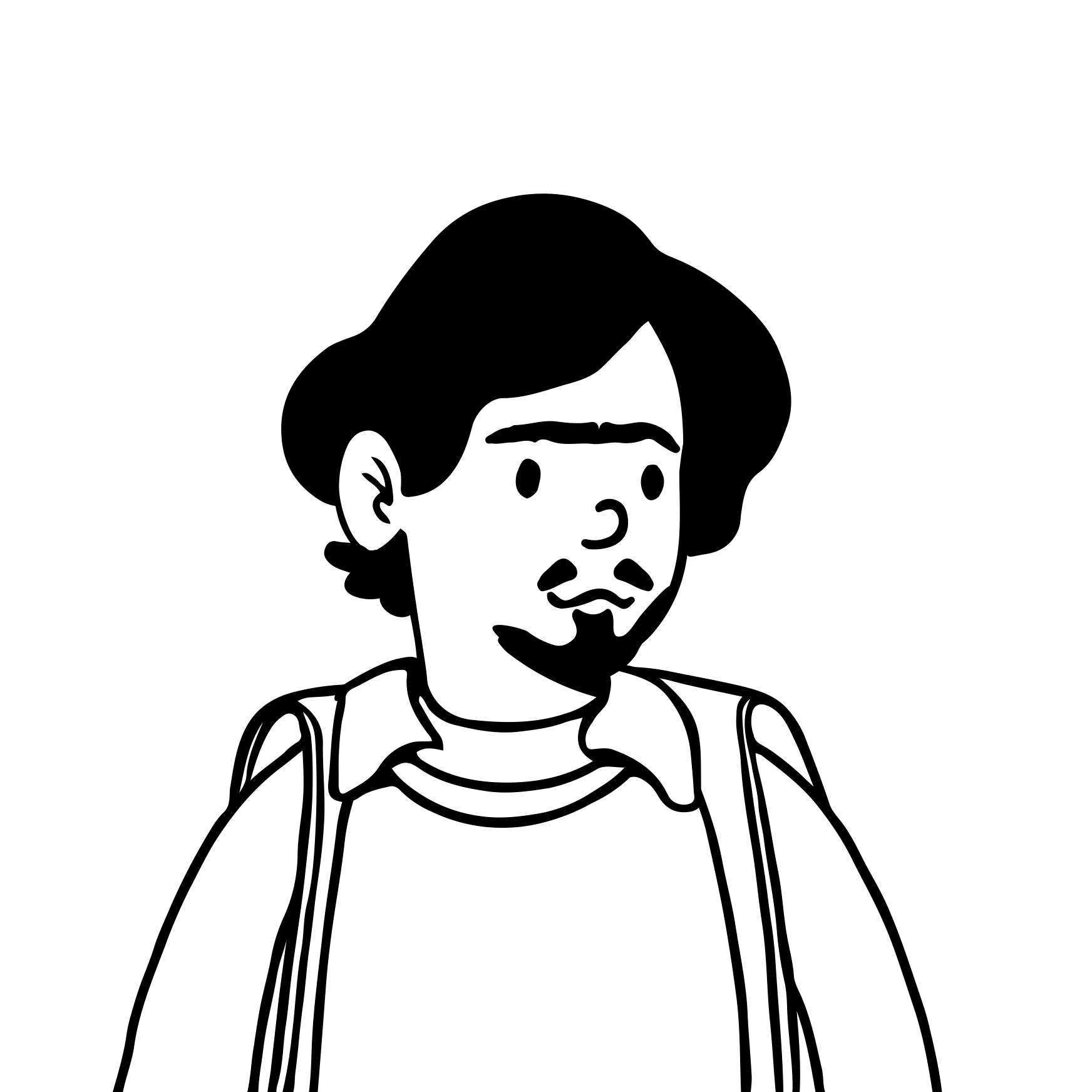
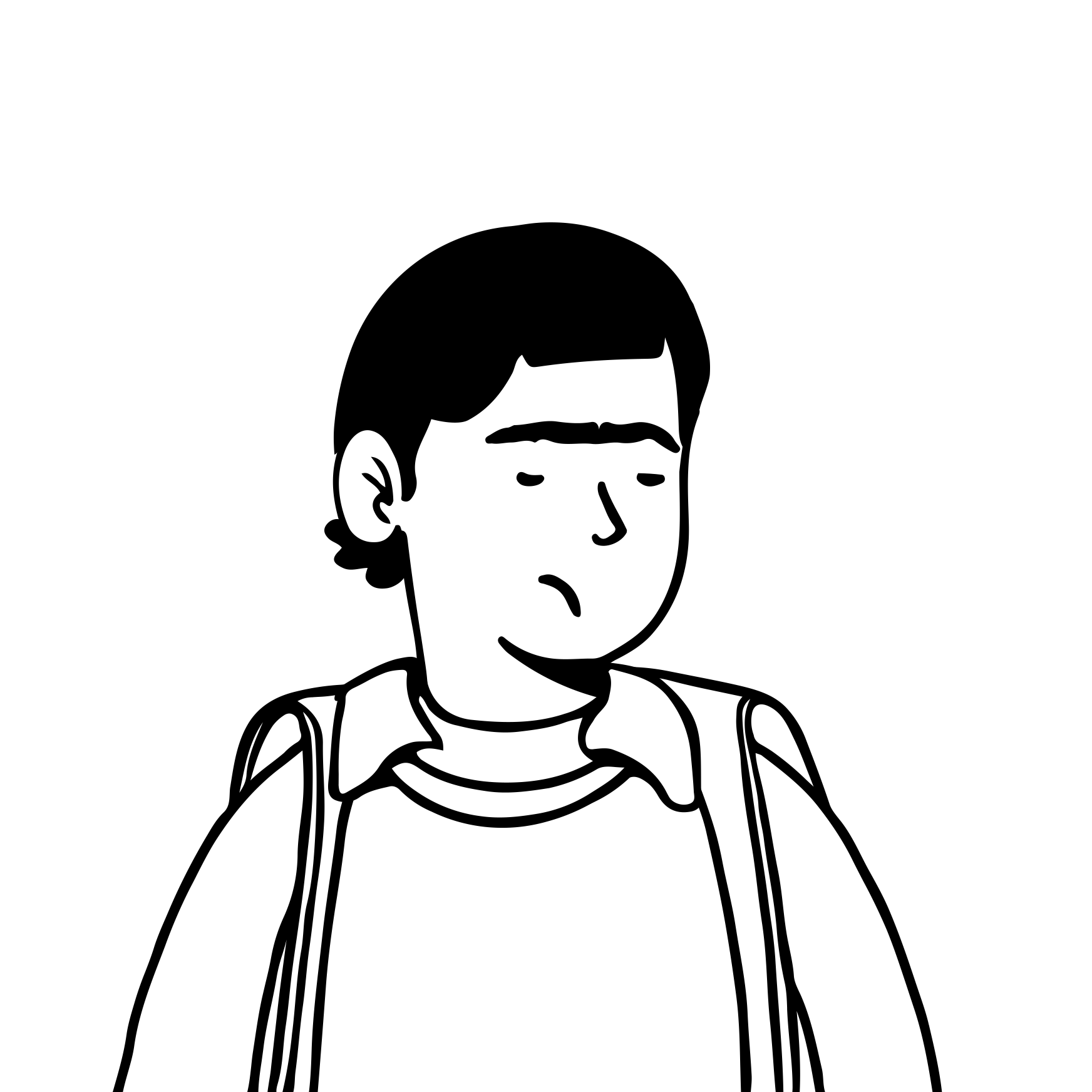
Chill out. Just vibe with it, it's not that deep.
Meanings
Collocations & Compounds
natural environment
Noun collocation: the physical world including plants, animals, and landscapes
The wildlife preserve protects the natural environment from urban sprawl.
working environment
Noun collocation: the physical and social conditions of a workplace
A positive working environment increases employee productivity and morale.
learning environment
Noun collocation: the atmosphere and surroundings where education takes place
The teacher worked hard to create a supportive learning environment for her students.
protect the environment
Verb collocation: to prevent damage to the natural world
Governments are implementing new laws to protect the environment from industrial waste.
improve the environment
Verb collocation: to make the surrounding conditions better or healthier
Planting more trees in the city center helps to improve the environment for residents.
Etymology
Derived from the Old French word environner, meaning to surround or enclose, which stems from the Vulgar Latin inronder. The term entered English in the early 17th century initially to describe the physical surroundings of a person or place before evolving in the 19th and 20th centuries to encompass the broader ecological and biological systems of the planet.