violent
/ˈvaɪ(ə)lənt/
The word conveys a sense of explosive energy that breaches normal boundaries of control. Whether applied to people, nature, or emotions, it suggests an intensity that is destructive or overwhelming. In a human context, it carries a heavy negative connotation of brutality and malice, distinguishing it from "aggressive," which can sometimes be neutral or proactive. It implies a crossing of the line from tension into actual physical harm. When describing nature or reactions, the focus shifts to raw power and suddenness. A "violent storm" is not just strong; it is chaotic and damaging. A "violent reaction" suggests an instinctive, visceral surge of emotion that overrides reason.
💬Casual Conversation
Leo, your mom says that game you're playing is way too violent. Cut it out.
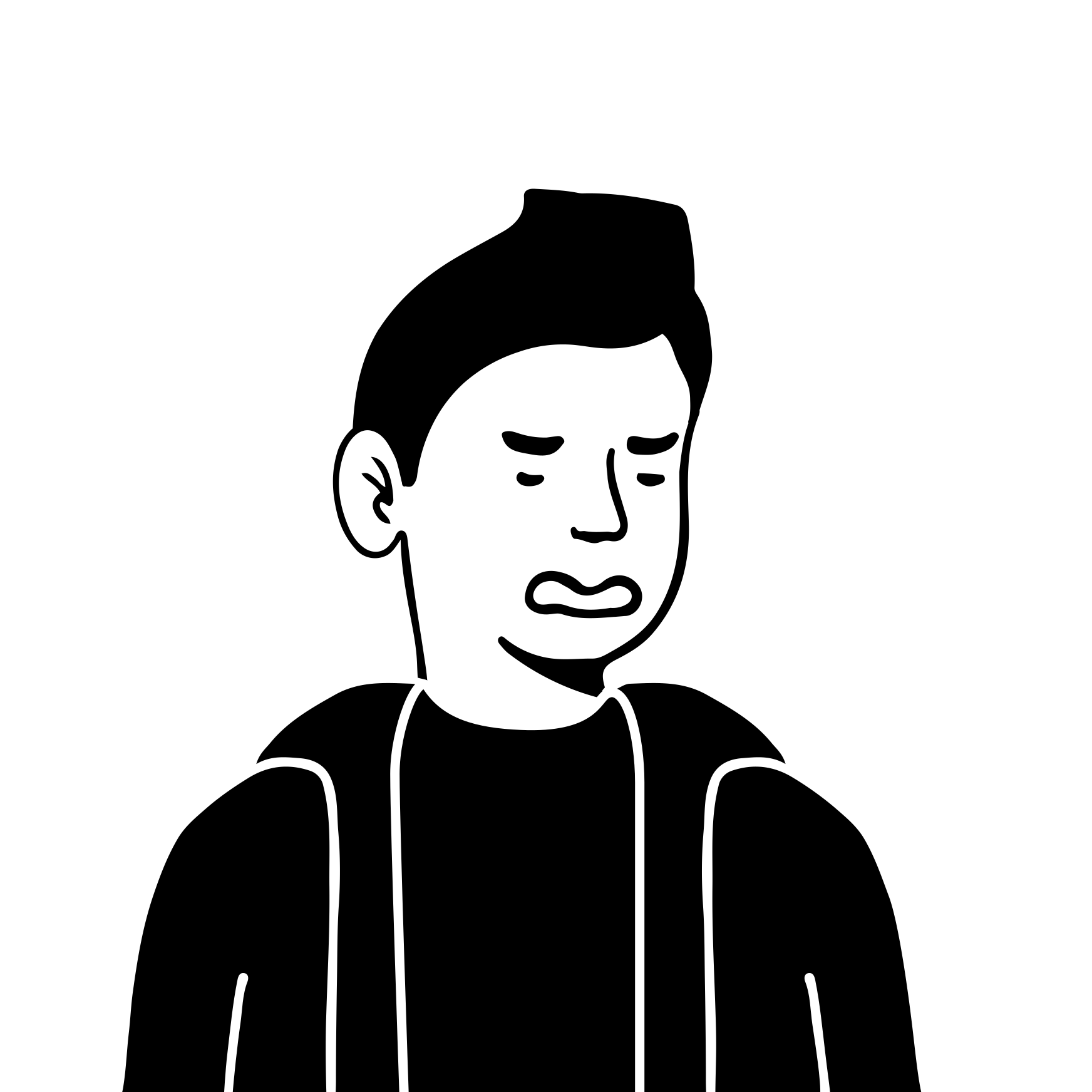

it's literally just blocks dad. you're capping.
Meanings
Using or involving physical force intended to hurt, damage, or kill.
"The protesters became violent after the police arrived."
Having great force or intensity; sudden and powerful.
"A violent storm ripped through the coastal village."
Characterized by strong, uncontrolled emotion.
"She had a violent reaction to the news of the merger."