transitory
Describes something that is passing or fleeting. It suggests a state of transition where the current condition is an exception or a temporary phase rather than a permanent fixture. It carries a more formal, clinical, or philosophical tone compared to 'temporary'. While 'temporary' often refers to a planned duration (like a temporary job), 'transitory' often describes a natural quality of existence or an emotional state that cannot be held onto. Often used in economic contexts (e.g., 'transitory inflation') or spiritual discussions regarding the nature of earthly life, emphasizing that the subject is destined to fade or change.
💬Casual Conversation
this vibe is so transitory. david's gonna blow a fuse any sec.
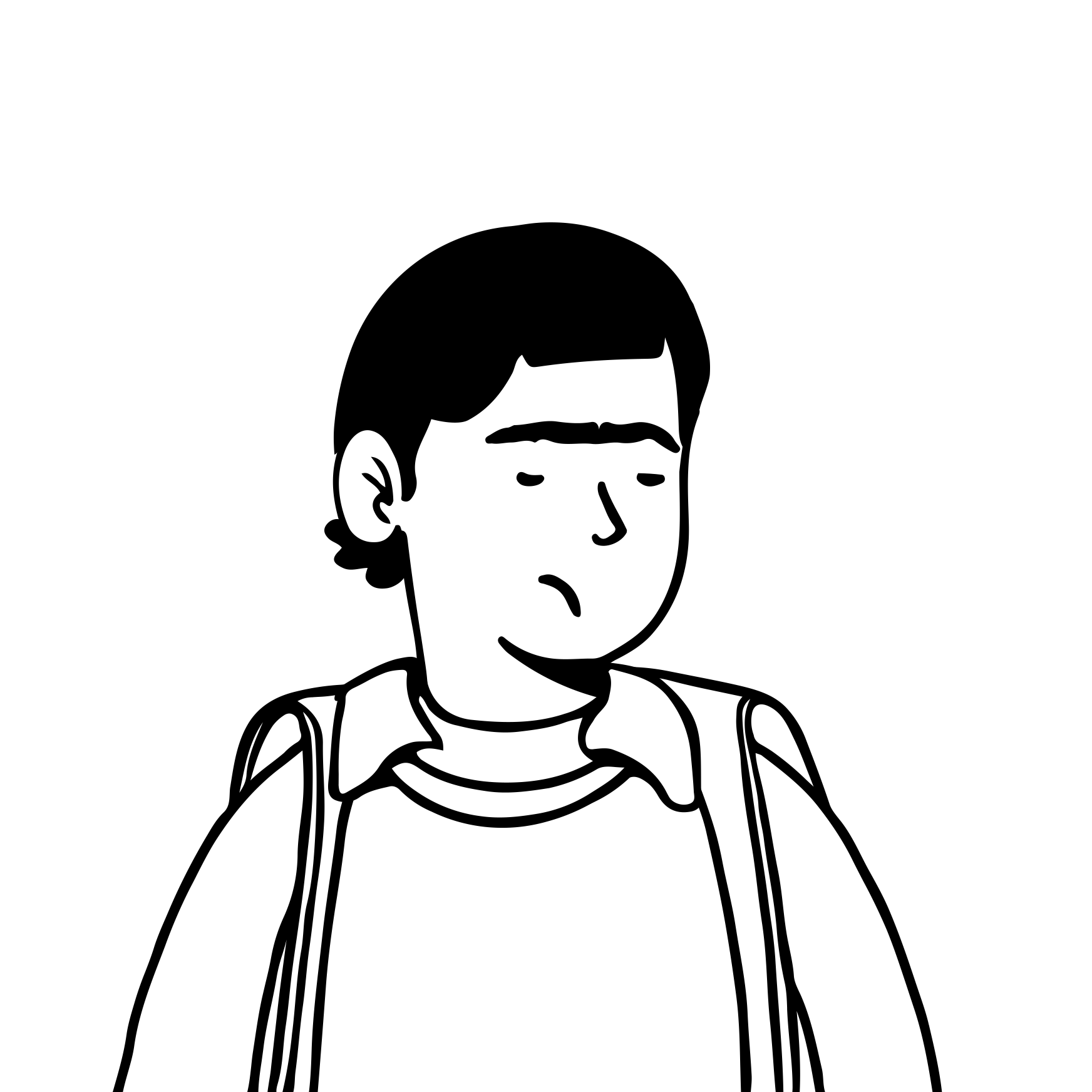

he already has. just keep playing dumb.
Meanings
Etymology
Derived from the Latin word transitorius, which stems from transitus, meaning a passing over or crossing. This is further rooted in the verb transitus, the past participle of transire, combining trans meaning across and ire meaning to go. The term entered English in the late 16th century to describe things that are fleeting or in a state of passage.