stiff
The primary image is one of resistance to movement or flexibility, whether physical, emotional, or systemic. It suggests a lack of "give" or fluidity. Physically, it describes materials that resist bending or muscles locked in tension. Unlike "rigid," which can imply a permanent state, "stiff" often implies a temporary condition (like a stiff neck) or a quality that can be broken in over time (like leather). Socially, it carries a negative connotation of awkwardness and artificiality. A "stiff" person is someone who cannot relax, making them seem cold or robotic compared to someone "natural" or "easygoing." When applied to penalties or competition, it implies a harsh, uncompromising force. A "stiff breeze" or a "stiff penalty" suggests something that hits hard and resists easy mitigation.
💬Casual Conversation
my neck is so stiff from staring at this screen for 6 hours. help.
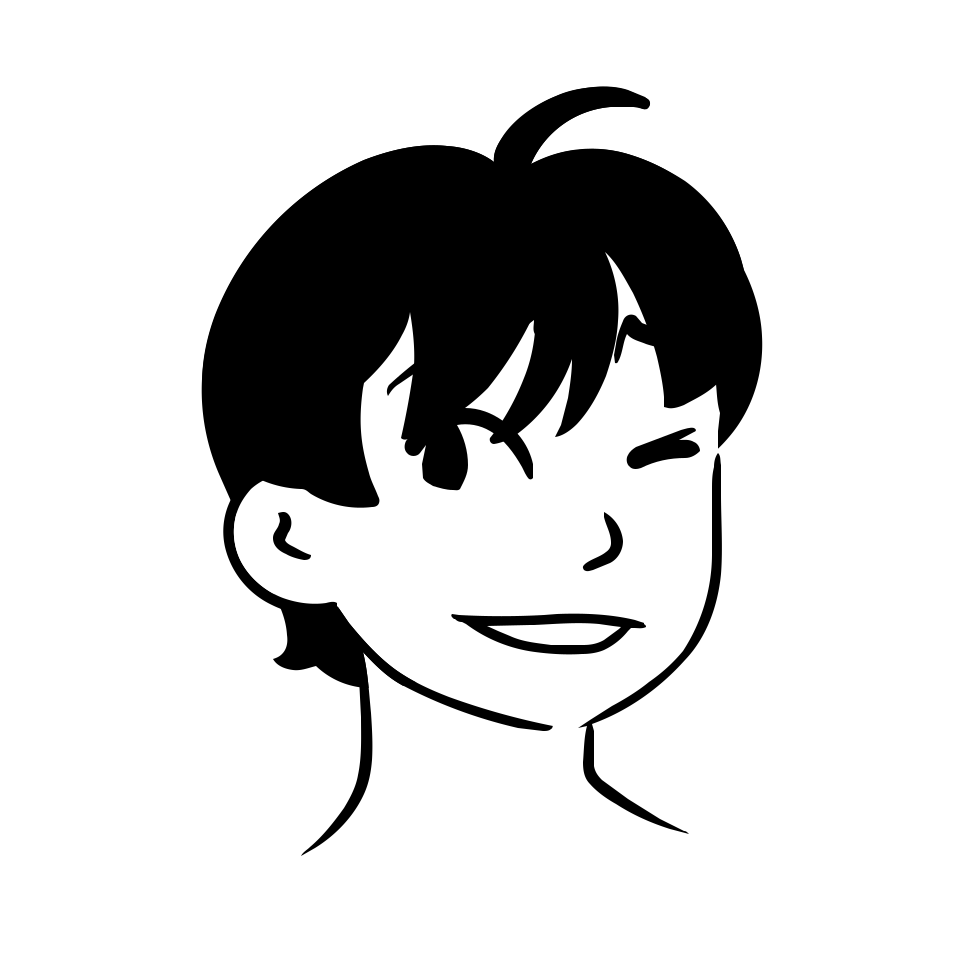
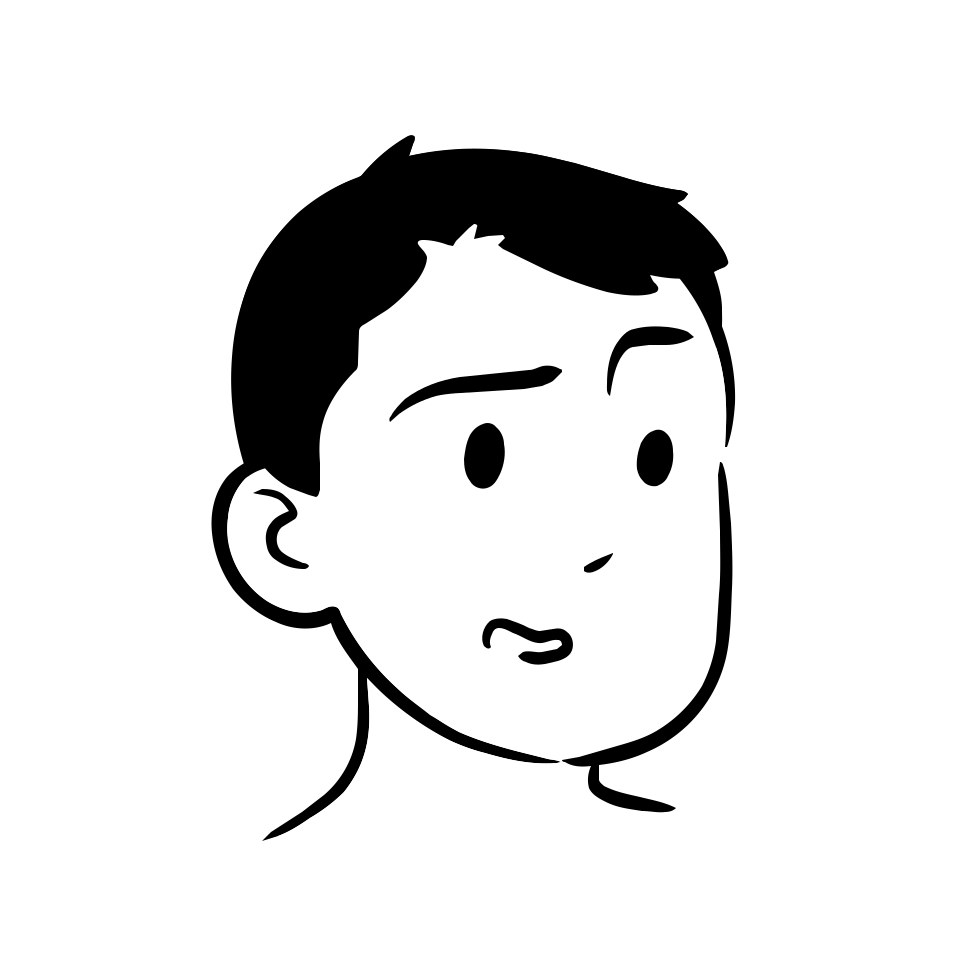
maybe stop doomscrolling and actually finish the draft for once.
Meanings
Not easily bent or changed in shape; rigid.
"The new leather boots are very stiff and cause blisters."
Difficult to move or bend, often due to pain, tension, or lack of exercise.
"My neck feels stiff after sleeping in an awkward position."
Formal and unnatural in manner or behavior.
"The conversation was stiff and awkward during the first date."
Very severe, demanding, or difficult to endure.
"The judge handed down a stiff penalty for the crime."
Strong or highly concentrated, especially referring to a drink or a breeze.
"He poured himself a stiff drink to calm his nerves."
Difficult to move or operate smoothly.
"The gear shift in the old car is quite stiff."
A person who is formal, rigid, or lacks spontaneity.
"He is a bit of a stiff and never tells any jokes."