season
The word centers on the concept of timing and preparation. As a noun, it describes cycles—both natural (weather) and human-made (sports or tourism). It evokes a feeling of predictability and periodicity. When used as a verb for food, it implies an act of refinement and enhancement rather than just adding ingredients. It is about achieving a balance of flavor. In the context of materials like cast iron, it refers to a protective maturation process. Similarly, when applied to people, it suggests a transformation from raw or naive to resilient and skilled through exposure to hardship or experience.
Countable whether referring to the natural calendar divisions (Spring, Summer, etc.) or specific periods of activity (like 'the holiday season' or 'baseball season').
💬Casual Conversation
Yo, did you catch the new season of that cyber show? It just dropped.
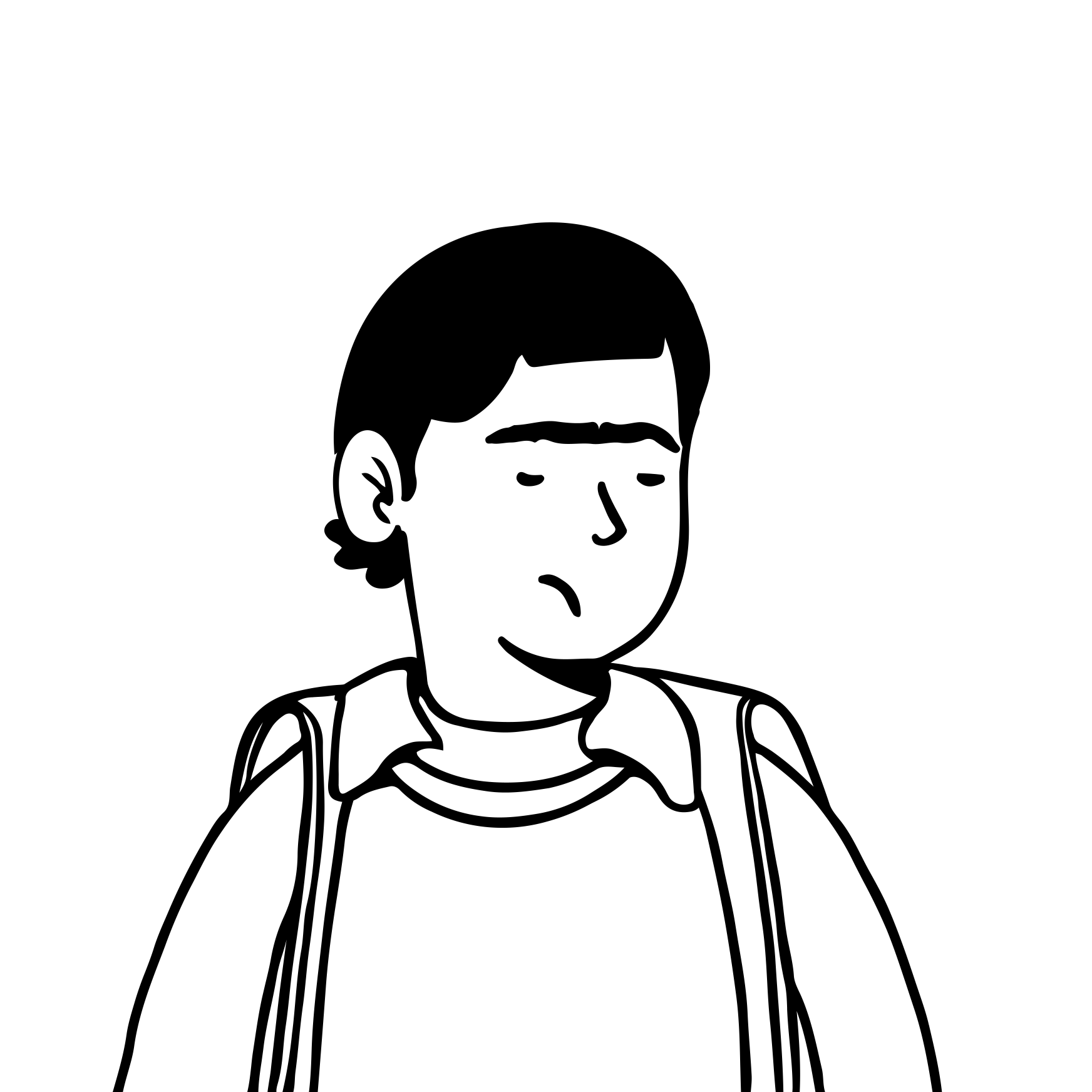
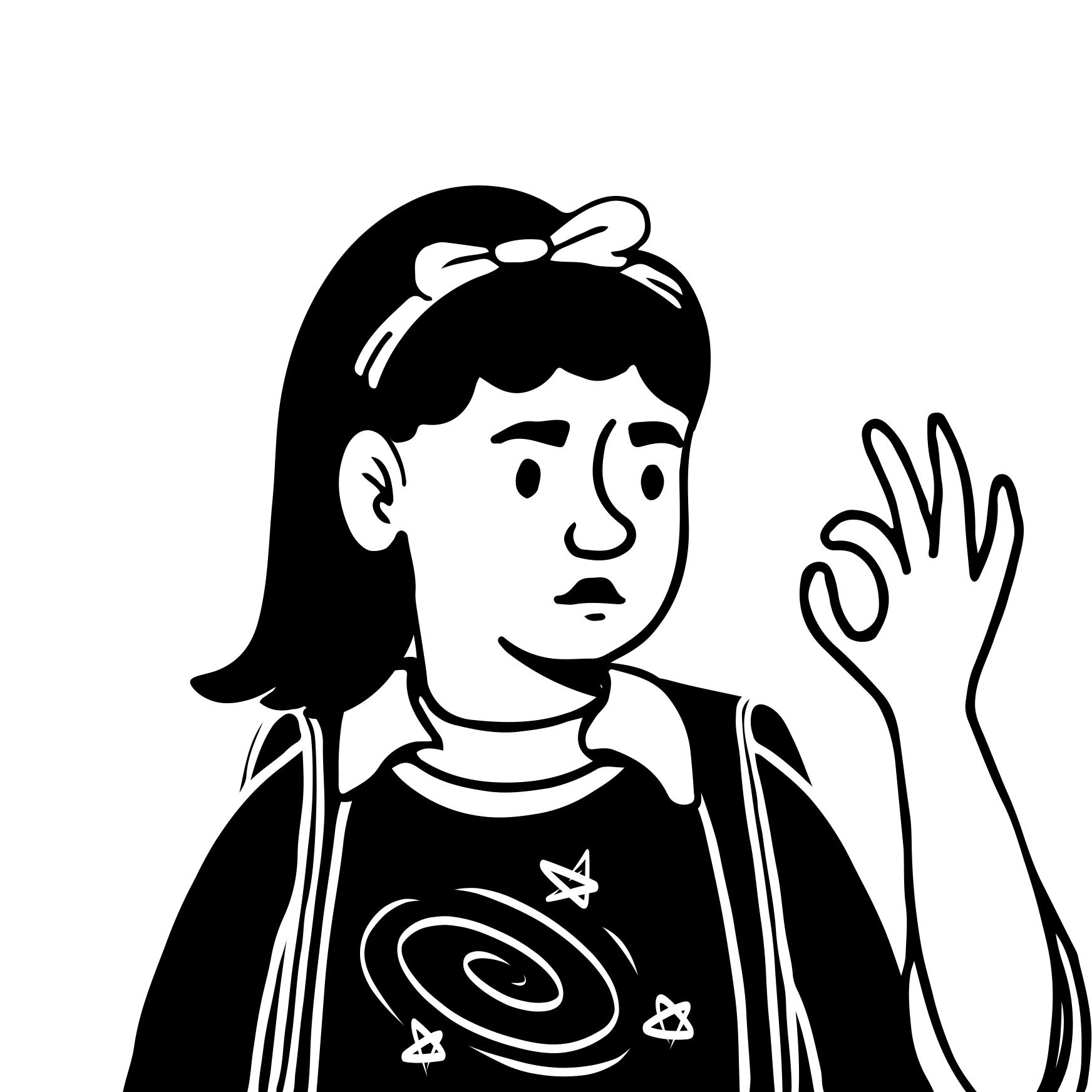
Nah. Too busy trying to keep this place from falling apart. Couldn't care less.
Meanings
Each of the four divisions of the year marked by particular weather patterns and wildlife conditions.
"Autumn is my favorite season because of the changing leaves."
A fixed period of the year when a particular activity takes place or a particular product is available.
"We are now entering the peak tourist season in Venice."
To add salt, herbs, or spices to food to enhance the flavor.
"Remember to season the steak with black pepper before grilling."
Collocations & Compounds
season ticket
A ticket that allows entry to a series of events or to a venue over a period of time.
We bought a season ticket for the entire football season.
off-season
The period of the year when a particular sport or activity is not played or is less popular.
Hotel prices are much lower during the off-season.
rainy season
A part of the year when rain falls heavily, especially in tropical and subtropical regions.
The rainy season brings relief from the heat but also causes flooding.
peak season
The period when most people travel or visit a place, resulting in higher prices and crowds.
Book your flights in advance to avoid the peak season rush.
growing season
The period of the year when the weather is suitable for plants to grow.
Farmers hope for a long and mild growing season.
Phrasal Verbs
season with
To add herbs, spices, or other seasonings to food to enhance its flavor.
Remember to season the soup with salt and pepper before serving.
Idioms & Sayings
in season
Available or at its best during a particular time of year (often used for fruits, vegetables, or fish).
Strawberries are delicious when they are in season.
out of season
Not available or at their best during a particular time of year.
Trying to buy fresh asparagus in the middle of winter means it will likely be out of season.
a change of season
A transition from one period of the year to another, often implying a shift in weather or atmosphere.
The crisp air signaled a change of season to autumn.
seasoned campaigner
Someone with a lot of experience in a particular activity or field.
As a seasoned campaigner in politics, she knew exactly how to handle the debate.
Etymology
The word 'season' comes from the Old French 'seson' or 'saison', meaning 'time' or 'season of the year'. This, in turn, derives from the Latin 'satio', meaning 'sowing time' or 'planting'. The core idea relates to the time of year when agricultural activities like sowing or reaping occur. Over time, its meaning broadened from specific agricultural periods to the broader divisions of the year (spring, summer, autumn, winter) and then further to periods suitable for certain activities (e.g., 'hunting season', 'holiday season').