Note: The translation for this entry is currently under quality review. Some content is temporarily displayed in English only.
western
In its geographic sense, the word is a neutral directional marker. It describes physical orientation without emotional weight.
When used to describe culture or politics (often capitalized as "Western"), it carries significant geopolitical and ideological weight. It typically implies a grouping of North American and European societies, often contrasted with "Eastern" or "Global South" perspectives. Depending on the context, this can be viewed as a signifier of modernity and democracy, or as a label for imperialism and cultural hegemony.
As a noun referring to the genre, it evokes a specific romanticized image of the American frontier: rugged individualism, lawlessness, and the clash between civilization and wilderness. It is more than just a setting; it represents a specific mythos of bravery and survival.
Countable when referring to the genre of cinema or literature (a Western). Uncountable when referring to the general cultural or geographic region (the West).
💬Casual Conversation
Just zoning out to some old western. Total game changer for my headspace.
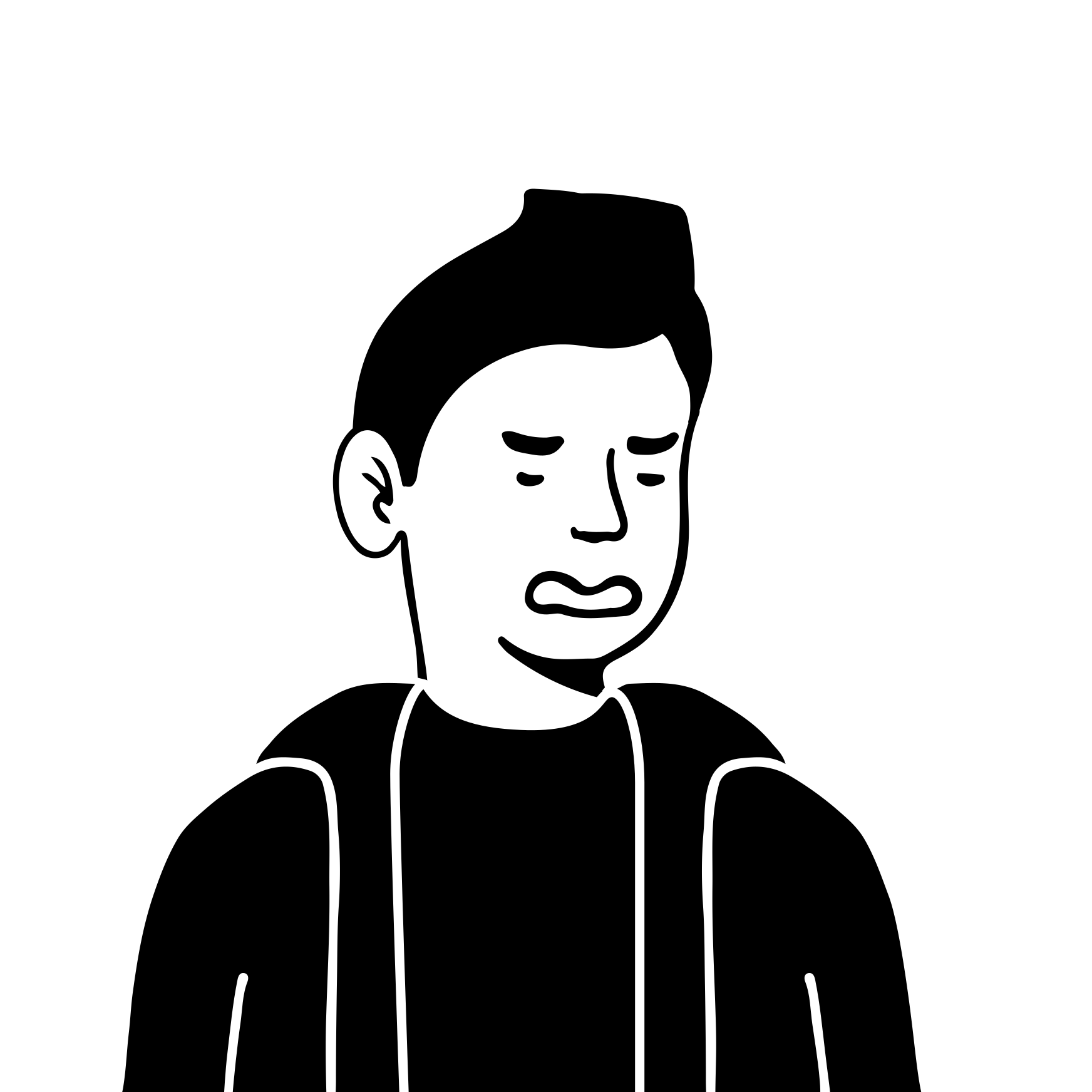
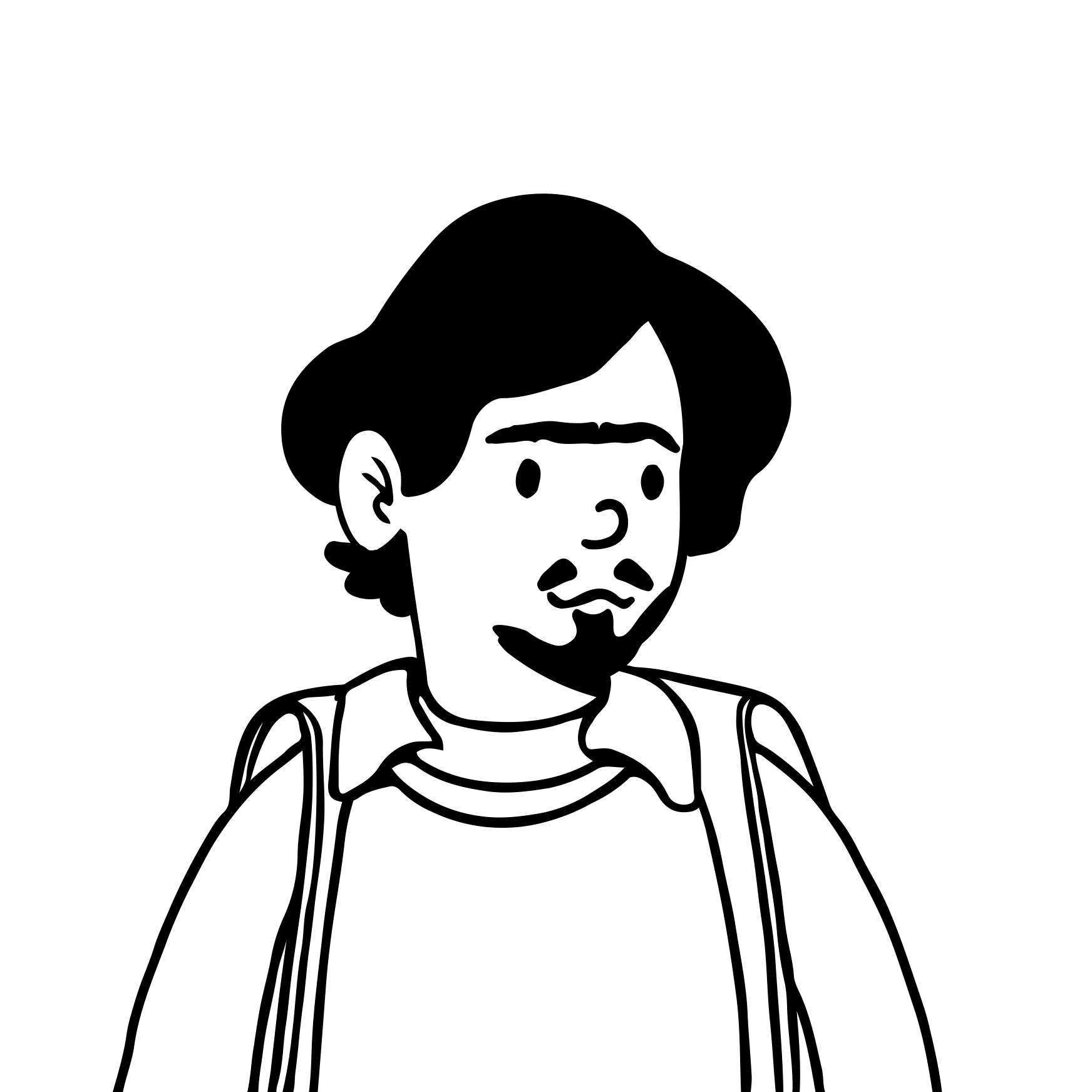
Are you kidding? We're drowning in these reports and you're watching movies.
Meanings
Examples
The western part of the city is much quieter than the center.
I wonder if western philosophy differs significantly from eastern thought.
The sun sets over the western horizon, painting the sky orange.
We need to adapt our marketing strategy for western consumers.
My grandfather always loved a good old western with a showdown at noon.
The western provinces were the first to report the storm.
He wears a cowboy hat and boots just like in a western.
Western civilization has had a profound impact on global law.
Let's head toward the western ridge to get a better view of the valley.